Philosophy
Patanjali, author of the Yoga Sutras
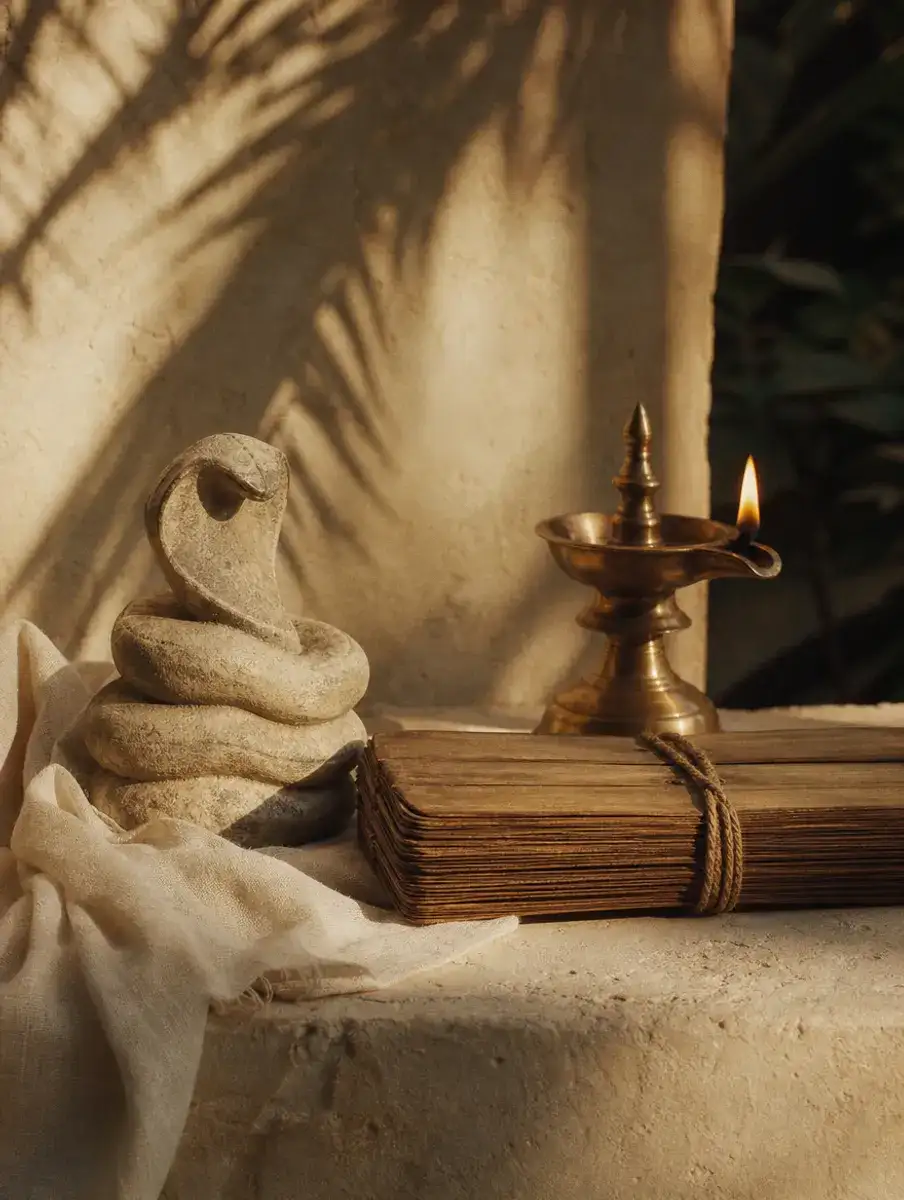
Patanjali is the name traditionally given to the compiler of the Yoga Sutras, the classical text of yoga as a path of meditation. Almost nothing about his life is known for certain. Scholars date the text to somewhere between the second century BCE and the fifth century CE, with many placing it around 400 CE.
Patanjali is the name attached to the Yoga Sutras, the short classical text that defines yoga as the stilling of the movements of the mind. He is honoured across the yoga world as its author, yet almost nothing about him can be confirmed.
This page separates what is known from what is legend.
What do scholars actually know?
Very little, and most of it comes from the text itself. The Yoga Sutras of Patanjali are a collection of about 195 short sayings in four chapters. They set out a path of meditation, including the eight limbs of yoga, from ethics and posture through breath to concentration and absorption.
The dating is uncertain. Estimates run from the second century BCE to the fifth century CE. Many scholars now favour a date around 400 CE.
The oldest surviving commentary is traditionally credited to Vyasa. Some scholars argue that the sutras and this commentary were composed together as a single work, which would make Patanjali the author of both, or make the name a label for the whole book.
What the text shows is a writer at home in Indian philosophy. The sutras borrow much of their picture of mind and matter from Samkhya, a dualist school, and they share vocabulary with Buddhist meditation texts of the same period.
Who do the legends say he was?
Later tradition gave Patanjali a much fuller life.
- Three works, one name. A traditional verse, still chanted at the start of some classes, honours Patanjali for purifying the mind through yoga, speech through grammar and the body through medicine. It merges him with Patanjali the grammarian, who wrote a great commentary on Panini’s Sanskrit grammar around the second century BCE, and with an author on medicine. Most scholars think these were different people who shared a name.
- The serpent. He is identified with Adishesha, the serpent of countless heads on which Vishnu rests. Images show him with a human torso above serpent coils, beneath a hood of cobras.
- His name. A popular story says he fell (pata) as a tiny serpent into the cupped hands (anjali) of a woman at prayer. It is a folk explanation of the name, not a historical account.
- Chidambaram. In South Indian tradition he is one of two sages who witnessed Shiva’s dance at the temple of Chidambaram, where he is still honoured.
How is Patanjali honoured in modern classes?
You may meet Patanjali before you meet the text. Iyengar classes often open with the traditional verse that praises him for yoga, grammar and medicine. The opening chant of Ashtanga yoga describes him as human in form up to the arms, holding a conch, a discus and a sword, white in colour and with a thousand heads.
His name is also used for the whole system. Classical yoga, raja yoga and Patanjala yoga all point to the path of the sutras, and the name raja yoga became the most common label in the twentieth century.
Most of what modern teachers say about the ethics of yoga comes from his second chapter. The yamas and niyamas, the first two limbs, are often the first lines of the sutras that students learn.
Why does so little matter?
For readers, the lack of a biography is not a problem. The sutras were written to be memorised and explained by a teacher, and their value rests on what they say about attention, not on who wrote them. If you want to start reading, a translation with a short commentary on each line is the easiest way in.
Browse all yoga philosophy pages.
Sources: Mayo Clinic, Fitness program: 5 steps to get started; NCCIH (US National Institutes of Health), Yoga: Effectiveness and Safety. Last reviewed 2 October 2026.
Questions
Was Patanjali a real person?
Probably someone compiled the Yoga Sutras, and the text bears the name Patanjali. Beyond that, scholars have no reliable biography. The stories told about him are legends that grew up long after the text, and they tell you more about how he was honoured than about his life.
Why is Patanjali shown as half serpent?
Tradition identifies him with Adishesha, or Ananta, the many-headed serpent on which Vishnu rests. Images and statues show him with a human upper body, a serpent's coils below and a hood of cobra heads above. It is a mark of reverence, not a historical portrait.
Did Patanjali invent yoga?
No. Meditation and ascetic practice were already old in India when the Yoga Sutras were compiled, and the text draws on ideas also found in Samkhya philosophy and in Buddhist teaching. Patanjali's contribution was to gather these into one short, ordered system.
Your yoga calendar
We track every yoga event, workshop and pop-up class so you don't have to.
Updated