Philosophy · reviewed by a teacher
Raja yoga
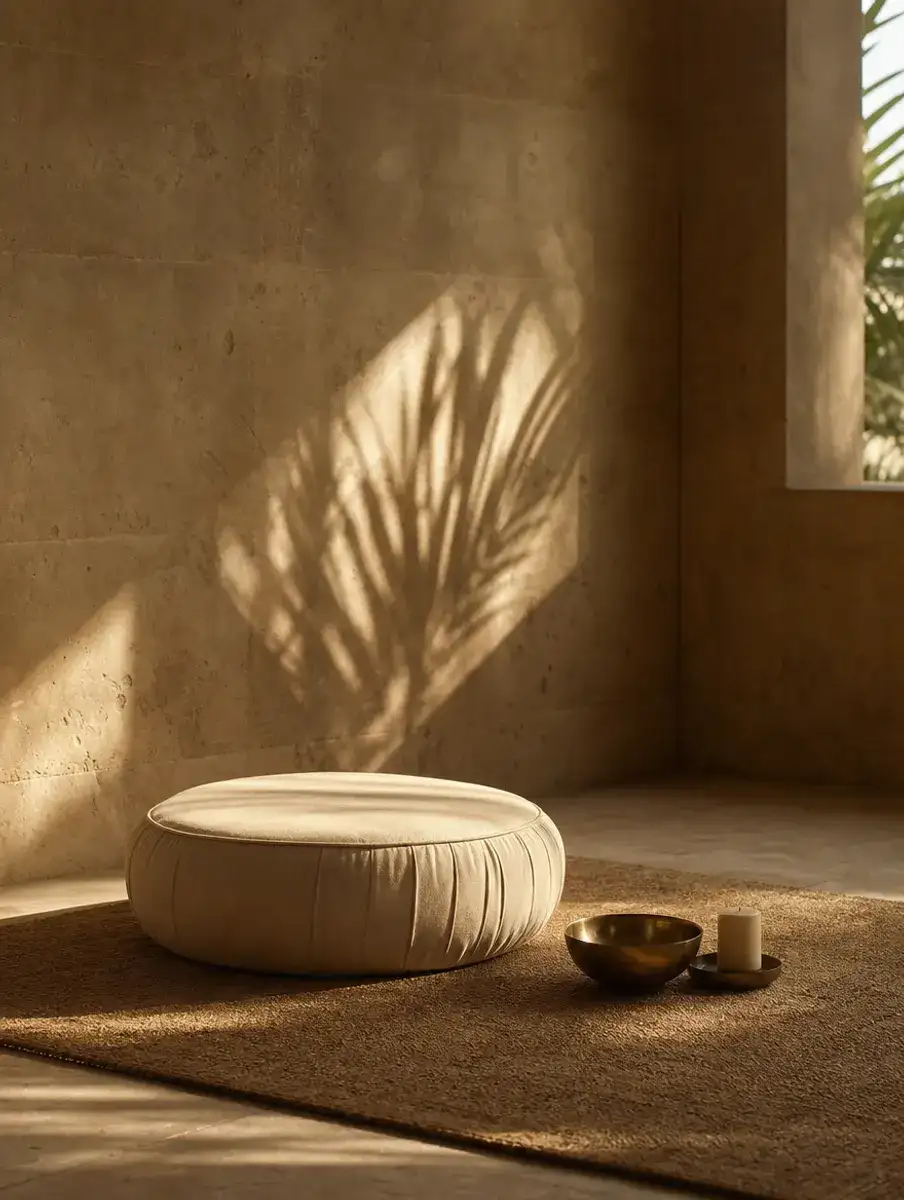
Raja yoga, often translated as royal yoga, is the path of meditation and mastery of the mind. Today the name usually refers to the system in Patanjali's Yoga Sutras, with its eight limbs leading from ethics and posture to deep concentration.
The word
Raja means king or royal in Sanskrit. Raja yoga is usually translated as royal yoga, sometimes explained as the king of yogas, or as the yoga in which the mind is brought under its own rule. It sounds grand, but its first steps, sitting comfortably and breathing evenly, are part of a beginner’s very first class.
Origin and texts
The word has had more than one meaning. In medieval hatha yoga texts such as the Hatha Yoga Pradipika, raja yoga names the goal: the state of stillness and absorption that the physical practices are meant to prepare for. Hatha, in those texts, is the ladder, and raja yoga is where it leads. The rise of kundalini to the crown chakra, sahasrara, is one of the images they use for that absorption.
In the late nineteenth century, Swami Vivekananda published a book called Raja Yoga, which presented it as a path of meditation and linked it to Patanjali’s Yoga Sutras. Since then, raja yoga and “classical yoga” have both become common names for Patanjali’s system, and raja became one of the four main paths of yoga, with bhakti, jnana and karma yoga.
The Yoga Sutras are a collection of just under two hundred short aphorisms in four chapters, attributed to Patanjali, a figure known mostly through legend. Scholars date the text to roughly the early centuries of the common era, and estimates vary. Near its opening, the text defines yoga as the stilling of the movements of the mind. When the mind is still, it says, the one who sees rests in its own nature.
The eight limbs
The Sutras lay out a practice in eight limbs, ashtanga in Sanskrit:
- Yama, restraints in how you treat others, from non-harming to brahmacharya, moderation, and aparigraha, not grasping.
- Niyama, observances in how you treat yourself.
- Asana, a seated posture that is steady and comfortable.
- Pranayama, regulation of the breath.
- Pratyahara, drawing the senses inward.
- Dharana, concentration on one point.
- Dhyana, meditation, an unbroken flow of attention.
- Samadhi, absorption.
The first two limbs are covered in more detail on the yamas and niyamas page, and the fourth, breath regulation, in the pranayama guide.
How it shows up in a modern practice
Most modern classes spend most of their time on asana, which in the Sutras is only the third limb and mostly concerns a comfortable seat for meditation. Raja yoga shows up at the edges of a class: a few minutes of breathing, a closing meditation, a cue to keep your eyes and attention inside your own mat. Meditation classes and retreats are often closer to raja yoga than posture classes are.
Raja yoga in a personal practice
A personal practice can follow the order of the eight limbs quite naturally. Postures come first so that sitting becomes comfortable, then a simple breathing practice, then a few minutes of stillness with one point of focus, such as the breath at the nostrils. For a beginner, that last part might be two or three minutes; it can lengthen as sitting becomes easier.
If you are new to yoga, that foundation can be built at your own pace. The last limb, samadhi, complete absorption, has a page of its own, and the Sanskrit yoga glossary explains the other terms above.
Browse all yoga philosophy pages.
Sources: Mayo Clinic, Fitness program: 5 steps to get started; NCCIH (US National Institutes of Health), Yoga: Effectiveness and Safety. Last reviewed 2 October 2026.
Questions
What is the difference between raja yoga and hatha yoga?
Hatha yoga works mainly through the body and breath: postures, breathing practices and cleansing techniques. Raja yoga works mainly with the mind through concentration and meditation. Medieval hatha texts describe their physical practices as a preparation for raja yoga.
Is raja yoga the same as ashtanga yoga?
In the classical sense, yes: ashtanga means eight limbs, and raja yoga is often used as another name for Patanjali's eight-limbed system. The modern flowing style called Ashtanga Vinyasa is a different thing, a sequence of postures that borrows the name.
Can beginners practise raja yoga?
Yes. The eight limbs begin with how you treat others and yourself, then posture and breath, all of which a beginner can start with. Deeper meditation builds from there over time.
Keep reading
Your yoga calendar
We track every yoga event, workshop and pop-up class so you don't have to.
Updated