Philosophy · reviewed by a teacher
Hatha yoga
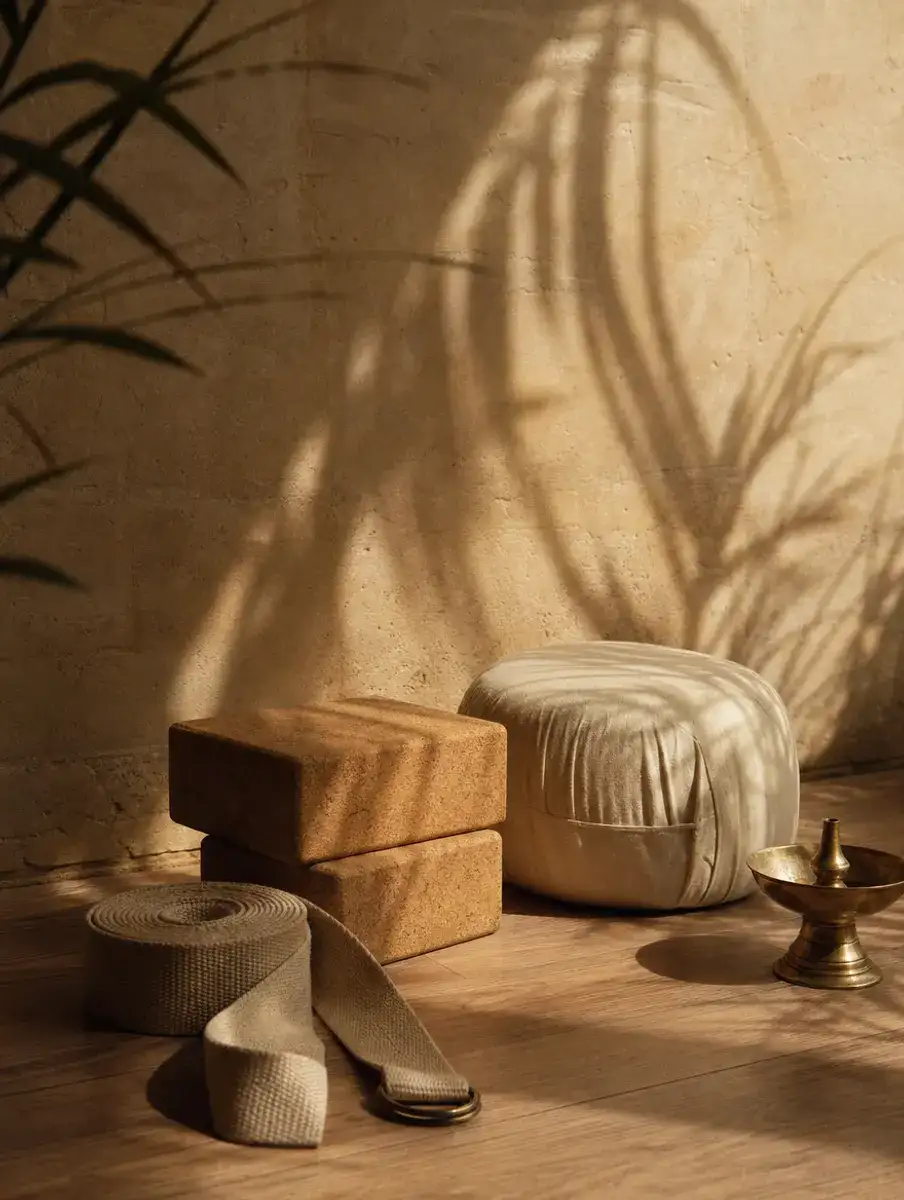
Hatha yoga is the branch of yoga that works through the body, using postures, breath control and physical techniques to prepare the mind for meditation. The Sanskrit word hatha means force or effort, and in studios today a hatha class usually means a gentle, general class that holds each pose for a few breaths.
The word
Hatha is a Sanskrit word meaning force, effort or determination.
Hatha yoga, then, is yoga done through effort: through the body and the breath, rather than through study or devotion alone. Almost every posture class today grows from it, including most starting yoga as a beginner.
You will often hear that ha means sun and tha means moon, so that hatha yoga balances two opposite qualities.
That reading appears in some later texts and is a nice image, but it is symbolism layered on top of the word. The literal meaning is force.
Where hatha yoga comes from
Hatha yoga appears in Sanskrit texts from about the eleventh century onward. Scholars working on these manuals, such as James Mallinson and Jason Birch, have traced how its techniques were gathered and handed down over several centuries in India.
The best known text is the Hatha Yoga Pradipika, written by Svatmarama in the fifteenth century.
It draws on earlier works and organises the practice into four parts: asana (posture), pranayama (breath control), mudra and bandha (seals and locks), and nada (attention to inner sound). It also lists six cleansing practices, the shatkarmas.
Its opening verses describe hatha yoga as a stairway to raja yoga, the meditative path of the Yoga Sutras. In other words, the body work was meant as preparation, not an end in itself.
Later manuals, including the Gheranda Samhita and the Shiva Samhita, expanded the list of postures and techniques.
Even so, the classical hatha texts describe far fewer standing poses than a modern class uses.
How it shows up in a modern practice
Almost all posture-based yoga taught today descends from hatha yoga. Vinyasa, Ashtanga, Iyengar, Yin and Restorative all use postures, breath and focus that trace back to these texts, adapted during the twentieth century.
Studios use the word in a narrower sense. A class labelled “Hatha” usually means a general class at a steady pace: you come into a pose, hold it for a few breaths, come out, and rest before the next one. There may be simple breathing exercises (pranayama) at the start and a quiet rest at the end.
The hatha yoga poses you will meet in class shows which of them the Pradipika describes. Two well-known fixed sequences grew from this background: the Ashtanga primary series and the heated Bikram 26 poses.
If you want to compare it with other styles, see types of yoga or the side-by-side guide to hatha vs vinyasa.
How does a hatha class compare with other styles?
Timetables use the same handful of names, and the differences are mostly about pace, how long you stay in each pose and how warm the room is.
| Style | Pace | Holds | Room | Often suits |
|---|---|---|---|---|
| Hatha | Steady, with pauses between poses | A few breaths each | Normal | Learning the basic shapes |
| Vinyasa | Flowing, one movement per breath | Short | Normal or warm | People who like to keep moving |
| Yin | Very slow, on the floor | Several minutes | Normal | Winding down, long quiet holds |
| Hot 26 | Fixed sequence | Each pose done twice | Heated | People who like routine and a hard sweat |
What happens in a typical hatha class?
Most classes follow a similar arc. They open with a few minutes of sitting or lying and settling the breath, then warm the spine and joints. Standing poses come next, then floor poses such as twists, forward bends and gentle backbends, and the class ends with a long rest in Savasana. Expect to hold each pose, come out of it, and rest briefly before the next one.
A short hatha practice for a small space
A condo bedroom or the space beside a sofa is enough for this. Hold each pose for five slow breaths unless noted.
- Sit cross-legged on a folded blanket and breathe slowly for one minute.
- Cat-Cow on hands and knees, six rounds.
- Mountain Pose, standing still and noticing the feet.
- Warrior II, each side.
- Tree Pose, each side, a hand on the wall if needed.
- Seated Forward Bend with the knees bent.
- A lying twist, each side.
- Savasana for three to five minutes.
In the warm months, practise early in the morning or with a fan on, and keep a small towel nearby for your hands.
Hatha yoga in a class
The old manuals were written for a student learning directly from a teacher, and a small class or one-to-one session keeps that shape. There is time to hold a pose long enough to feel it, to find the version that suits your body, and to add a few minutes of breathing before the final rest.
A class built this way suits people who want to learn the basic shapes properly before they move faster. The guide to your first yoga class explains what to expect.
The hatha texts build much of their breath work on prana, breath and the life it carries, and the Sanskrit yoga glossary explains the pose names you will hear.
This page is one of the sources behind the quiz that suggests a style.
Browse every philosophy guide.
Sources: Mayo Clinic, Fitness program: 5 steps to get started; NCCIH (US National Institutes of Health), Yoga: Effectiveness and Safety. Last reviewed 2 October 2026.
Questions
What does hatha mean?
Hatha is Sanskrit for force or effort, a reference to the steady physical work of the practice. A popular reading splits it into ha (sun) and tha (moon), but that is a later symbolic interpretation, not the plain meaning of the word.
Is hatha yoga good for beginners?
Usually, yes. A modern hatha class moves slowly and holds each pose long enough to learn it, which makes it a comfortable place to start.
What is the difference between hatha and vinyasa yoga?
Hatha holds poses for several breaths with pauses in between. Vinyasa links poses into a continuous flow, one movement to each breath. Both grew out of the same hatha roots.
How is hatha yoga different from other kinds of yoga?
Hatha yoga is the root of almost all posture-based yoga, so Vinyasa, Ashtanga, Iyengar and Yin all grew from it. On a studio timetable, though, a hatha class means a general class at a steady pace: you come into a pose, hold it for a few breaths, come out and rest before the next one.
Is hatha yoga easier than vinyasa?
Usually, yes. A hatha class moves at a steady pace with pauses between poses, so there is time to learn each shape and catch your breath. Vinyasa flows continuously, one movement per breath, which feels more demanding. Power, Ashtanga and heated classes tend to feel hardest of all, though any style can be made gentle or strong.
Your yoga calendar
We track every yoga event, workshop and pop-up class so you don't have to.
Updated