Philosophy · reviewed by a teacher
Types of yoga
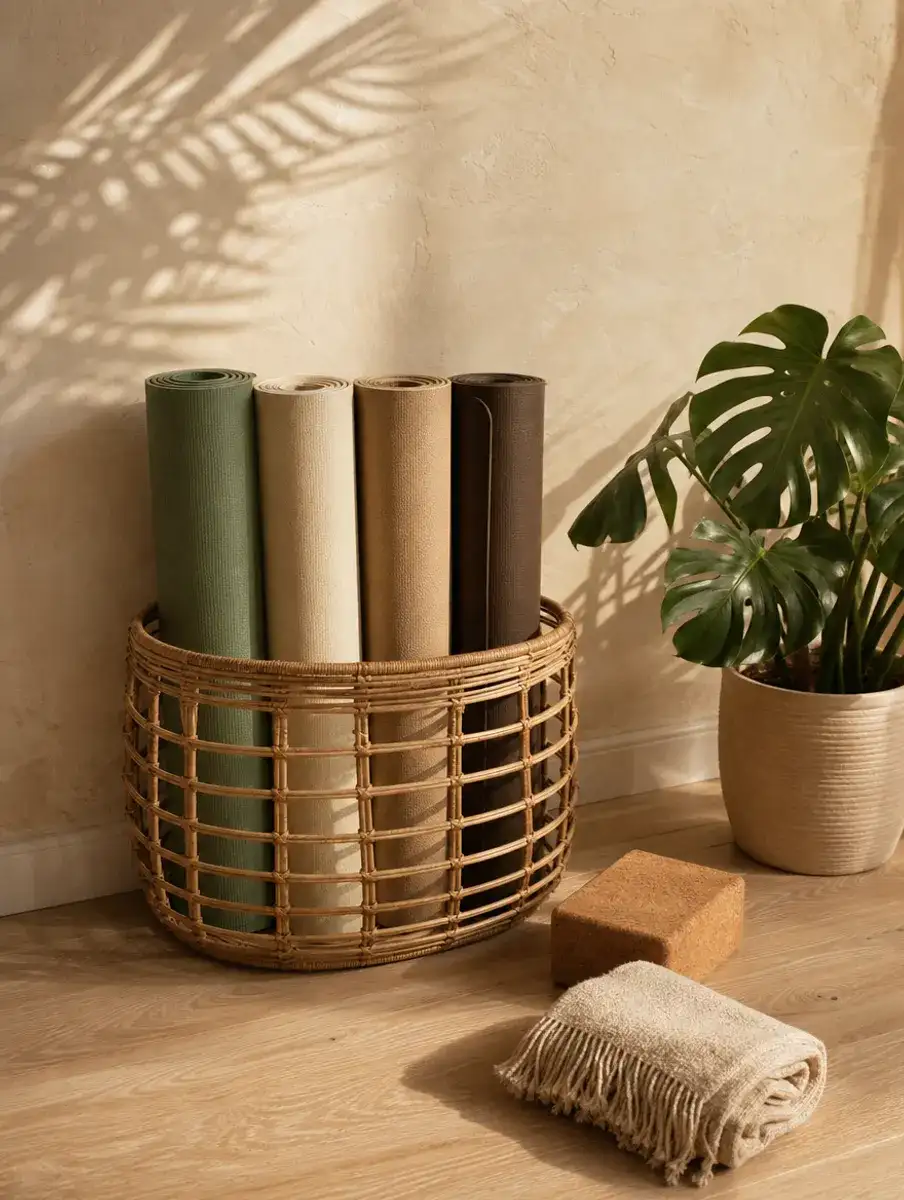
The main types of yoga practised today are Hatha, Vinyasa, Ashtanga, Iyengar, Yin, Restorative, Kundalini and hot yoga, along with prenatal and postpartum yoga for pregnancy and the months after birth. They differ mostly in pace, in how long poses are held, and in how much they rely on props, heat, breath or a set sequence.
Two ways of sorting yoga
The word “type” means two different things. The classical texts describe paths of yoga: karma yoga (action), bhakti yoga (devotion), jnana yoga (knowledge) and raja yoga (meditation). These are ways of living, set out in texts like the Bhagavad Gita and the Yoga Sutras.
When most people search for types of yoga, though, they mean class styles: what happens on the mat. Nearly all of these are forms of posture practice that grew out of medieval hatha yoga during the twentieth century. If you are new and unsure where to start, the yoga style quiz can point you toward one.
The main styles
Hatha. In a modern studio, a Hatha class is a general, moderately paced class that holds each pose for a few breaths. It is a sensible place to learn the basic shapes.
Vinyasa. Poses linked into a flowing sequence, one movement to each breath. It builds warmth and steady focus, and the sequence can change from class to class.
Ashtanga. A set series of poses practised in the same order every time, linked by breath. It is vigorous and structured, and much of modern Vinyasa grew out of it. The guide to Ashtanga and its two meanings explains both senses of the name, and ashtanga vs vinyasa compares the two classes.
Iyengar. Named after B.K.S. Iyengar, this style is known for precise alignment and for props such as blocks, straps and chairs. Poses are held longer and explained in detail. The Iyengar yoga guide goes further.
Yin. A slow floor practice with poses held for several minutes, usually with the muscles relaxed. It took shape in the United States in the late twentieth century.
Restorative. Fewer poses, each fully supported by bolsters, blankets and blocks, held for a long time so the body can rest. It grew out of the use of props in Iyengar teaching.
Kundalini. A practice of breath work, repeated movement, chanting and meditation, taught in set sets called kriyas. The Kundalini yoga page covers its history.
Hot yoga. Classes held in a heated room, often with a fixed sequence. The heat is the defining feature rather than any particular philosophy. The best-known form, Bikram yoga, repeats 26 postures and two breathing exercises in a room heated to around 40°C; other studios run heated vinyasa, a warmer cousin of the flow. If you are pregnant, have a heart condition or low blood pressure, or have had heat illness, check with your doctor first; hot yoga is generally not advised in pregnancy. Drink water and stop if you feel dizzy. The hot yoga guide compares heated styles, and for something different again, aerial yoga moves familiar poses into a fabric hammock.
Prenatal yoga. Yoga adapted for pregnancy: poses and breathing chosen for a changing body, with nothing that presses on the belly. Check with your OB or midwife before you start.
Postpartum yoga. A gradual return to movement after birth, starting with breath and gentle strength once your doctor or midwife has cleared you.
The styles side by side
| Style | Pace | Holds | Heat | Props | Often suits |
|---|---|---|---|---|---|
| Hatha | Moderate | A few breaths | No | Some | Learning the basics |
| Vinyasa | Flowing | Short | Sometimes | Few | People who like to move |
| Ashtanga | Vigorous, set order | Five breaths | No, but warm from effort | Few | Routine and discipline |
| Iyengar | Slow, precise | Long | No | Many | Alignment, careful bodies |
| Yin | Very slow | Several minutes | No | Some | Winding down |
| Restorative | Very slow | Long, fully supported | No | Many | Rest and recovery |
| Kundalini | Varies | Repeated movements | No | Few | Breath, chanting, meditation |
| Hot yoga | Varies by class | Varies | Yes | Few | A hard sweat |
The four paths compared
| Path | Works through | Main practices |
|---|---|---|
| Karma yoga | Action | Doing your duty without clinging to the result (see what karma means) |
| Bhakti yoga | Devotion | Chanting, prayer, offering |
| Jnana yoga | Knowledge | Study, reflection, self-inquiry |
| Raja yoga | Meditation | Patanjali’s eight limbs |
Fitting a style into Philippine city life
Traffic and heat shape what you will actually keep doing. A 7 am Vinyasa or hatha class near the office often survives a busy week better than an evening class across the city. If you already spend the day sweating outdoors, a cool Yin or Restorative class after work may feel better than a heated one. For a condo-sized home practice, Hatha and Yin need only the length of a mat.
How to choose
Think about what you want the practice to do. If you want to move and build heat, Vinyasa or Ashtanga suit. If you want to slow down, Yin and Restorative suit. If you want to practise with someone else, look at partner and acro yoga, and for a playful group practice without poses, laughter yoga. If you are new, a slower style with plenty of explanation is kinder than a fast class where you spend the hour watching the person in front of you. Most people practise more than one style over time, and some go on to become yoga teachers in the style they love most.
Mixing styles
You do not have to pick one style from a timetable and stay with it. A home practice or a one-to-one lesson can start as Vinyasa and finish with a long Restorative rest, or mix a few Yin shapes into a slow flow, depending on how you feel that day.
When you are ready to try a class, the studio directory lists places to practise across the Philippines, and many studios open their doors for free sessions around International Yoga Day.
If you are deciding between a yoga class and a mat pilates class, read how pilates and yoga differ.
This page feeds the yoga style quiz.
Browse all yoga philosophy pages.
Sources: Mayo Clinic, Fitness program: 5 steps to get started; NCCIH (US National Institutes of Health), Yoga: Effectiveness and Safety. Last reviewed 2 October 2026.
Questions
Which type of yoga is best for beginners?
A slower style with clear instruction: Hatha, a gentle Vinyasa, Restorative or Yin. What matters more than the name is a teacher who explains each pose and adapts it to you.
Can you practise more than one type of yoga?
Yes. Many people mix a moving style such as Vinyasa with a slower one such as Yin or Restorative across the same week, choosing by how they feel on the day. The names matter less than finding a balance of effort and rest that suits you.
Is hot yoga the same as Bikram yoga?
No. Bikram is one fixed sequence taught in a heated room. Hot yoga is the wider name for any class in a heated room, whatever its sequence.
What is the most relaxing type of yoga?
Restorative yoga, where props support the body so you can rest in each shape for several minutes. Yin is also slow and quiet, though its long holds ask for a little more effort.
Which type of yoga is best before work?
A short Vinyasa, Hatha or Sun Salutation practice suits many people in the morning, because it warms the body without leaving you drained. Save long Yin holds or heated classes for days when you have time to recover before the commute.
Keep reading
Your yoga calendar
We track every yoga event, workshop and pop-up class so you don't have to.
Updated