Guides · reviewed by a teacher
Pilates or yoga: how they differ and how to choose
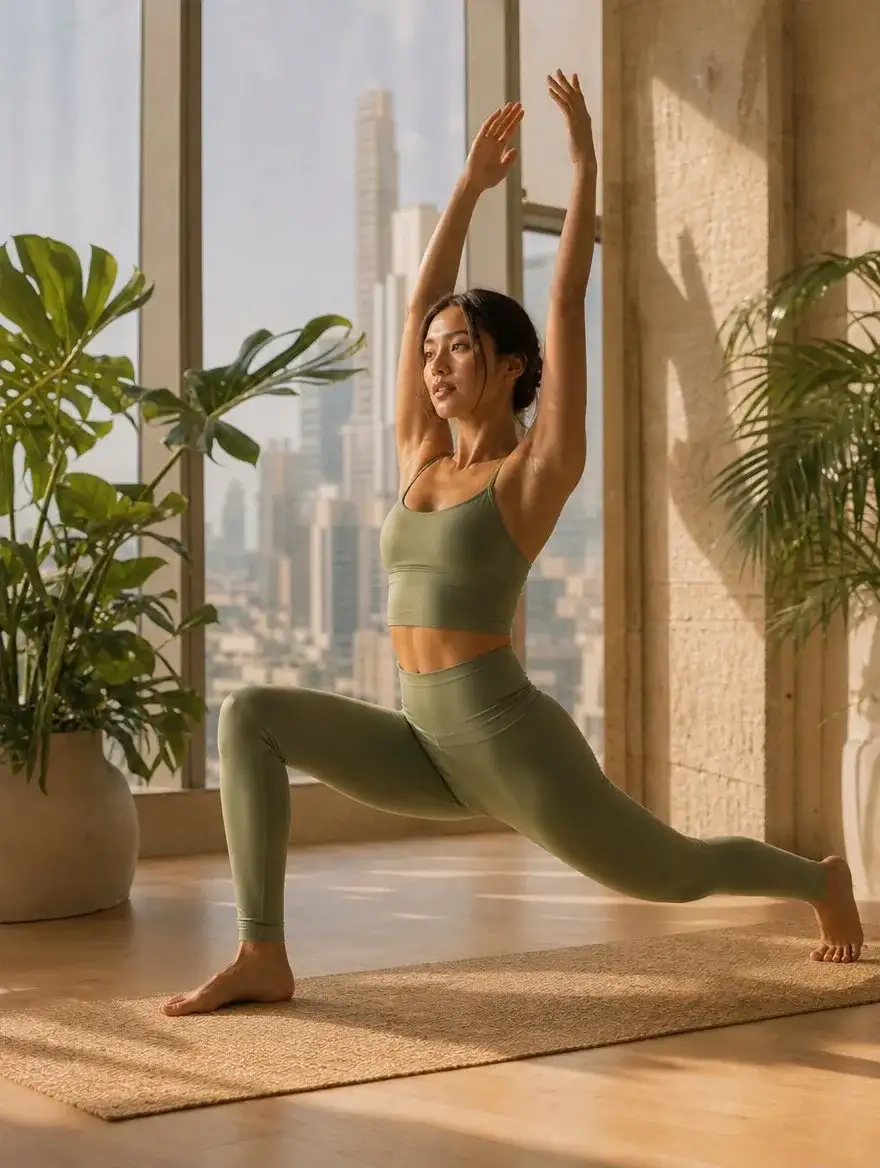
Pilates is a system of controlled exercises that concentrates on core strength, posture and precise movement, done on a mat or on machines such as the reformer. Yoga is a broader practice of postures, breathing and stillness, which works on strength and flexibility together and usually closes with a period of rest.
Teacher's note from Joahnna Lee
“I teach yoga, not Pilates.”
People often ask whether they should do yoga or Pilates, as if one had to be the right answer. Both are good. They come from different places, feel different in a class, and suit different moods and aims.
Here is how they compare, fairly, so you can choose. This is a yoga site, so the practical links below point to yoga; for Pilates, a qualified Pilates teacher or studio is the right place to go.
Where each comes from
Yoga is a long-standing practice from India. Its classical texts describe it as a whole way of working with the mind, of which the physical postures are one part. Modern classes usually combine postures, breathing and a period of rest or quiet.
Pilates was developed in the twentieth century by Joseph Pilates as a method of controlled exercise. He originally called it Contrology. It was designed around core strength, alignment and precise, deliberate movement, and it is taught on a mat or on purpose-built equipment such as the reformer.
How a class feels
A yoga class moves through standing, balancing, seated and lying postures. Depending on the style, it might flow continuously with the breath, like Vinyasa, or hold a few floor shapes for minutes at a time, like Yin. Most classes end lying still.
A Pilates class is a series of exercises, often done in sets of repetitions, with close attention to the deep abdominal muscles, the pelvis and the spine. On a reformer, springs add resistance or support. The feeling tends to be focused and muscular, especially through the middle of the body.
The main differences
Focus. Pilates concentrates on the core and on controlled movement. Yoga spreads its attention across strength, flexibility, balance and breath.
Movement. Pilates often uses repetitions of an exercise. Yoga more often holds a posture or moves through a sequence.
Breath. Both use it deliberately. Pilates tends to time breath to effort. In yoga, the breath often sets the pace and sometimes becomes the practice itself.
Equipment. Mat Pilates needs very little, and reformer Pilates needs a machine. Yoga needs a mat, with blocks and straps and bolsters as helpful props.
Stillness. Yoga usually includes rest and quiet as part of the practice. Pilates classes are usually active from start to finish.
Pilates vs yoga at a glance
| Yoga | Pilates | |
|---|---|---|
| Origin | India, with classical texts and a long history | Twentieth century, Joseph Pilates |
| Main focus | Strength, flexibility, balance and breath together | Core strength, control and precise movement |
| Typical format | Poses held or linked with the breath | Exercises in sets of repetitions |
| Equipment | Mat, plus blocks, straps and bolsters | Mat, or machines such as the reformer |
| Rest and stillness | Usually part of every class | Rarely a set part of class |
| Common types | Hatha, Vinyasa, Yin, Restorative, Ashtanga | Mat, reformer, classical, clinical |
Which suits which goal?
- Flexibility: yoga, especially slower held styles, spends more time at the end of the range.
- Core strength: Pilates is built around it, though strong yoga styles work the core too.
- Back comfort after desk days: both can help you move and notice posture; check with a physio if you have ongoing pain.
- Stress and slowing down: yoga, with its breath work and final rest.
- A clear sense of progress: Pilates, where the same exercise gets harder in measurable steps.
How long until you notice a difference?
With either practice two or three times a week, most beginners feel more familiar with the movements within a few weeks. Changes in strength or flexibility that you can measure usually take a couple of months of regular classes. The one you enjoy enough to keep going to will give the better result.
A sample week with both
If you want to try both, a simple pattern keeps them from competing:
- Monday: a Pilates class for core and control.
- Wednesday: a flowing yoga class.
- Saturday: a slow or Yin yoga class to stretch and rest.
Leave at least one day between harder sessions. If your weekday commute leaves little time, one class of each on the weekend still works.
What they share
Both are low-impact. Both reward attention to alignment. Both can be adapted for beginners, and both are practised by people of every age and fitness level. Many people find the two sit comfortably side by side in the same week.
How to choose
Choose Pilates if you are drawn to structured exercises, a strong focus on the core, and a clear sense of working your muscles.
Choose yoga if you would like strength and flexibility together, enjoy variety in the shapes, and want part of the practice to be about slowing down and breathing.
If you are unsure, try a beginner class of each and notice how you feel an hour later. That tends to settle it quickly. If your other option is a simple stretch routine or the gym, yoga vs stretching compares those too.
A few questions that help you decide
What do you want to feel at the end of an hour: worked through the middle of the body, or loosened and quiet? The first points towards Pilates, the second towards yoga.
Do you enjoy repeating an exercise and seeing clear progress in it? Pilates tends to give you that. Do you prefer variety, with standing shapes, balances and floor work in one practice? That is closer to yoga.
How do you spend most of your day? If you sit for long hours, both will help you notice how you hold your spine. Yoga adds time for the breath and for rest, which many people at a desk miss the most.
When to see a professional
If you are recovering from an injury or surgery, have ongoing back or joint pain, or are pregnant or have recently given birth, check with your doctor first, and ask a physiotherapist which kinds of movement suit you right now. Whichever practice you choose, tell your teacher before the first class.
If you choose yoga
Start with the beginner’s guide to yoga for the basics, and your first yoga class for what to expect on the day. If you are deciding between styles of yoga, hatha vs vinyasa compares held and flowing classes, and Yin vs Vinyasa yoga compares a still practice with a flowing one. When you are ready, find a yoga studio near you. To sample several studios on one plan, see how ClassPass works in the Philippines.
Should you do yoga or Pilates first?
Either is fine to start; pick the one that matches your main goal. Choose Pilates first if you want core strength and posture work with clear repetitions. Choose yoga first if you want flexibility, stress relief and a slower pace. You can always add the other later.
| Your goal | Start with | Why |
|---|---|---|
| Posture | Either | Pilates drills the core and upper back with repetitions; yoga holds standing poses and back-strengthening shapes. Both cue posture throughout. |
| Back strength | Pilates, then yoga | Mat Pilates builds the deep core with small, controlled moves. Add yoga for hip and hamstring mobility once the basics feel steady. |
| Stress | Yoga | Slow breathing and the final rest are built into most yoga classes; Pilates is more of a workout. |
| Flexibility | Yoga | Poses are held longer and stretch more of the body. |
| A full workout | Either | Reformer Pilates and vinyasa or power yoga both raise the heart rate. |
Is yoga or Pilates better for back pain from desk work?
Neither is a treatment, and the right choice depends on what is causing the pain, so check with your OB, doctor or physio first. Many people with stiffness from sitting find gentle movement in either class feels good, with Pilates for core control and yoga for hips and hamstrings. Stop anything that hurts.
See a doctor before you practise if the pain is severe, follows a fall or injury, or comes with numbness, tingling or weakness in the legs. If your physio clears you, start with a beginner class and tell the teacher about your back. For a short routine to use at your desk, see the 5-minute desk reset on joahnnalee.com.
Sources: Mayo Clinic, Fitness program: 5 steps to get started; NCCIH (US National Institutes of Health), Yoga: Effectiveness and Safety; NHS, Back pain; Cochrane, Yoga for chronic non-specific low back pain. Last reviewed 2 October 2026.
Can you do yoga, aerial and Pilates in one studio?
At one studio we list, going by what studios publish. 4 of the 89 Metro Manila studios we list publish both yoga and Pilates classes as of October 2026, and one also publishes aerial classes: Sola Gratia Yoga & Pilates. One studio for all three saves on separate packages.
Studios that publish both yoga and Pilates: Alora Club Pilates + Cafe, Breathe Yoga & Pilates, Ginhawa Yoga and Pilates Studio and Sola Gratia Yoga & Pilates. Check whether a class pack covers both, since some studios sell them separately. The aerial yoga studios in Manila page lists every aerial studio.
This page feeds the calorie estimator.
Browse every practical guide.
Sources: Mayo Clinic, Fitness program: 5 steps to get started; NCCIH (US National Institutes of Health), Yoga: Effectiveness and Safety; NHS, Exercise in pregnancy; CDC, Pregnant & Postpartum Activity: An Overview; Canadian Family Physician (Chan et al., 2014), via PubMed Central, Hot yoga and pregnancy: Fitness and hyperthermia. Last reviewed 2 October 2026.
Questions
Is yoga or Pilates better for beginners?
Both are welcoming to beginners. A slow yoga class and a beginner mat Pilates class are both gentle places to start. Choose the one whose feel appeals to you, because the practice you enjoy is the one you keep doing.
Can I do yoga and Pilates in the same week?
Yes, and many people do. The two sit well together: Pilates works a lot on core control and precise movement, and yoga adds range, balance and time to slow down. Leave a gap if both leave you tired.
Which is better for flexibility, yoga or Pilates?
Yoga usually spends more time holding stretches, so it is the more common choice if flexibility is your main aim. Pilates does work through a range of movement too, with more emphasis on control than on holding.
Do I need equipment for yoga or Pilates?
Very little for either, to begin. Mat Pilates and yoga both need only a mat and space to lie down, with blocks, straps and bolsters as helpful extras for yoga. Reformer Pilates is different, because it is done on a machine with springs, so it usually means going to a studio.
Which is harder, yoga or Pilates?
Neither is harder overall, because it depends on the class. Pilates often feels more intense through the middle of the body, with sets of controlled repetitions. A power or Ashtanga yoga class can be very demanding, while a slow hatha or Yin class is gentler. Beginner classes of both are designed to be manageable.
Do you get more toned from yoga or Pilates?
Both build strength, in different ways. Pilates concentrates on the deep abdominal muscles and controlled repetitions, so many people feel it most through the core. Yoga spreads the work across the legs, arms, shoulders and trunk while also asking for flexibility and balance. How toned you look also depends on food, sleep and how regularly you practise.
Keep reading
Your yoga calendar
We track every yoga event, workshop and pop-up class so you don't have to.
Updated