Pose collection · 16 poses
Hatha yoga poses, in the classroom and in the old texts
Hatha yoga poses are the held postures of a hatha class: standing shapes like Mountain, Triangle and Warrior, Downward Dog, backbends like Cobra and Bow, seated poses like Seated Forward Bend, Hero and Lotus, and Savasana. Several, including Lotus, Hero, Cow Face and Bow, are described in the fifteenth century Hatha Yoga Pradipika.
Beginner
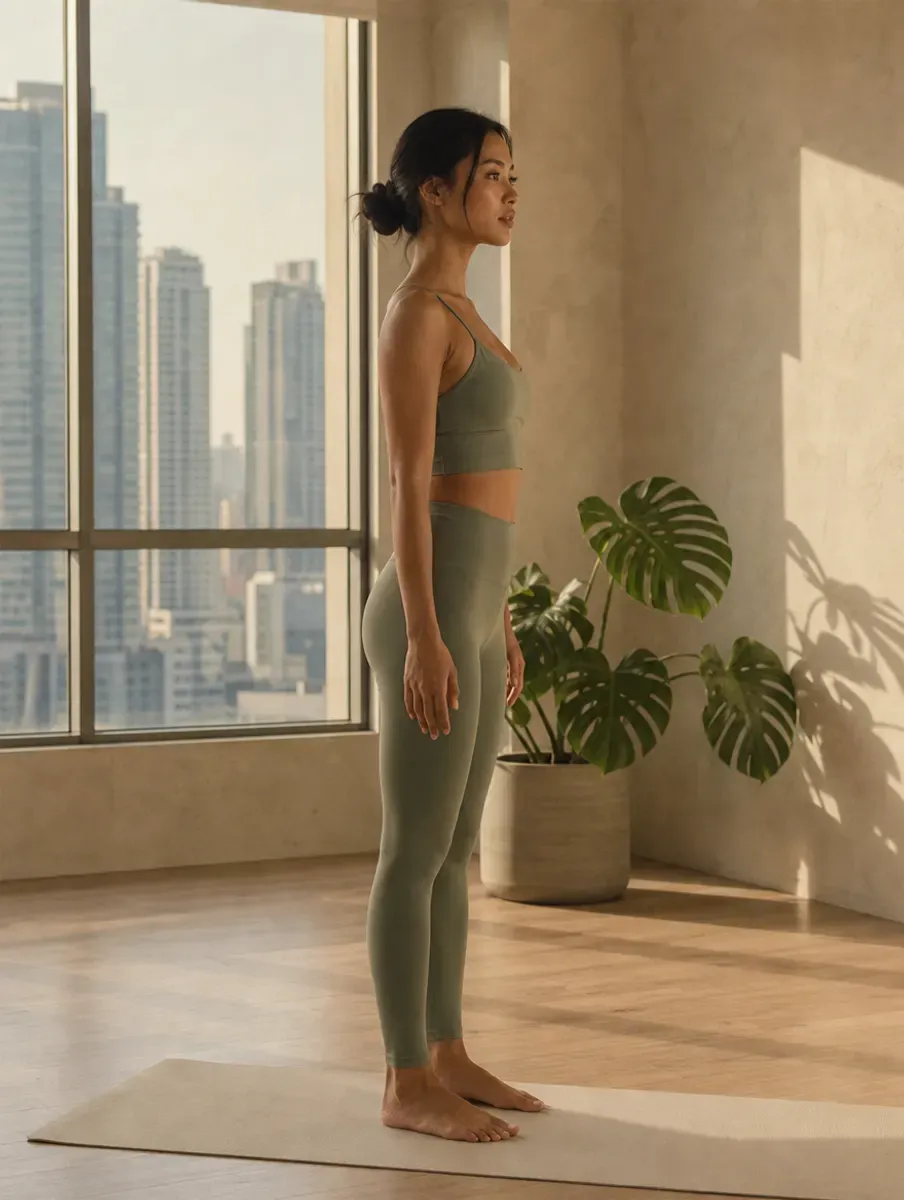
Mountain Pose
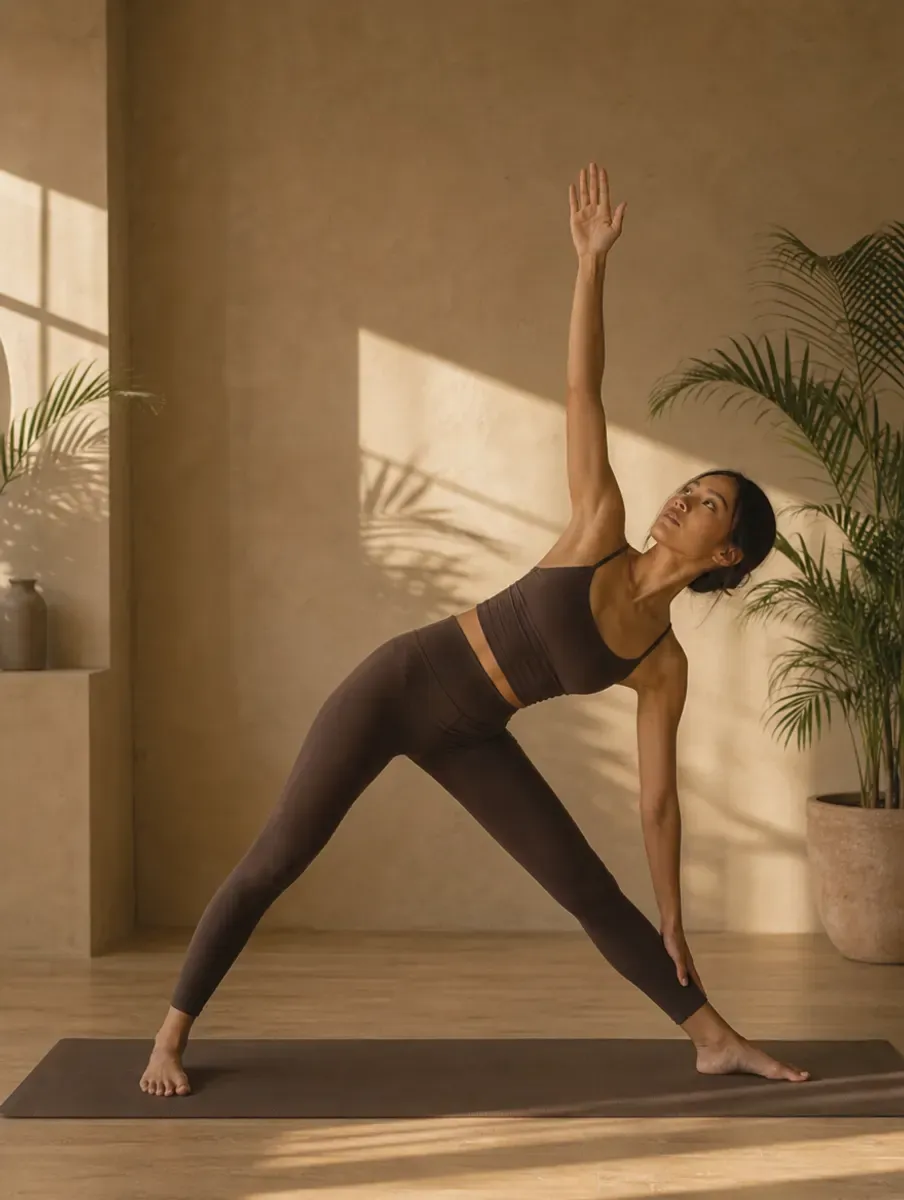
Triangle Pose
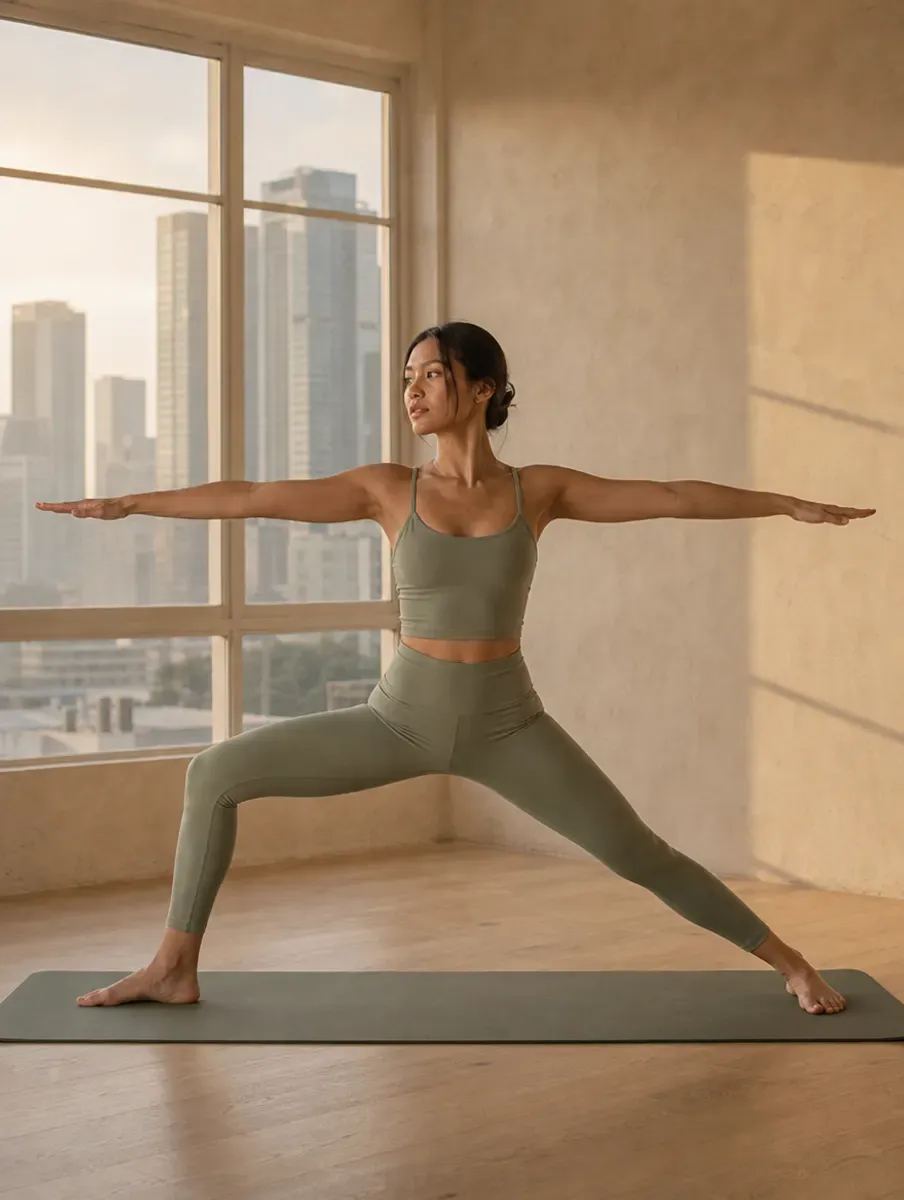
Warrior Poses
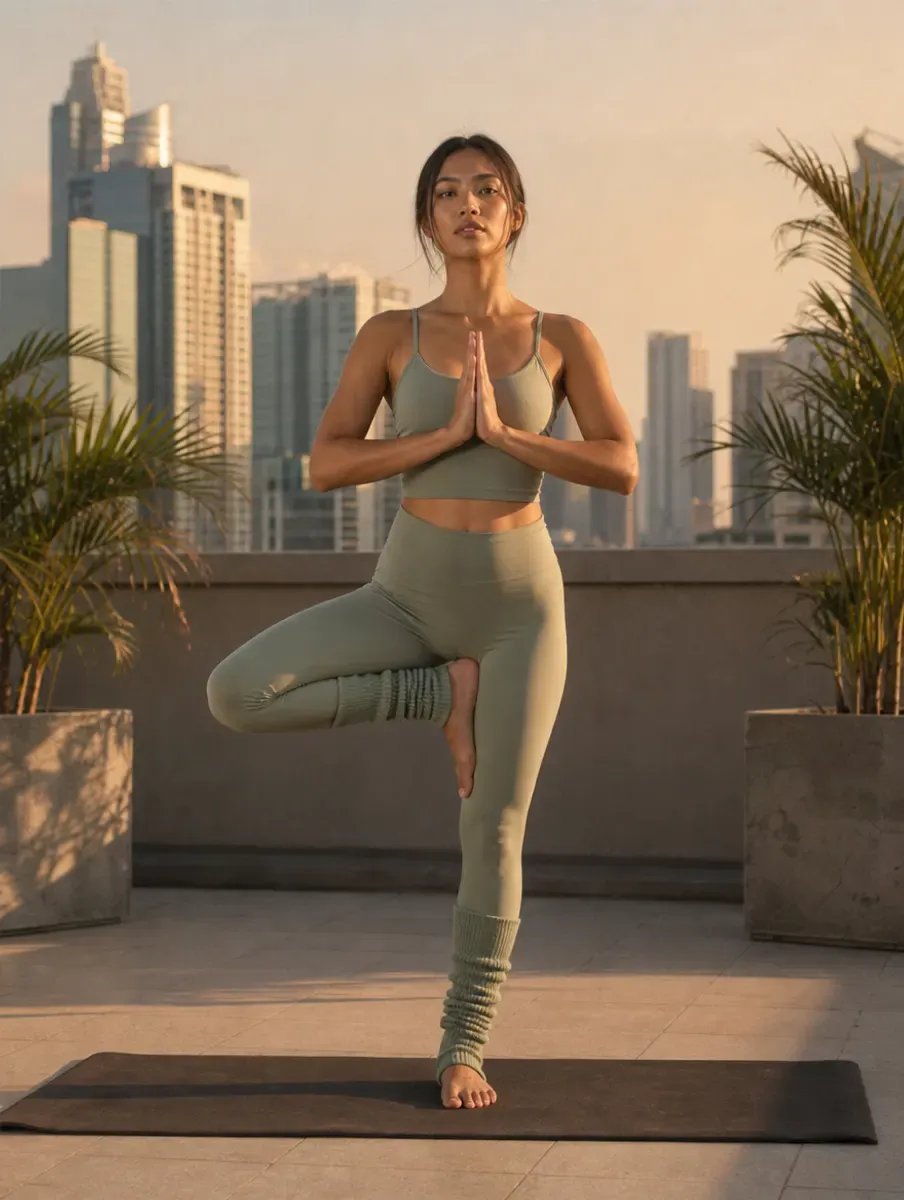
Tree Pose
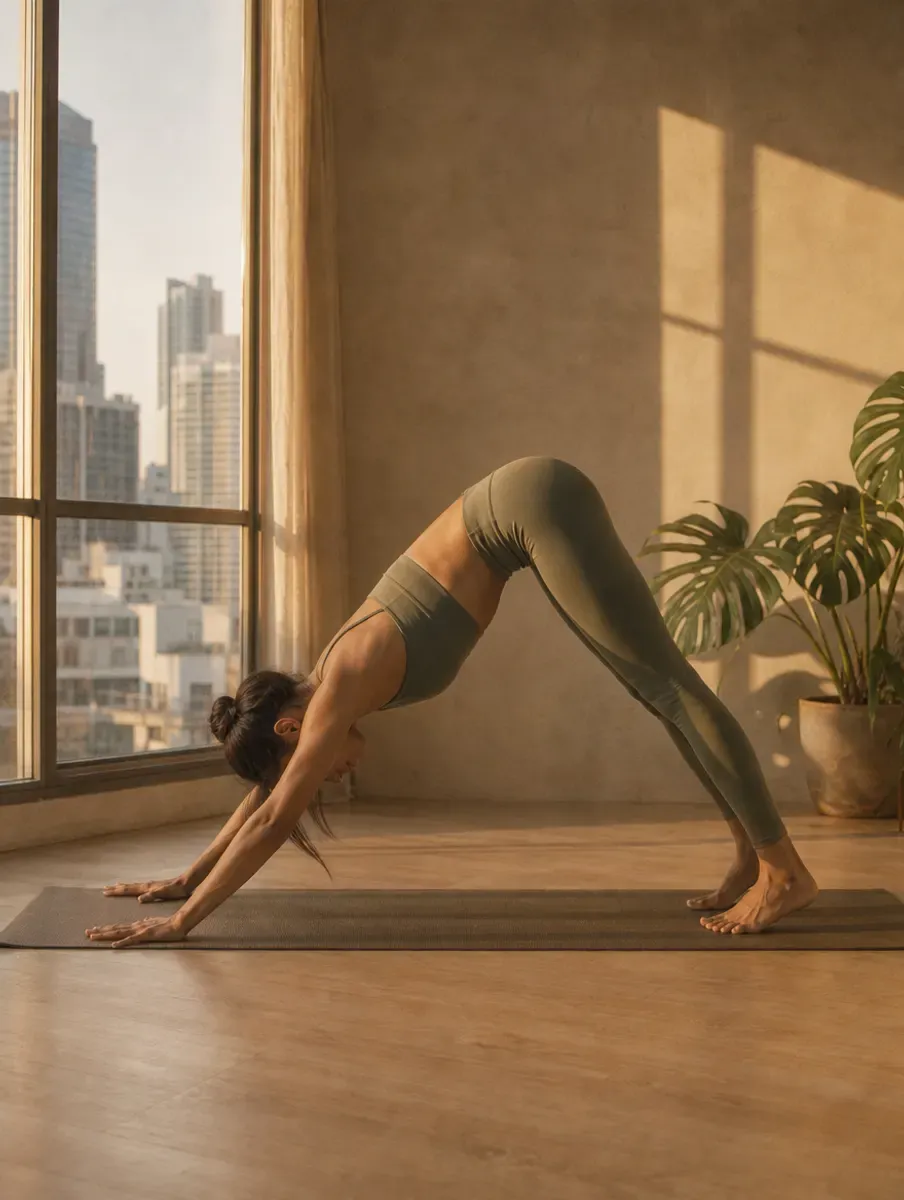
Downward-Facing Dog
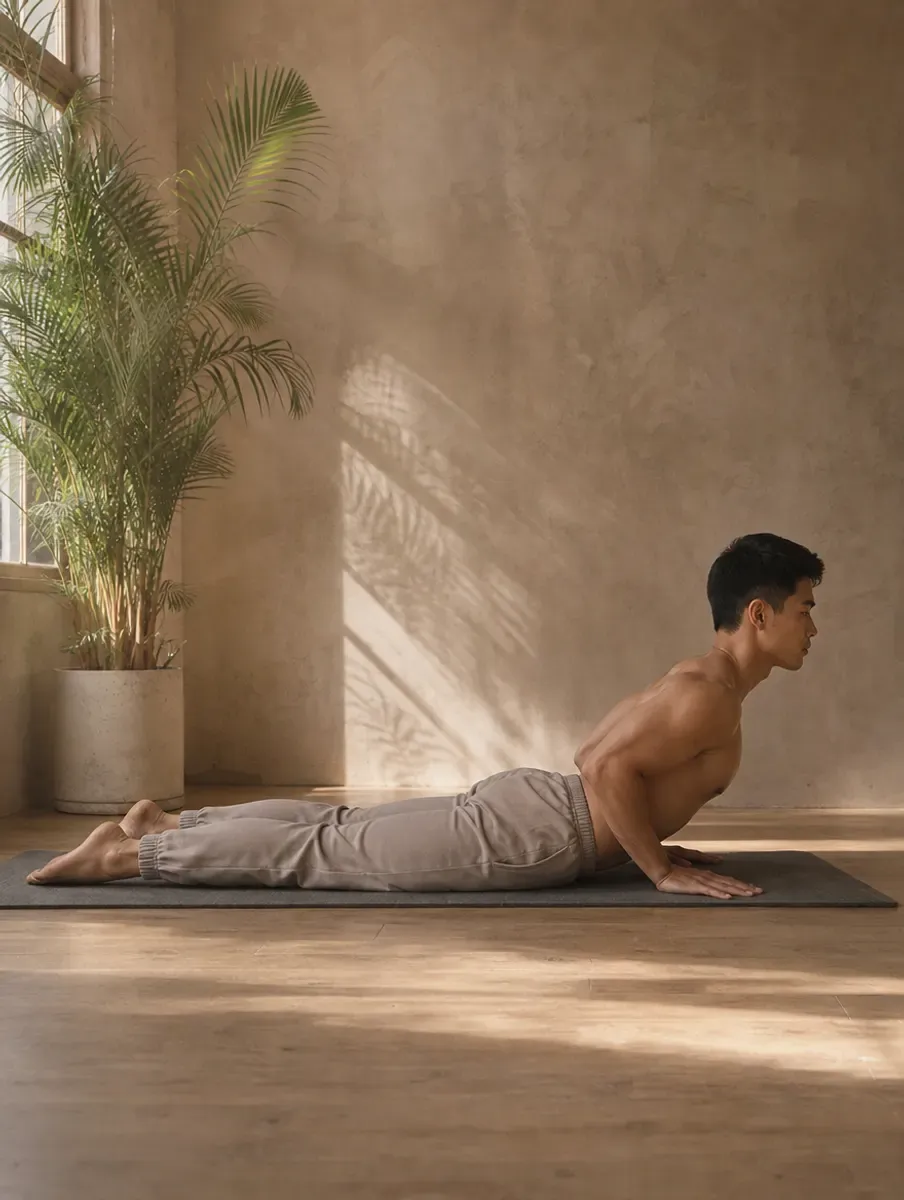
Cobra Pose
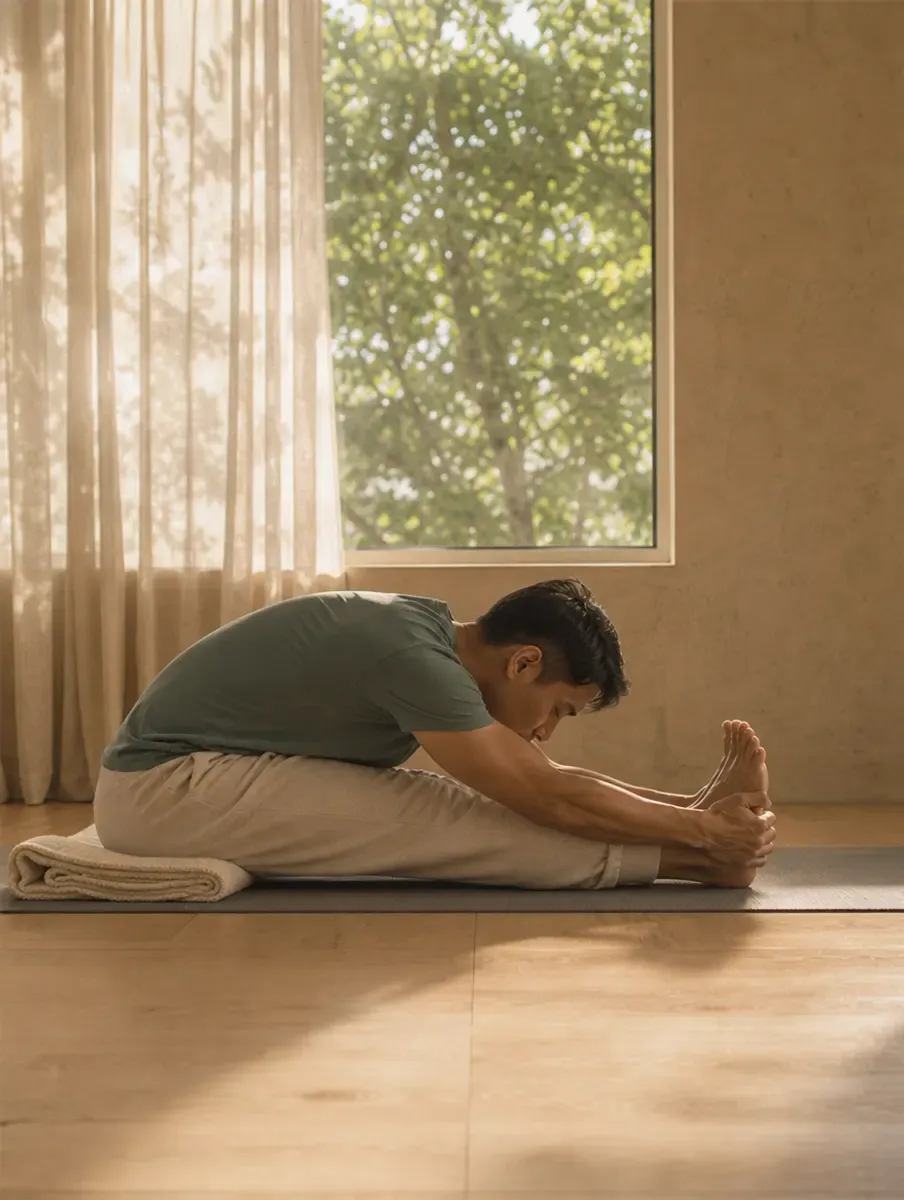
Seated Forward Bend
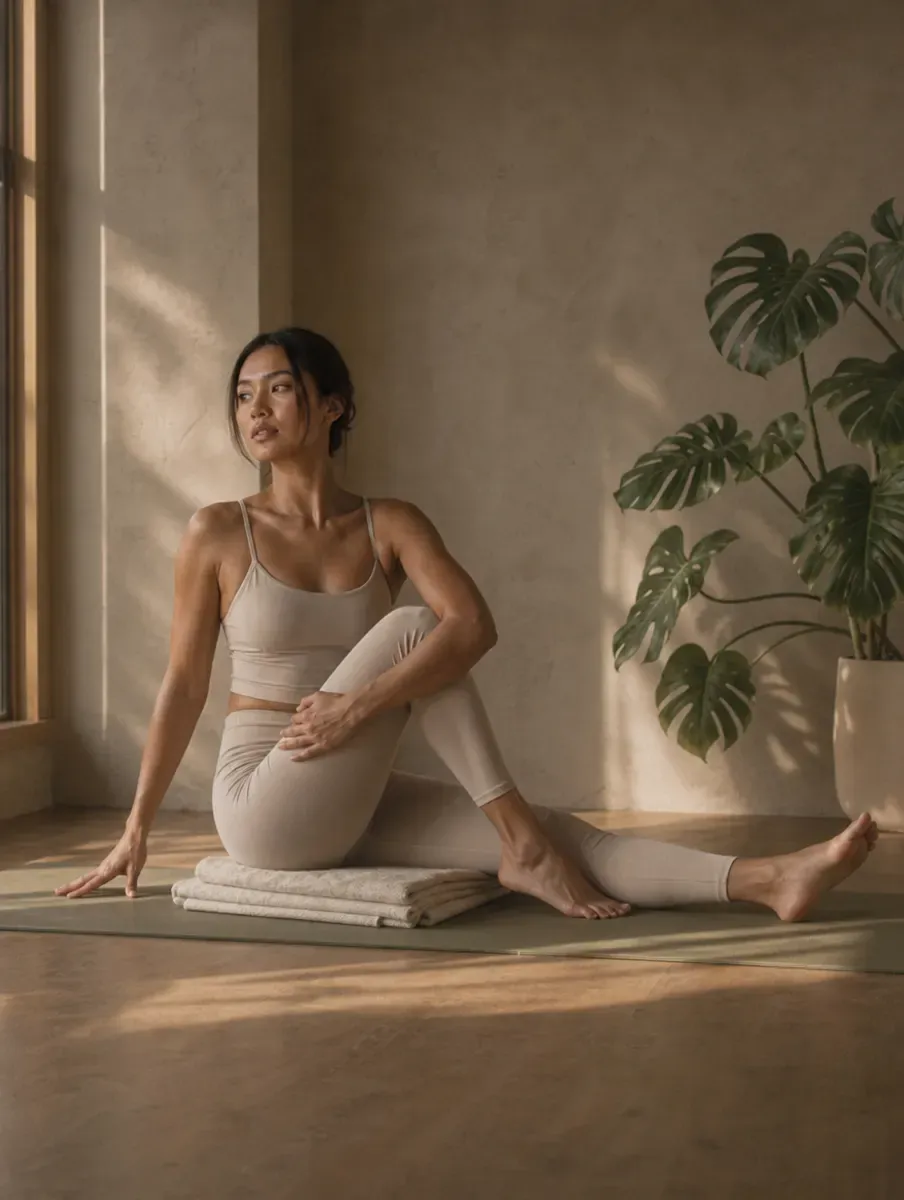
Seated Twist
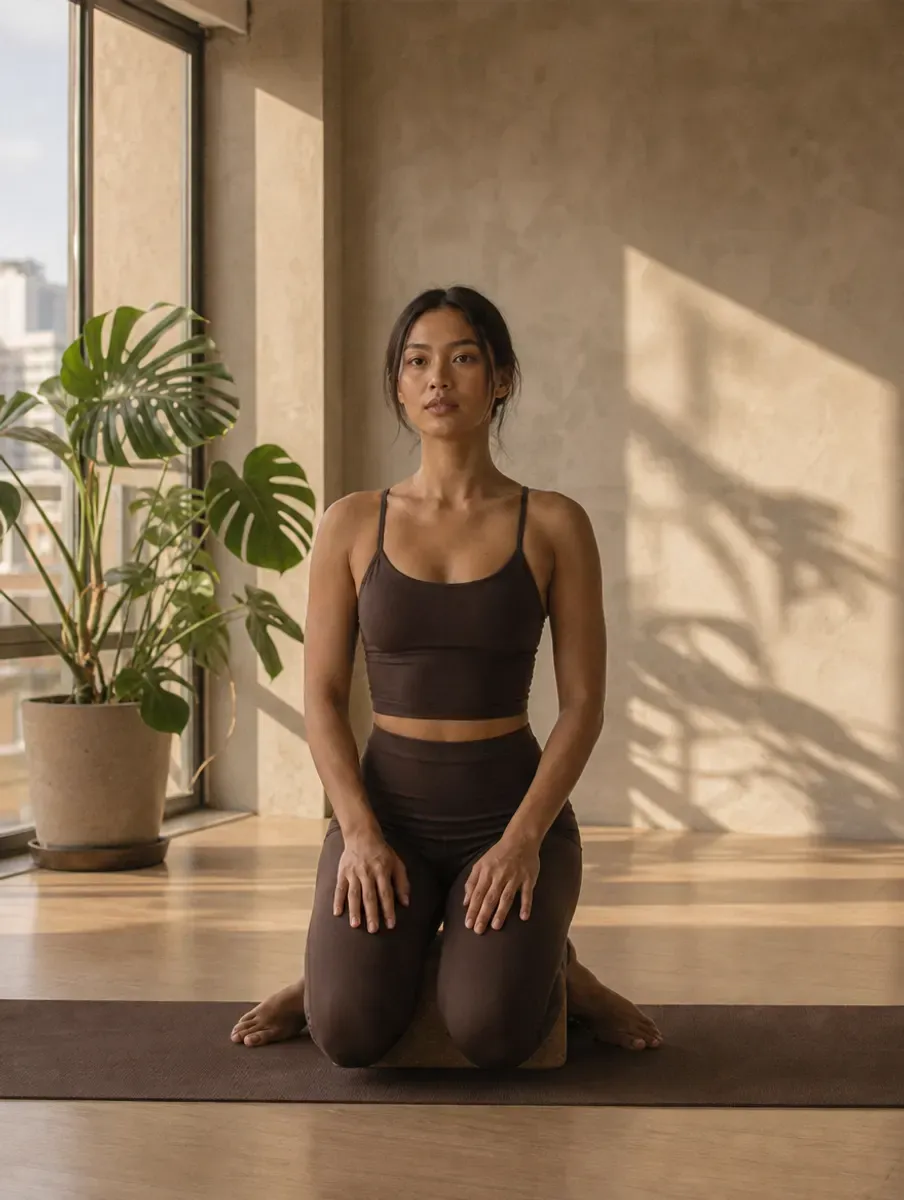
Hero Pose

Lion Pose
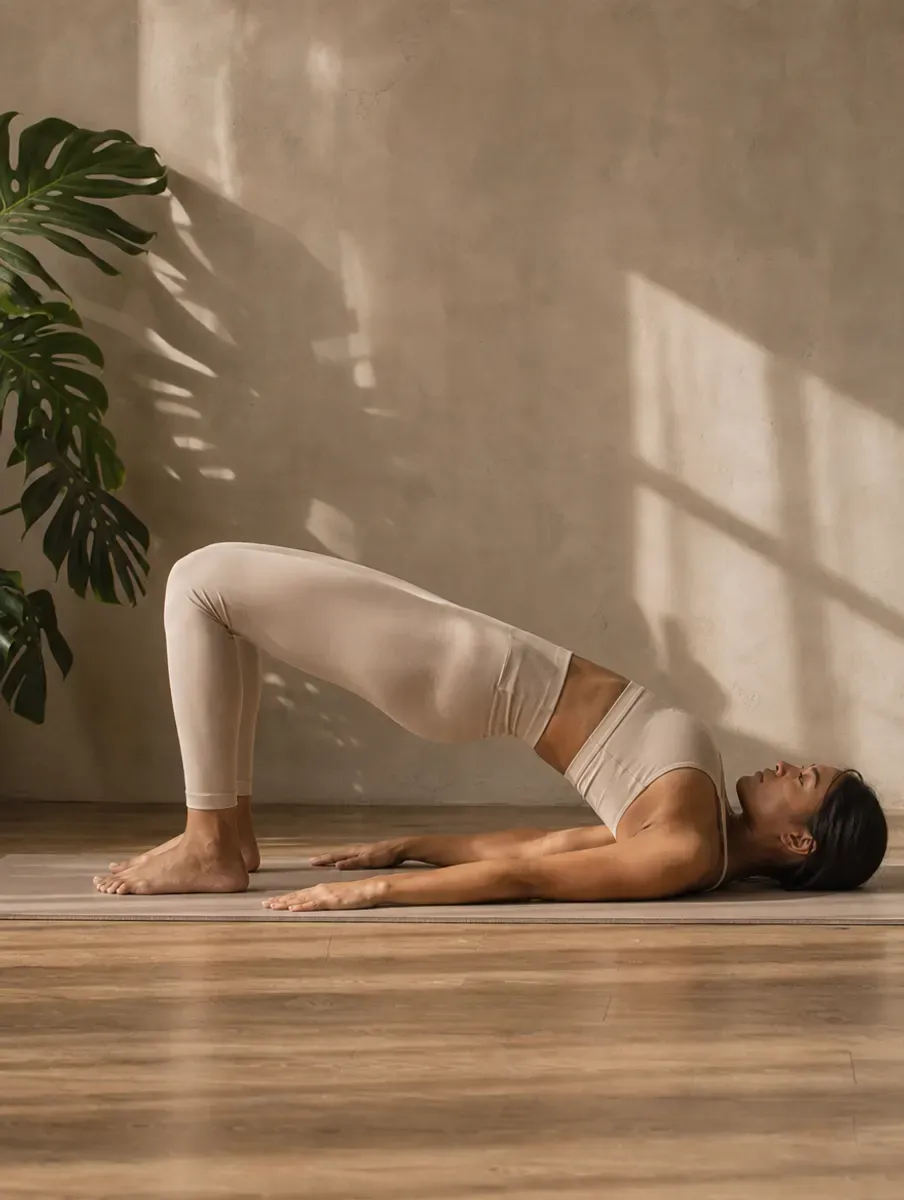
Bridge Pose
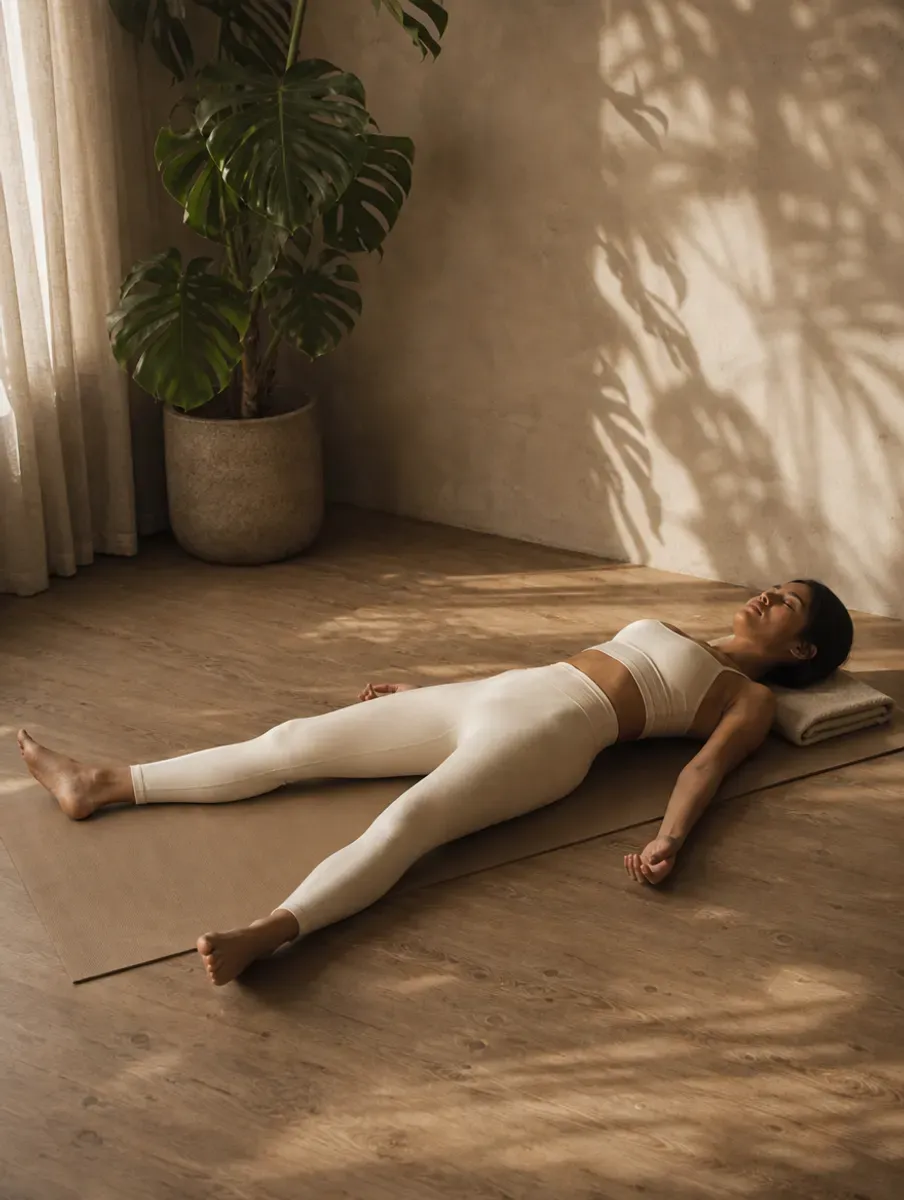
Corpse Pose
Intermediate
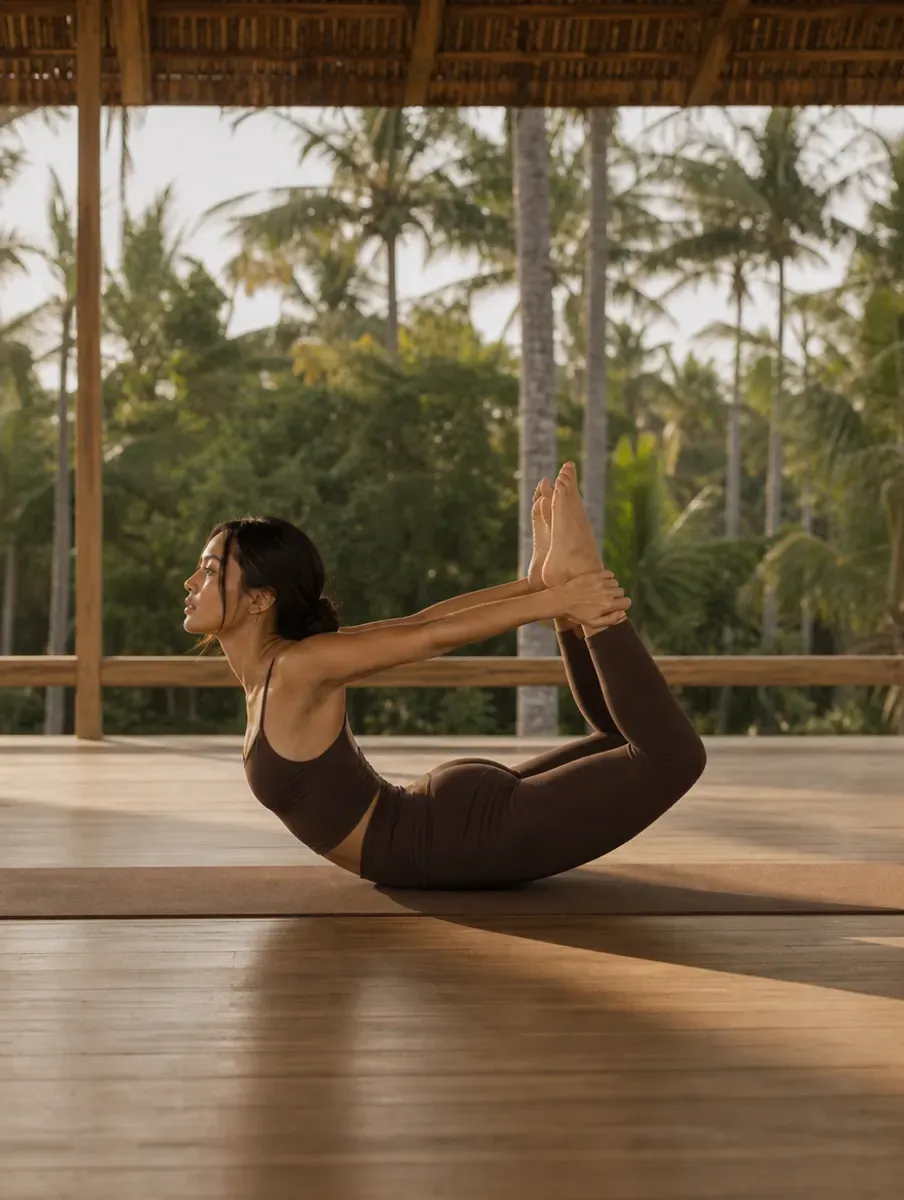
Bow Pose
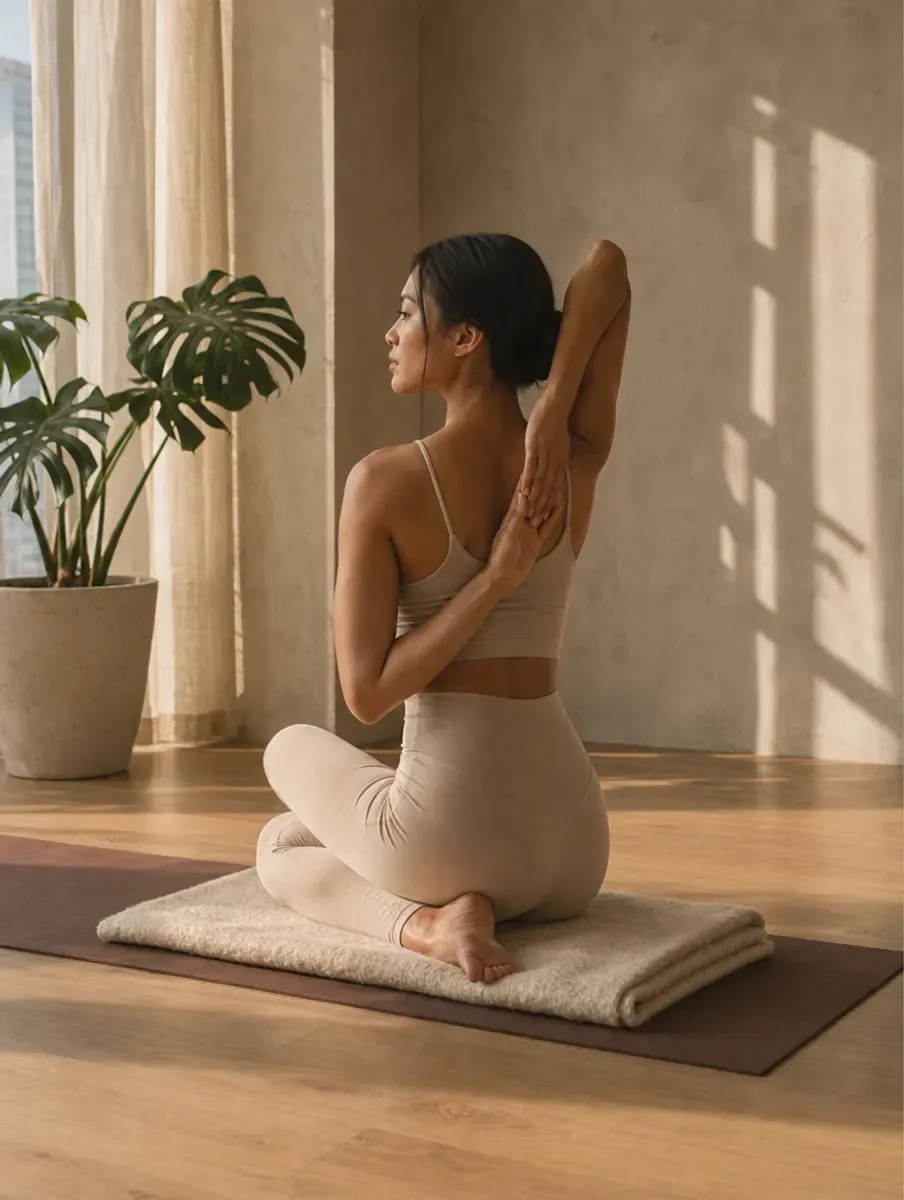
Cow Face Pose
Advanced
Lotus Pose
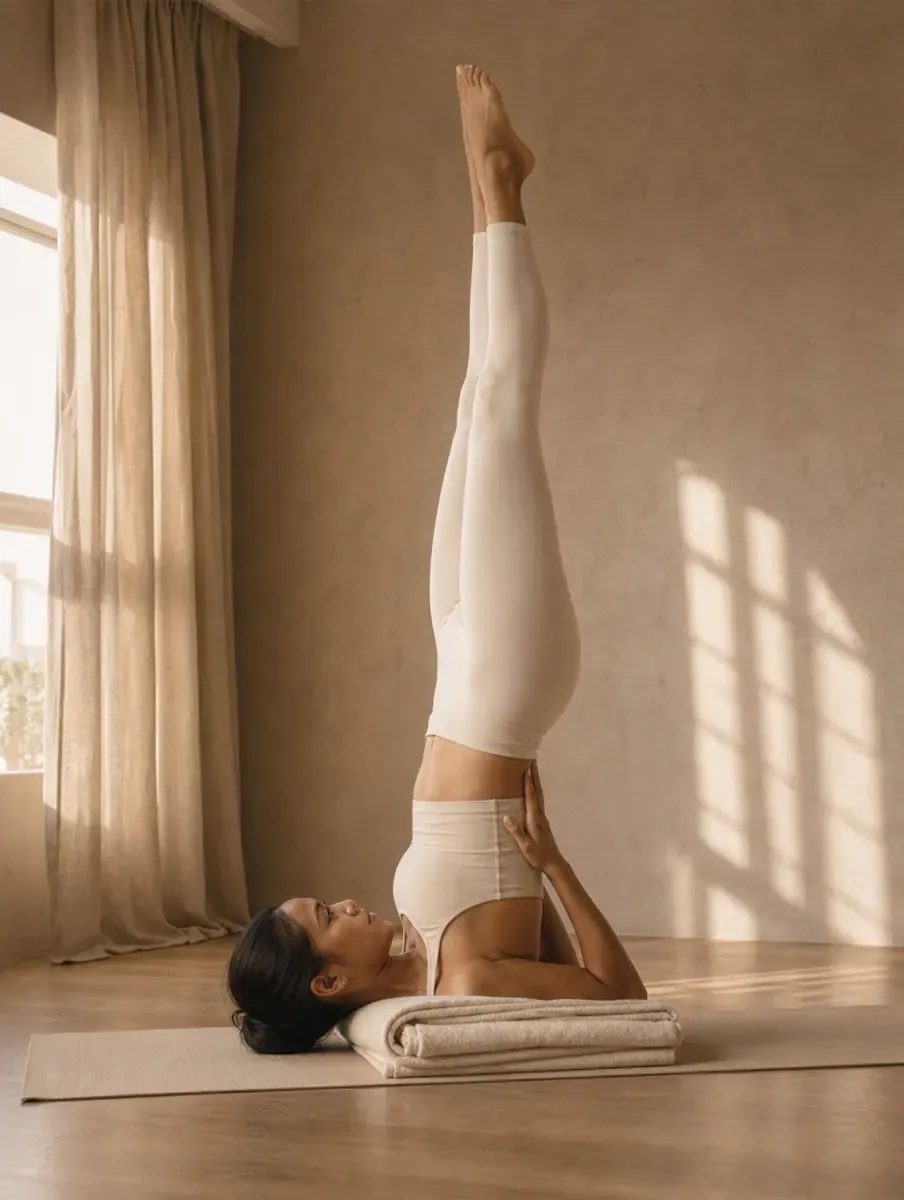
Shoulder Stand
Hatha yoga poses are the postures of a hatha class, held for a few breaths each with a pause in between. In a studio timetable, hatha usually means a general class at a steady pace, and the poses are the familiar ones: standing shapes, a few balances, backbends on the front, seated folds and twists, and a long rest at the end.
The word has an older meaning too. Hatha yoga, its meaning and its texts explains how the practice was written down in Sanskrit manuals from about the eleventh century, and how the Hatha Yoga Pradipika of Svatmarama, from the fifteenth century, organised it.
Which hatha yoga poses come from the old texts?
The first chapter of the Hatha Yoga Pradipika describes fifteen asanas. Most are seated or lying shapes: Siddhasana, Padmasana (Lotus), Simhasana (Lion), Bhadrasana, Virasana (Hero), Gomukhasana (Cow Face), Paschimottanasana (Seated Forward Bend), Dhanurasana (Bow), Matsyendrasana (a twist), Savasana and a few balances such as Kukkutasana and Mayurasana. Eight of the shapes on this page appear there in some form, and the notes say which. The first of them has its own page: Siddhasana, the accomplished pose.
Most standing poses, including the Warrior family, became part of posture practice much later, largely in the twentieth century. A modern hatha class mixes both, which is why the list above runs from Mountain Pose to Lotus.
How is a hatha class put together?
A typical class starts with a few minutes of breathing in a comfortable seat, warms up on all fours, moves to standing poses, then backbends, seated folds and twists, sometimes an inversion, and Savasana. Each pose is held for three to eight breaths. The guide to hatha vs vinyasa compares the pace with a flowing class, and the Sanskrit yoga glossary explains the names you will hear.
If you would rather see every common pose at once, the yoga poses chart with English and Sanskrit names has forty on one printable page. For a fixed sequence of held postures taught in a heated room, see the Bikram 26 poses in order. Lotus and Shoulder Stand are for later: learn them with a teacher, and stop any pose that causes sharp pain.
Sources: Mayo Clinic, Fitness program: 5 steps to get started; NCCIH (US National Institutes of Health), Yoga: Effectiveness and Safety; PLoS One (Cramer et al., 2013), via PubMed Central, Adverse Events Associated with Yoga: A Systematic Review of Published Case Reports and Case Series; PLoS One (Jasien et al., 2015), via PubMed Central, Intraocular Pressure Rise in Subjects with and without Glaucoma during Four Common Yoga Positions. Last reviewed 2 October 2026.
Questions
How many asanas does the Hatha Yoga Pradipika describe?
Fifteen, in its first chapter. The text says many more were taught and names four seated postures, Siddhasana, Padmasana, Simhasana and Bhadrasana, as the most important. Most standing poses taught today came later.
How long do you hold poses in a hatha class?
Usually three to eight breaths, sometimes longer, with a pause between poses. That slower pace is the main difference from vinyasa, where you move on with almost every breath.
Are hatha yoga poses different from vinyasa poses?
Mostly they are the same poses. The difference is the pacing: hatha holds each shape and rests between them, while vinyasa links them into a flow.
What are the 12 basic asanas of hatha yoga?
The best-known set of twelve comes from the Sivananda style: Headstand, Shoulder Stand, Plough, Fish, Seated Forward Bend, Cobra, Locust, Bow, Half Spinal Twist, Crow, Standing Forward Bend and Triangle. It is one teaching sequence, not a list from the old texts, and a general hatha class may use quite different poses.
Updated