Pose collection · 13 poses
Backbend yoga poses, from Sphinx to Wheel
Backbend yoga poses arch the spine and open the front of the body. Start with gentle shapes on the belly, such as Sphinx, Cobra and Locust, move to Bridge and Camel once you are warm, and leave Wheel for later. Lift through the upper back, keep the lower back long, and come out slowly.
Beginner
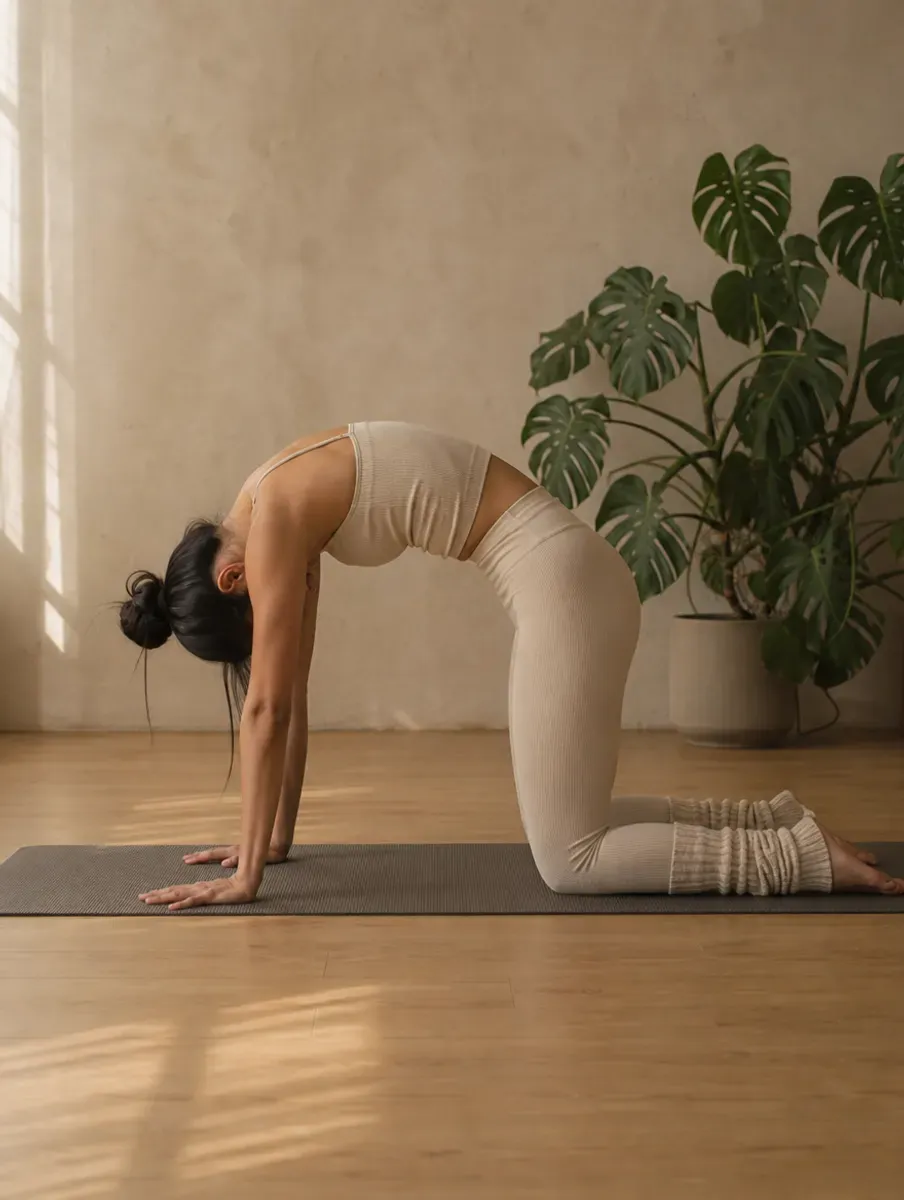
Cat-Cow
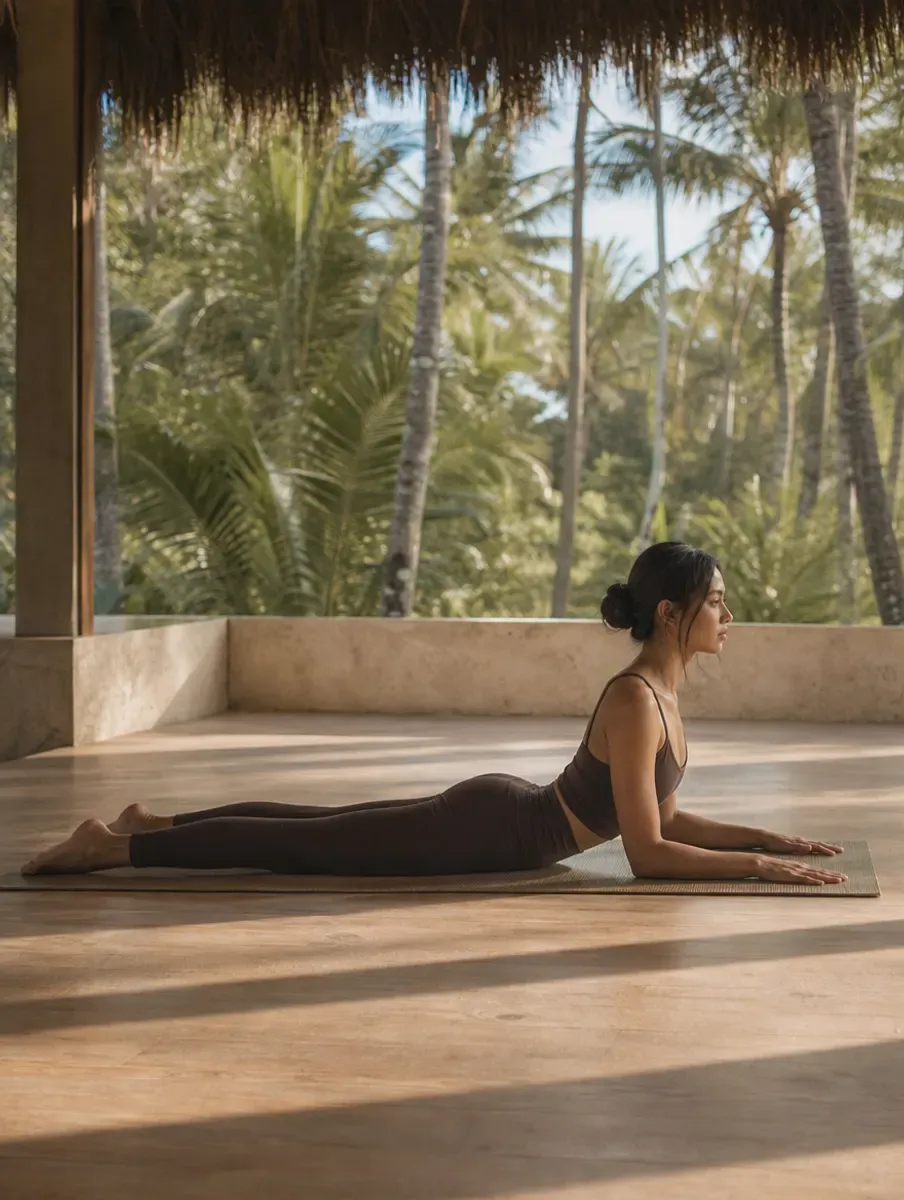
Sphinx Pose
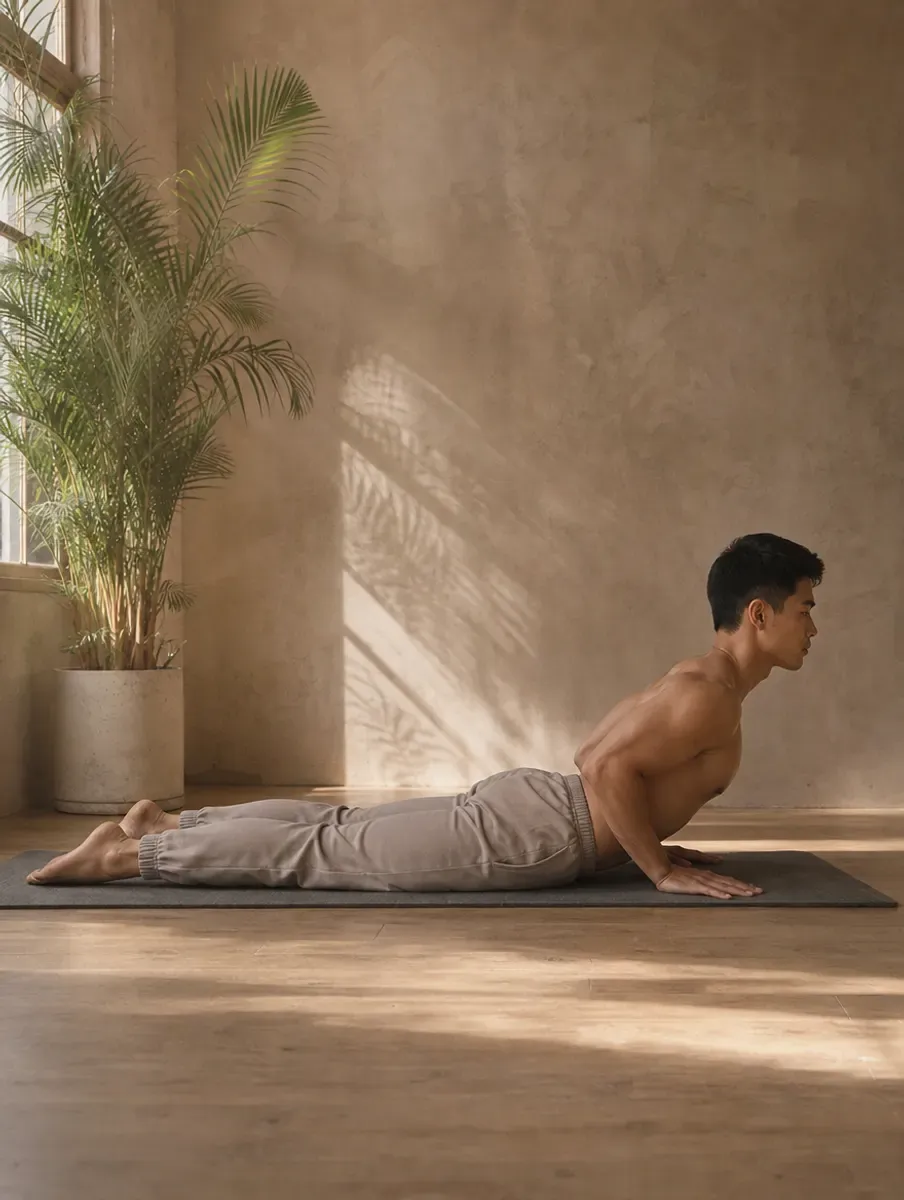
Cobra Pose
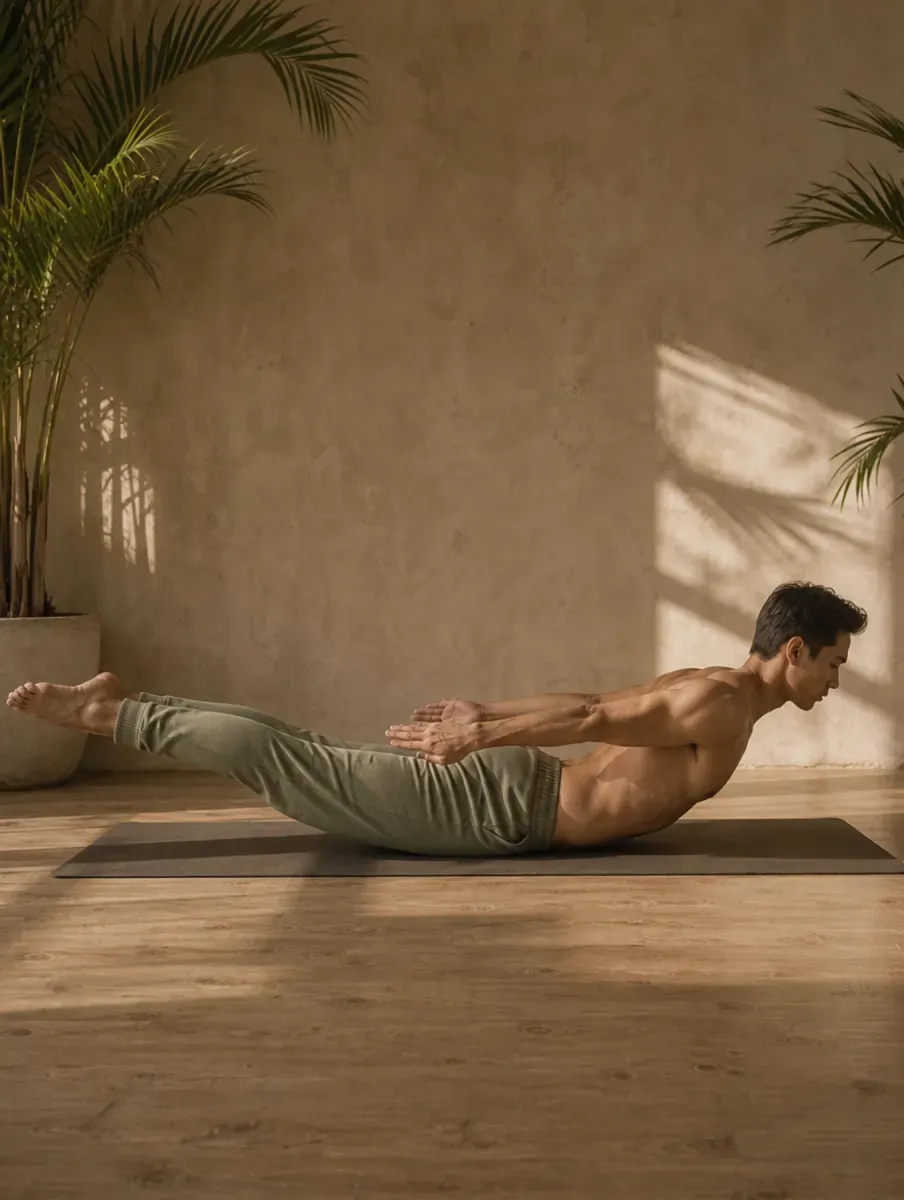
Locust Pose
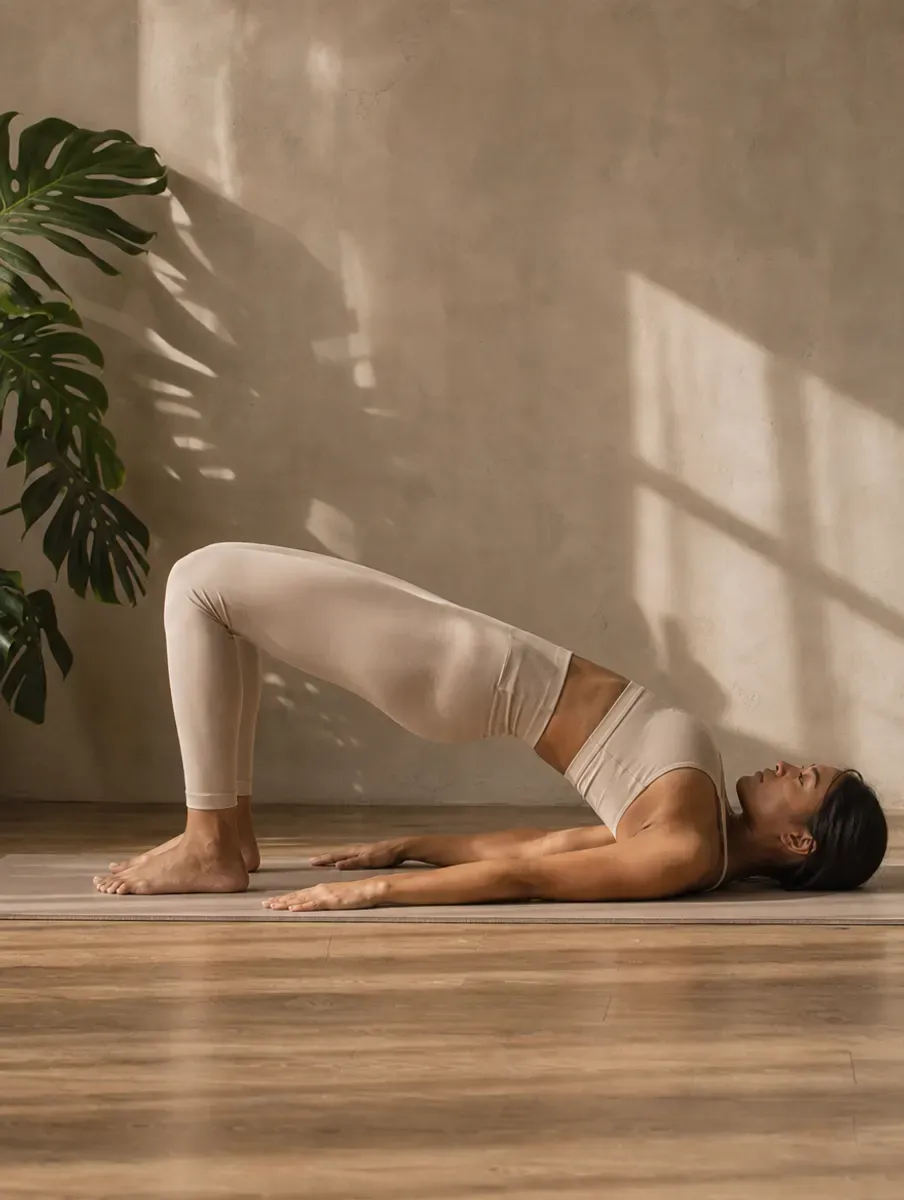
Bridge Pose
Intermediate
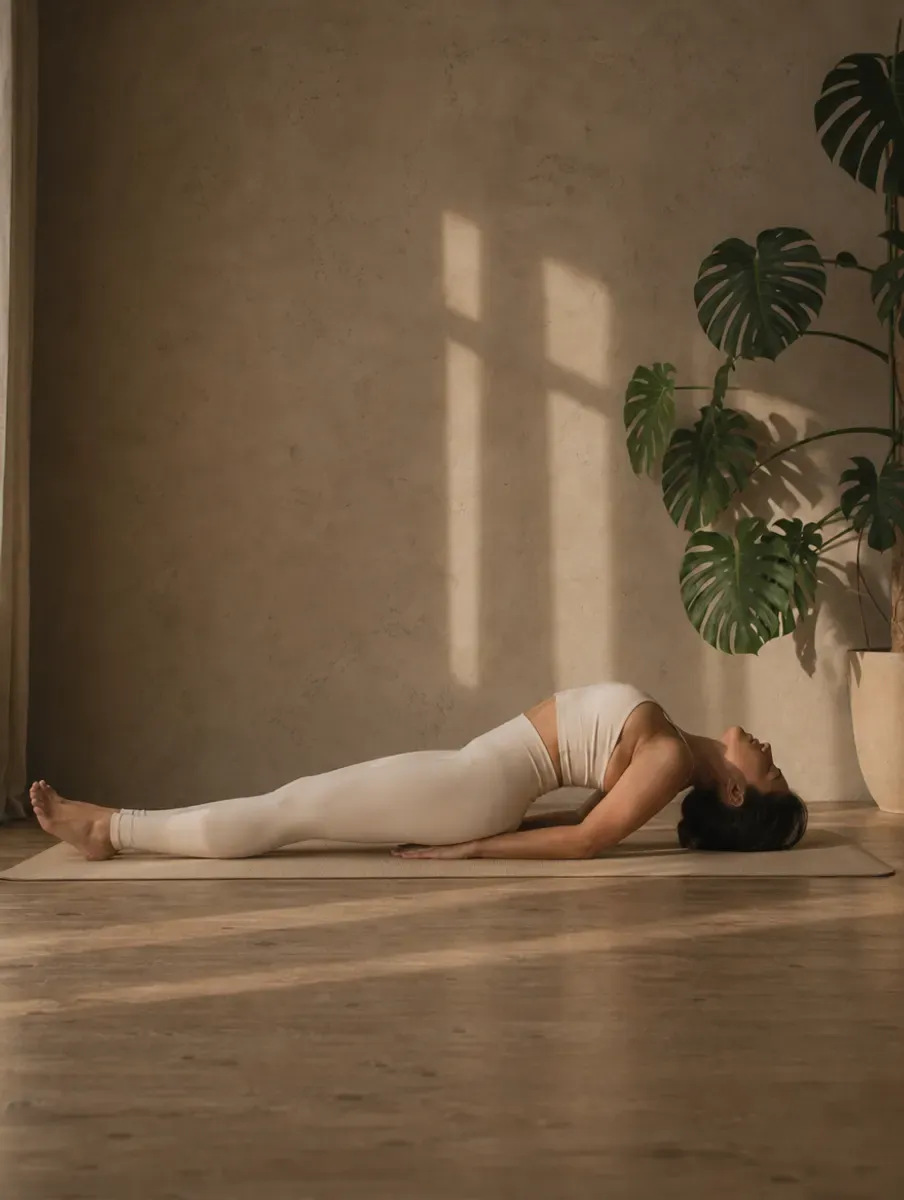
Fish Pose
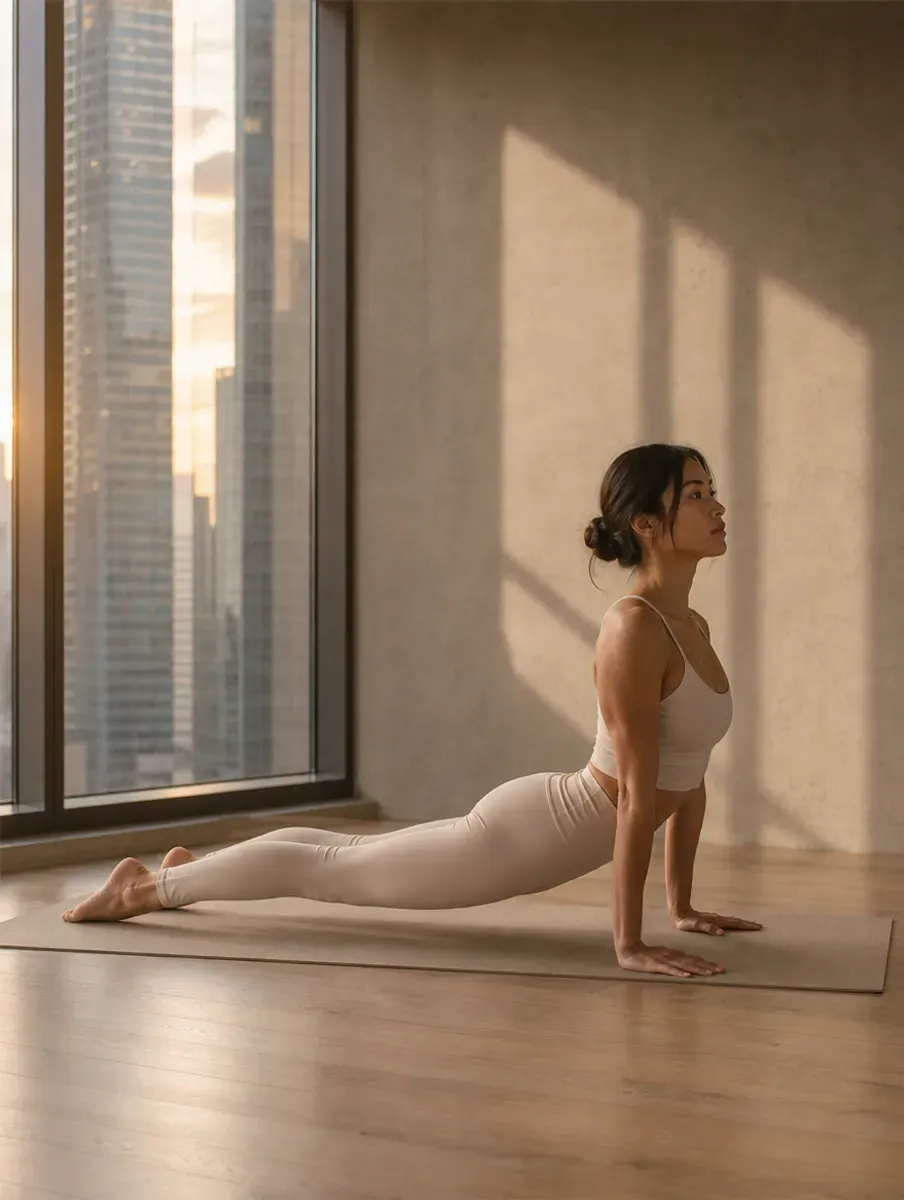
Upward-Facing Dog
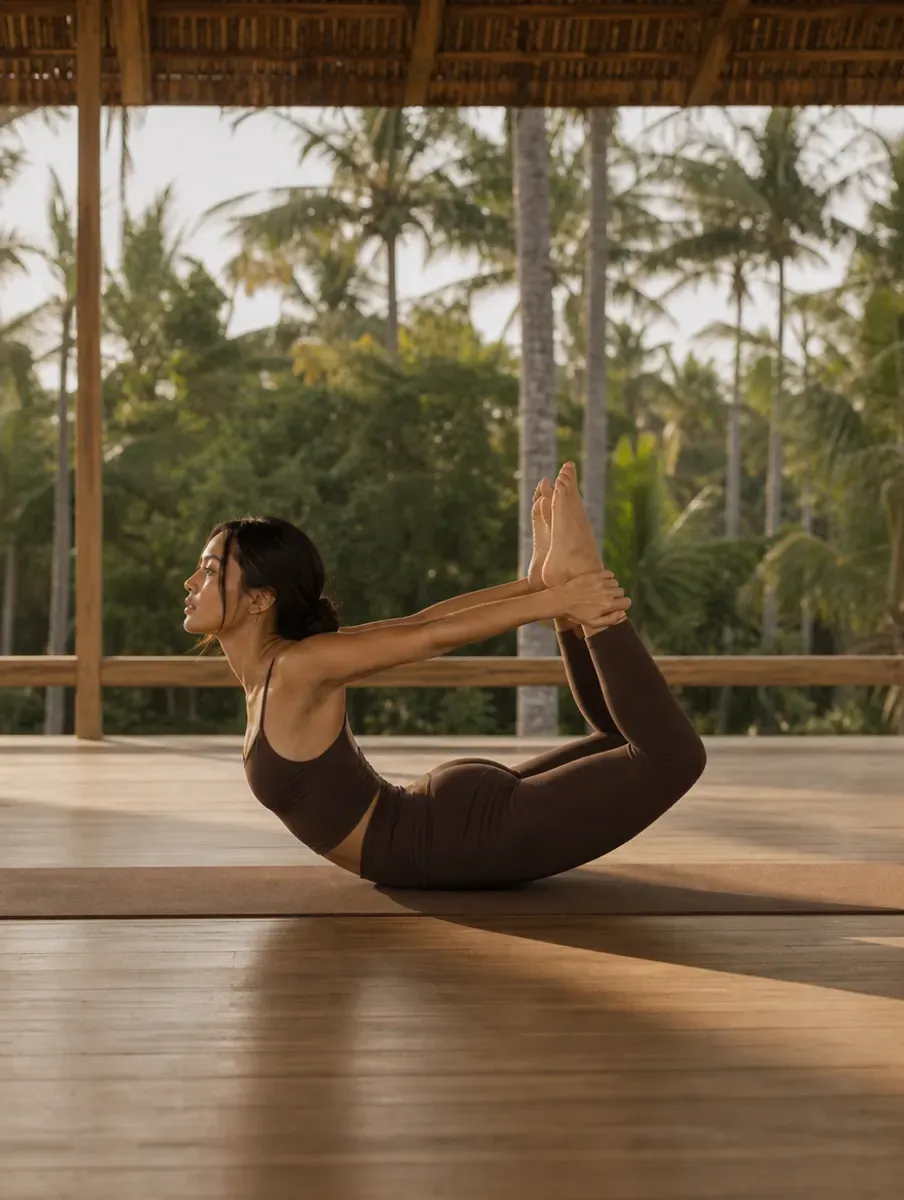
Bow Pose
Reverse Plank
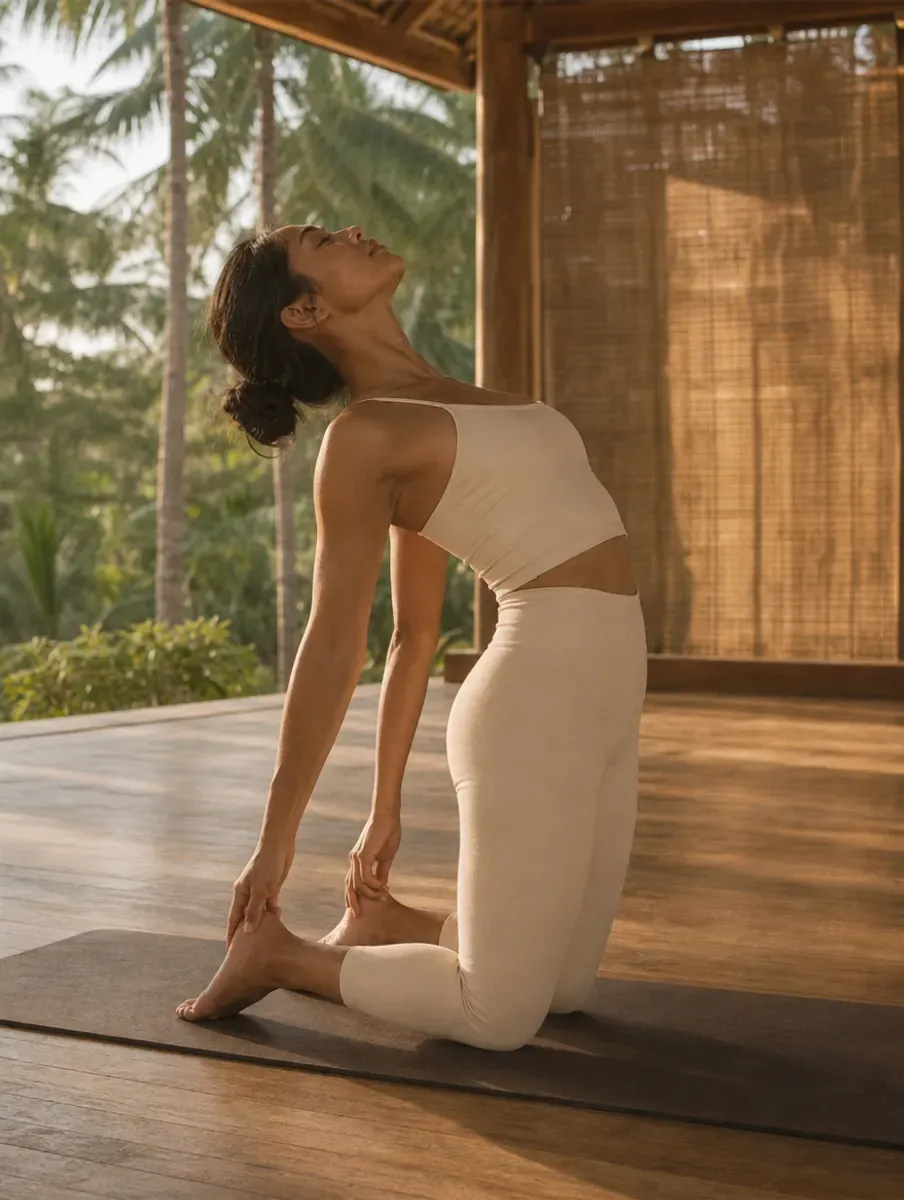
Camel Pose
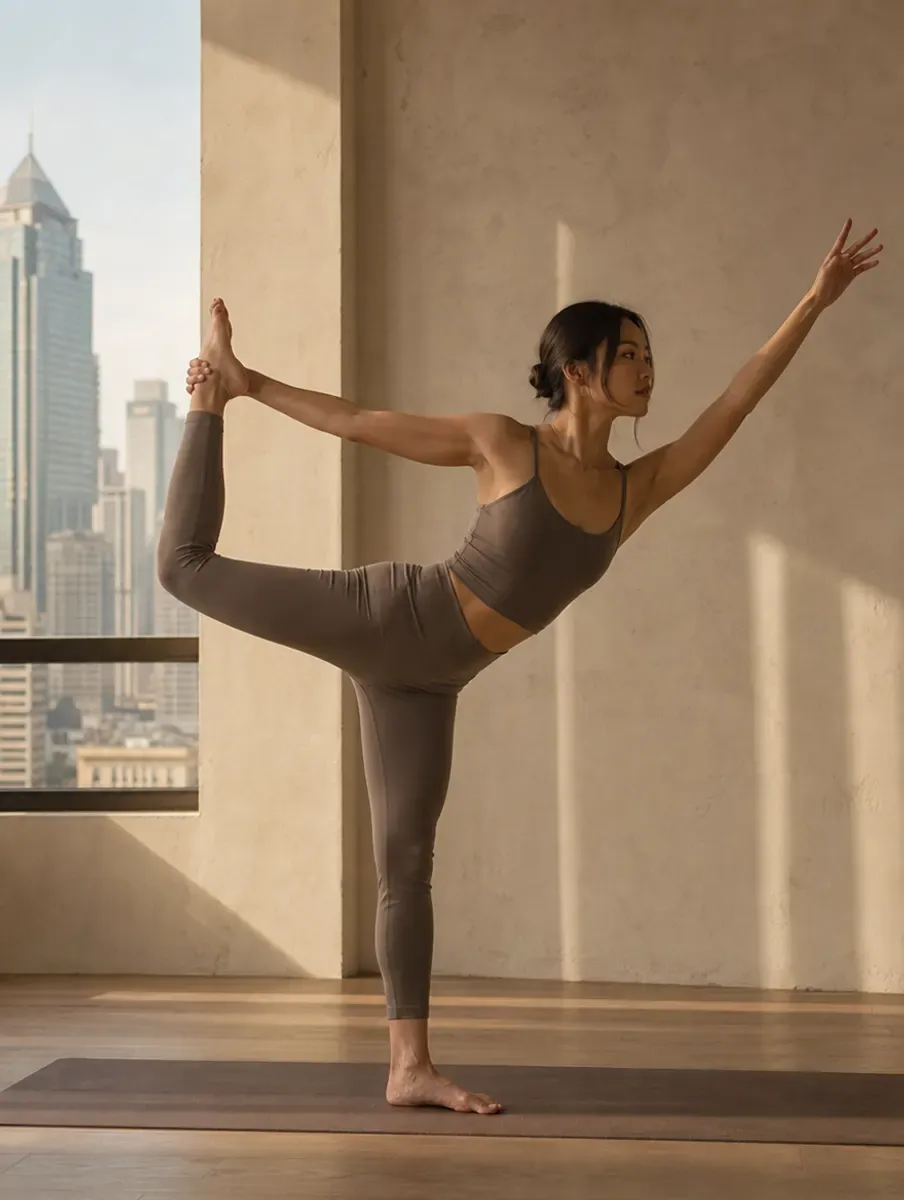
Dancer Pose
Advanced
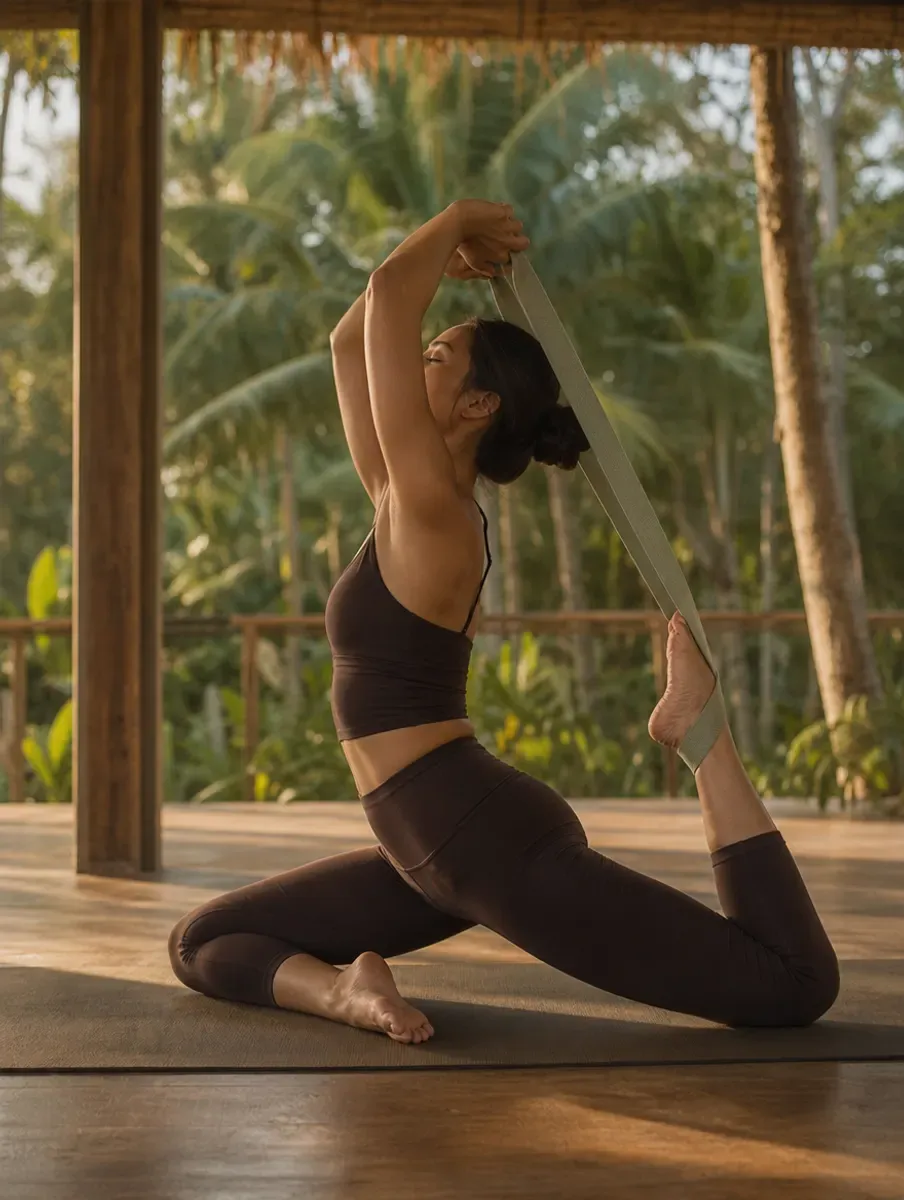
King Pigeon Pose
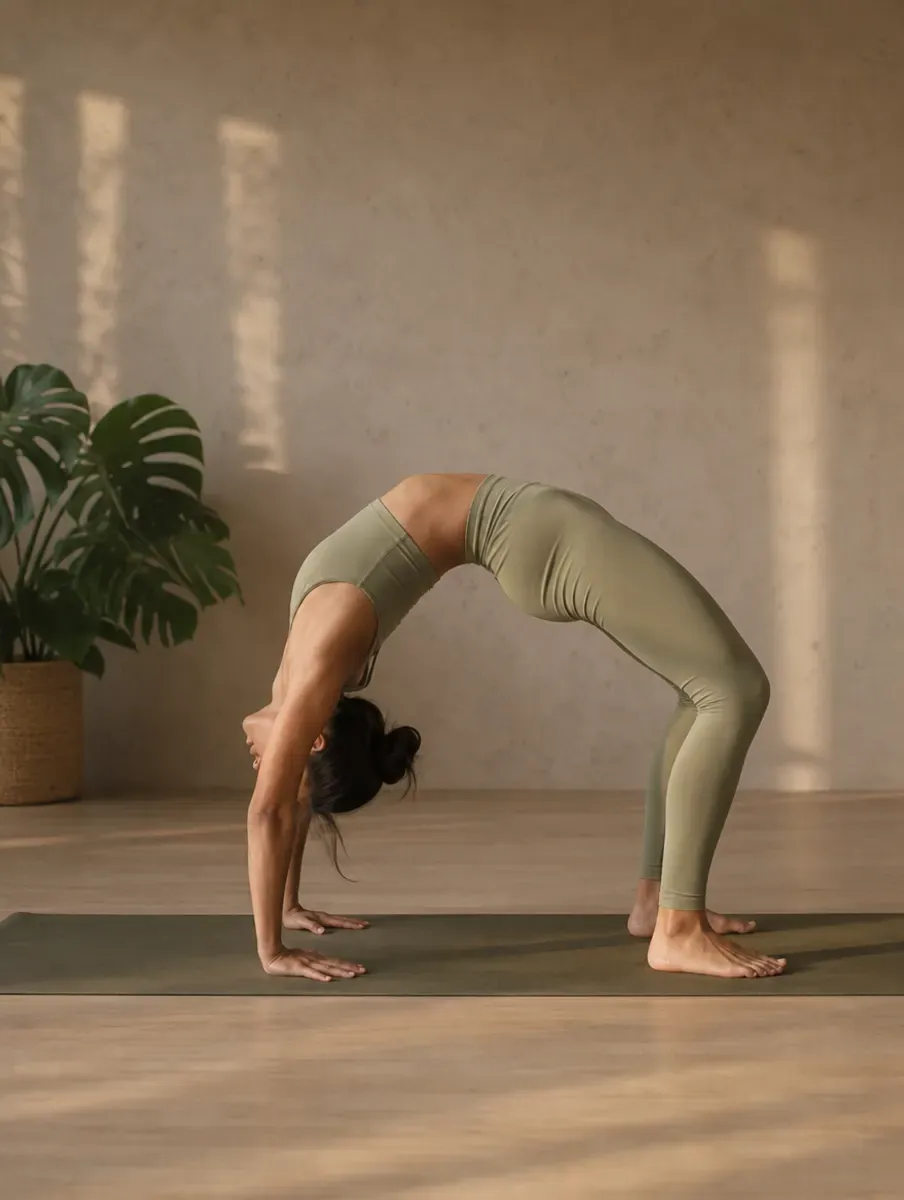
Wheel Pose
Backbend yoga poses bend the spine backwards and stretch the front of the body: the chest, the belly, the front of the shoulders and the hips. They tend to feel energising, which is why many classes place them in the middle of a practice, once the body is warm.
This page lists them roughly in order of effort. The first five are suitable for most beginners. The middle group asks for open shoulders and hips, and the last two are for later, ideally learned with a teacher.
How do you choose the right backbend?
Start on the belly. Cobra Pose, the first belly-down backbend and Locust teach you to lift with the muscles of the back instead of pushing with the arms. Bridge Pose, lifted from the floor adds the legs. Camel and Bow follow when those feel steady.
A good backbend spreads the curve along the whole spine, so the upper back, which is usually the stiffest part, gets its share. Most of the effort should come from the legs and the upper back, with the lower back long. Breathing will feel shorter in deep backbends, but it should never stop. Come out on an exhale, slowly, rather than dropping out of the shape.
Who should go carefully?
Ease off or skip the deeper shapes if you have a back, neck or shoulder injury, and stop at any sharp, pinching or travelling pain. See a doctor or physio if back pain lasts. In pregnancy, belly-down shapes are usually left out and deep backbends kept gentle; prenatal and postpartum yoga with Joahnna Lee covers what to do instead.
On days off the mat, the back exercises built on yoga holds build the strength that makes backbends feel steadier, and the upper back stretches open the part of the spine that usually needs it most. When Wheel Pose, the full backbend, is your aim, give it months, not weeks.
What are the different types of backbends?
Backbends are easiest to sort by what supports you. Work through them roughly in this order:
- Belly-down: Sphinx, Cobra, Locust and Bow.
- Lying on the back: Bridge and Fish.
- Arm-supported: Upward-Facing Dog and Reverse Plank.
- Kneeling: Camel.
- Standing: Dancer.
- Full and deep: King Pigeon and Wheel.
Sources: Mayo Clinic, Fitness program: 5 steps to get started; NCCIH (US National Institutes of Health), Yoga: Effectiveness and Safety; NHS, Exercise in pregnancy; CDC, Pregnant & Postpartum Activity: An Overview; Canadian Family Physician (Chan et al., 2014), via PubMed Central, Hot yoga and pregnancy: Fitness and hyperthermia; NHS, Back pain. Last reviewed 2 October 2026.
Questions
How do you warm up for backbend yoga poses?
Move the spine gently first with Cat-Cow, then open the front of the hips with a low lunge and the shoulders with a few arm circles. A couple of Sun Salutations warm the whole body. Deep backbends belong in the second half of a practice, never at the start.
Why do backbends feel uncomfortable in the lower back?
The lower back bends most easily, so it tends to take more than its share. Lengthen the tailbone toward the heels, lift through the chest, and let the legs do more of the work. If you feel pinching or sharp pain, come out and choose a gentler shape.
What should you do after a backbend?
Rest flat for a few breaths, then take a gentle neutral shape such as a supine twist or Child's Pose. Avoid jumping straight into a deep forward fold. Give the spine a moment to settle.
What are backbends called in yoga?
Most teachers simply call them backbends or back bending poses, and many also call them heart openers, because they lift and open the chest. Each one has its own name, such as Cobra, Bridge, Camel or Wheel, often with a Sanskrit name alongside, like Bhujangasana for Cobra or Urdhva Dhanurasana for Wheel.
What are backbend yoga poses good for?
Backbends stretch the front of the body, the chest, belly, front of the shoulders and hips, and build strength in the muscles along the back. Many people find they feel energising, which is why classes place them in the middle of a practice. Gentle ones also balance long hours of sitting slightly rounded.
Updated