Pose collection · 12 poses
Yoga photoshoot poses that look good and are safe to hold
For a yoga poses photoshoot, choose shapes you can already hold calmly for ten breaths, such as Tree, Warrior II, Triangle, Extended Side Angle, Dancer, Boat, Easy Pose and Crow if you know it. Warm up first, come out between takes instead of holding for minutes, and skip any pose you are still learning.
Beginner
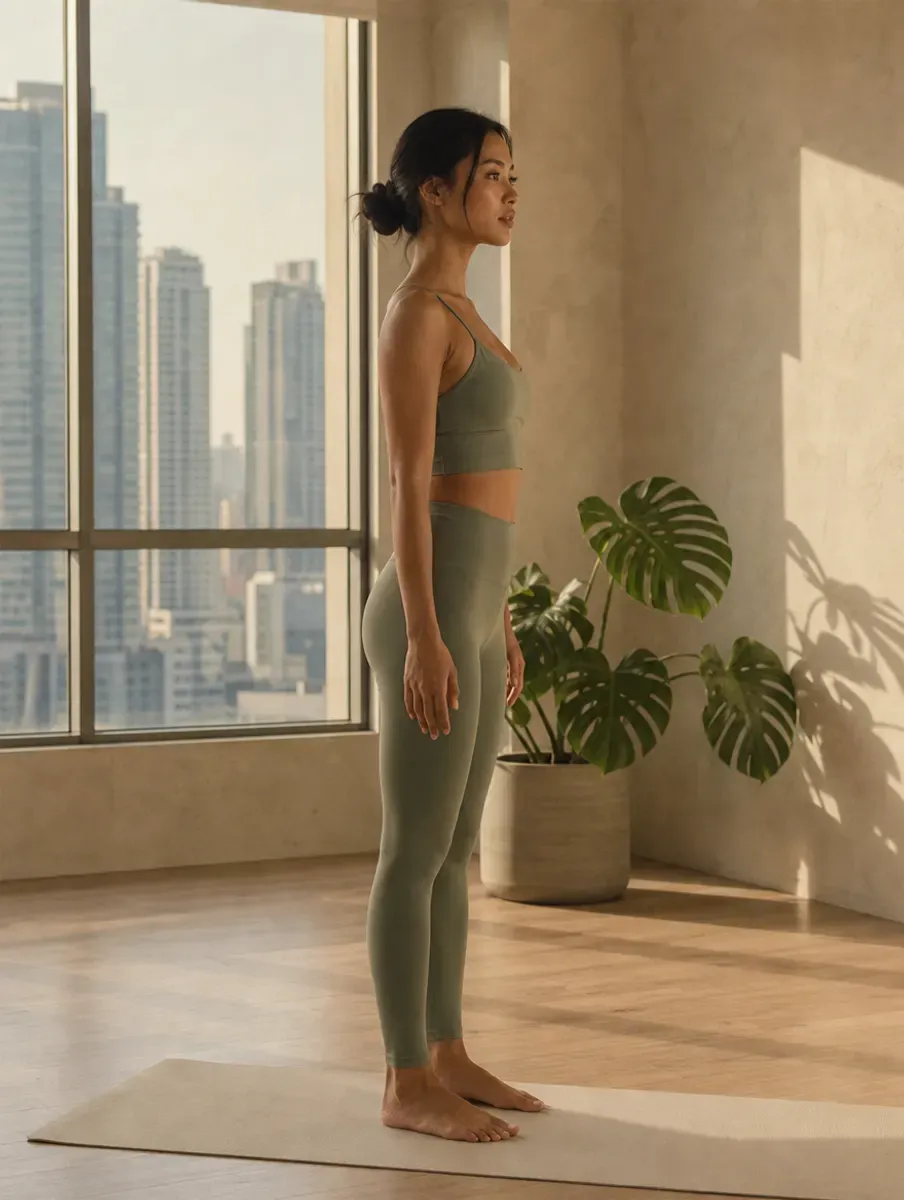
Mountain Pose
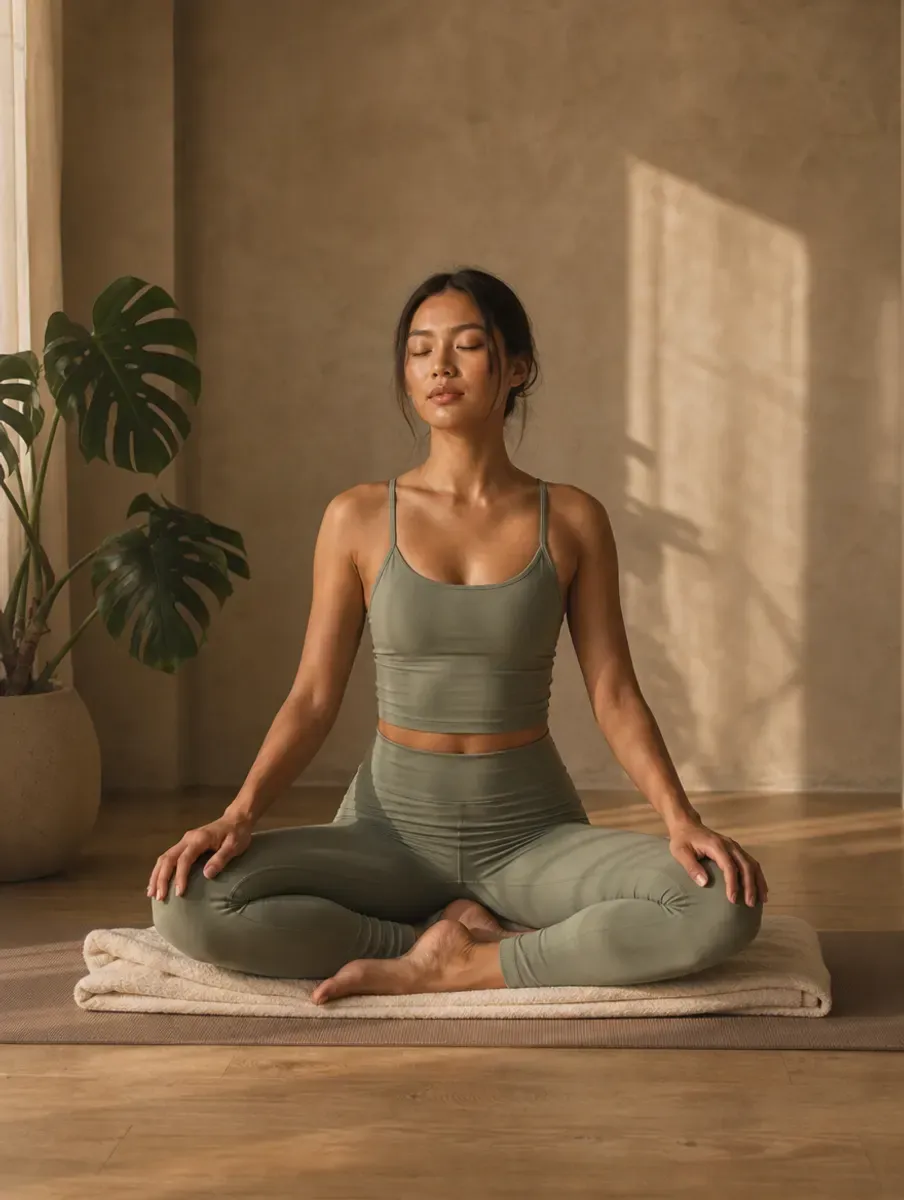
Easy Pose
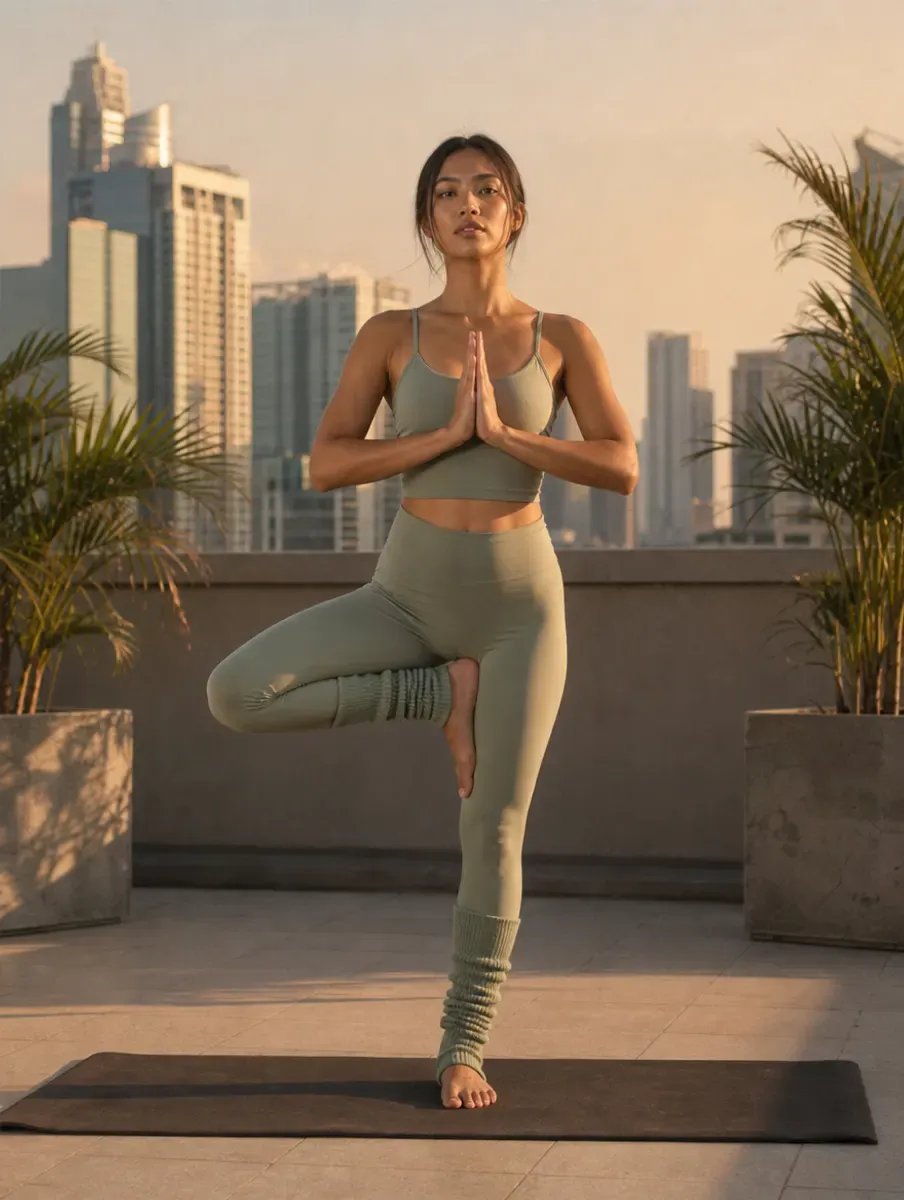
Tree Pose
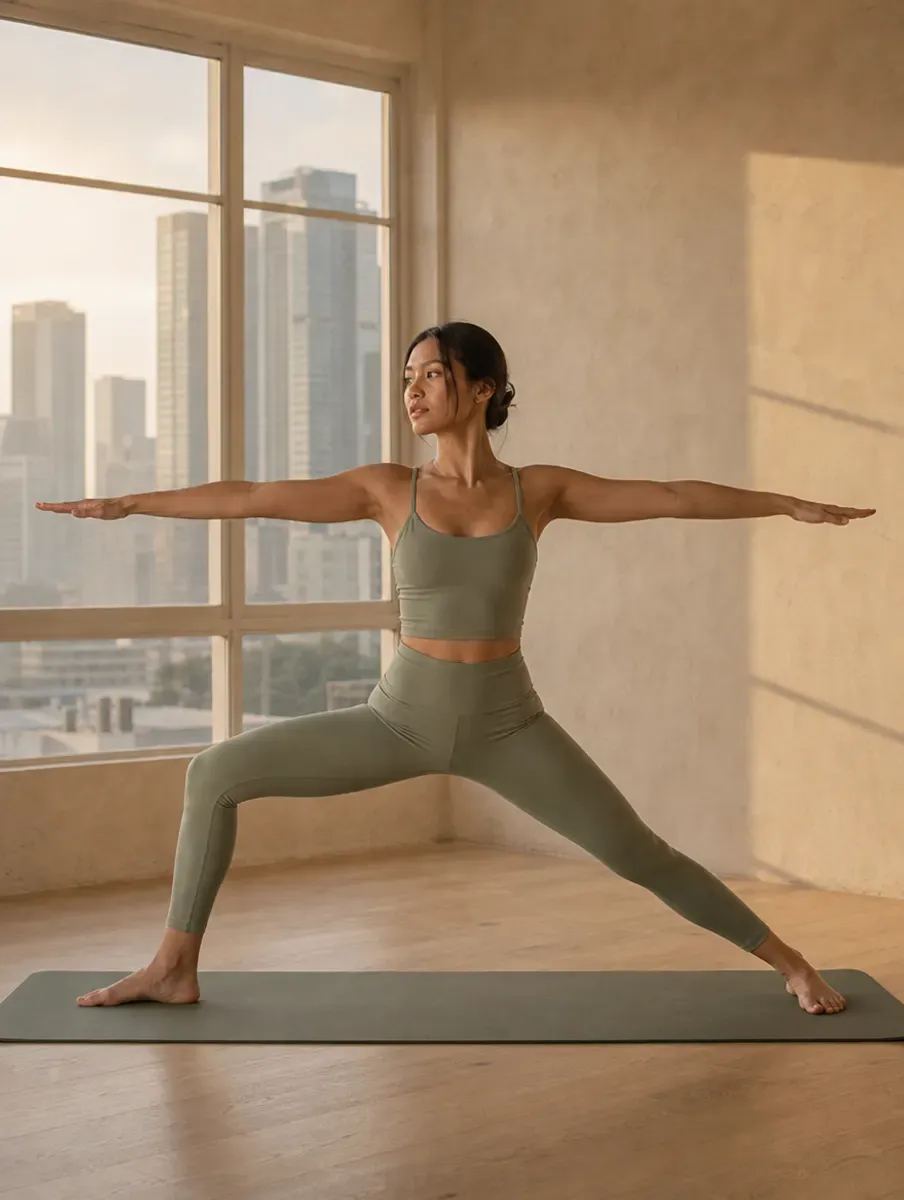
Warrior Poses
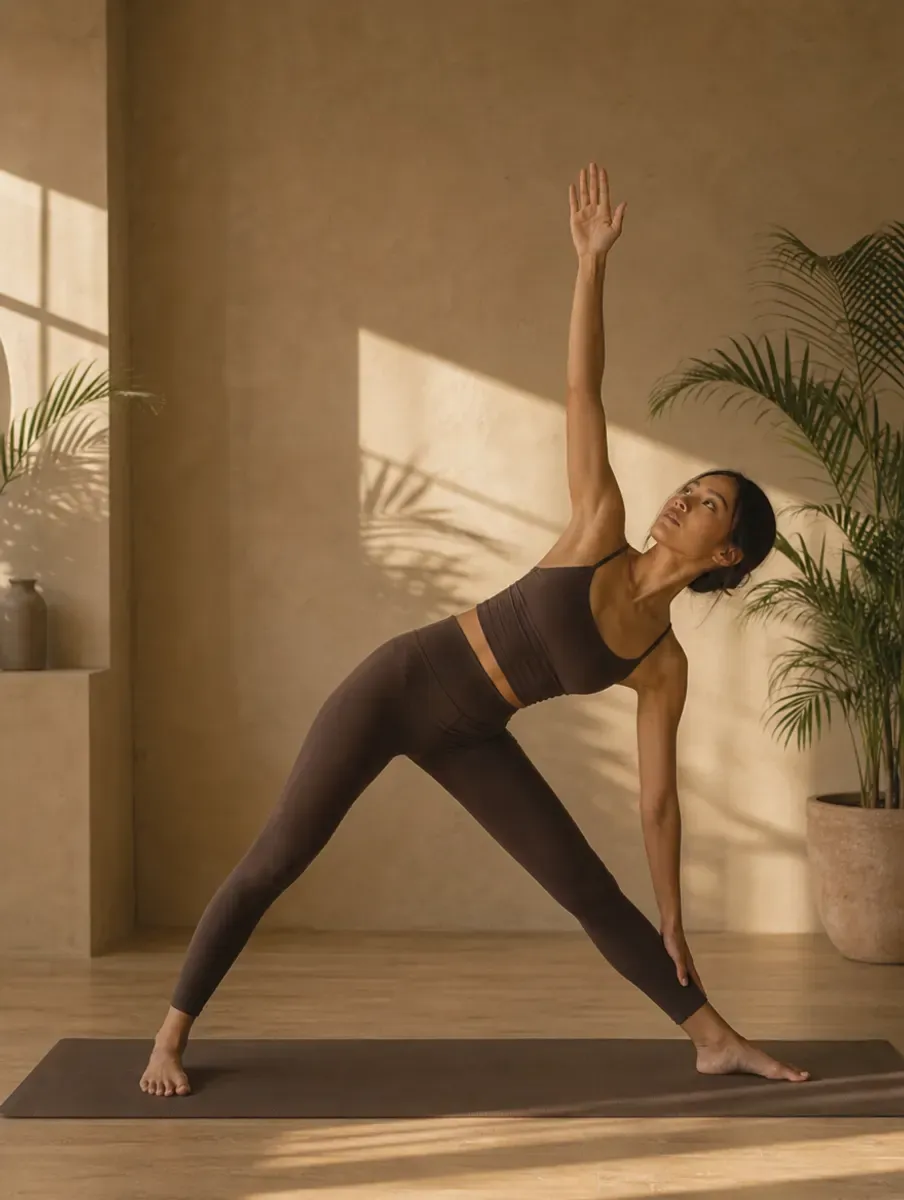
Triangle Pose
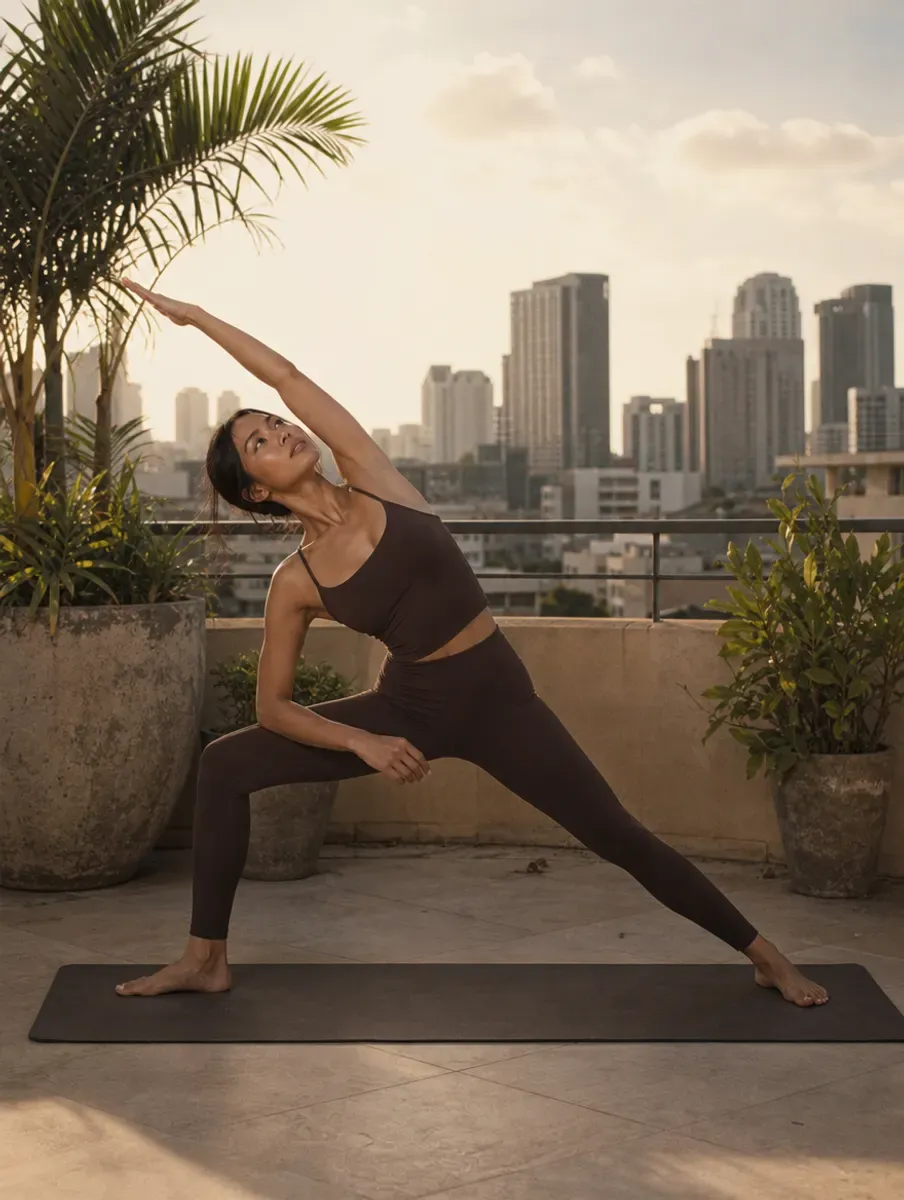
Extended Side Angle
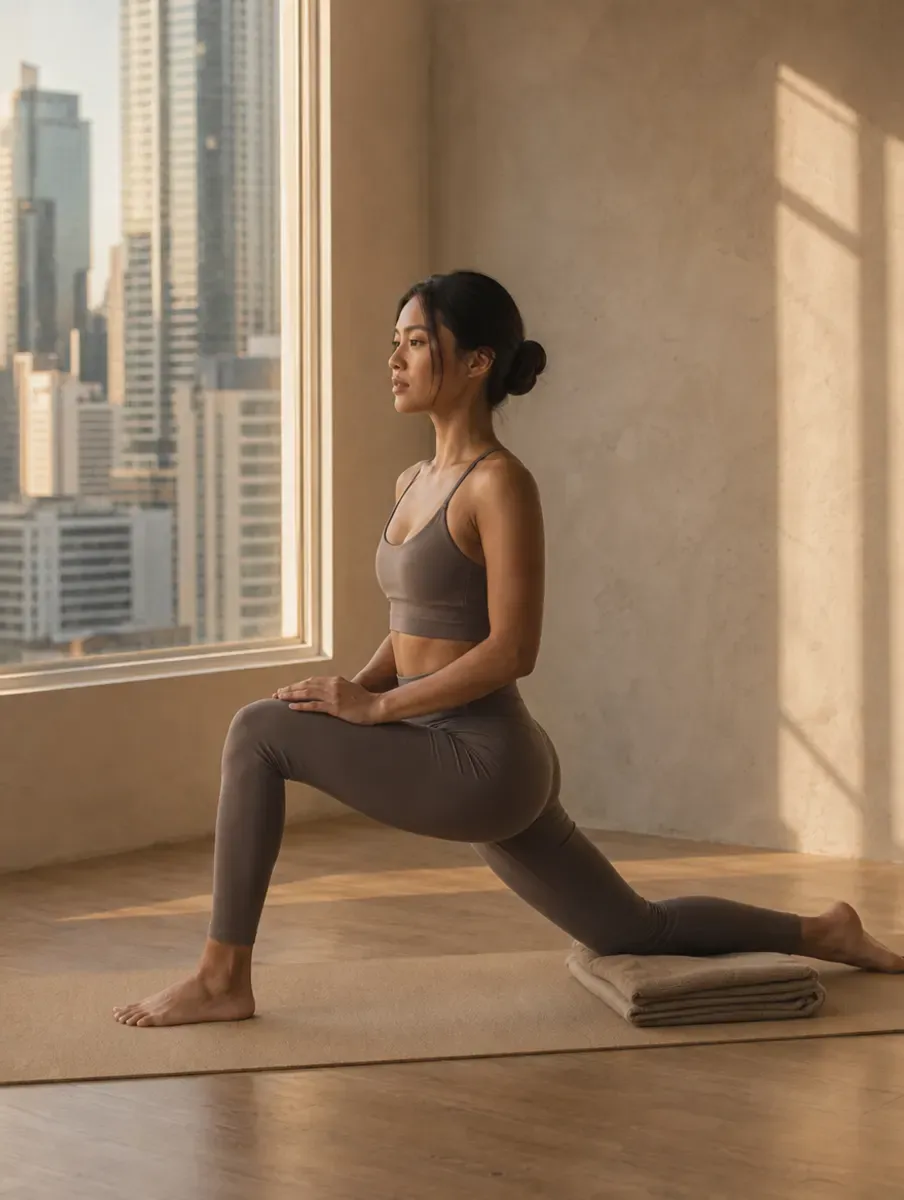
Low Lunge
Intermediate
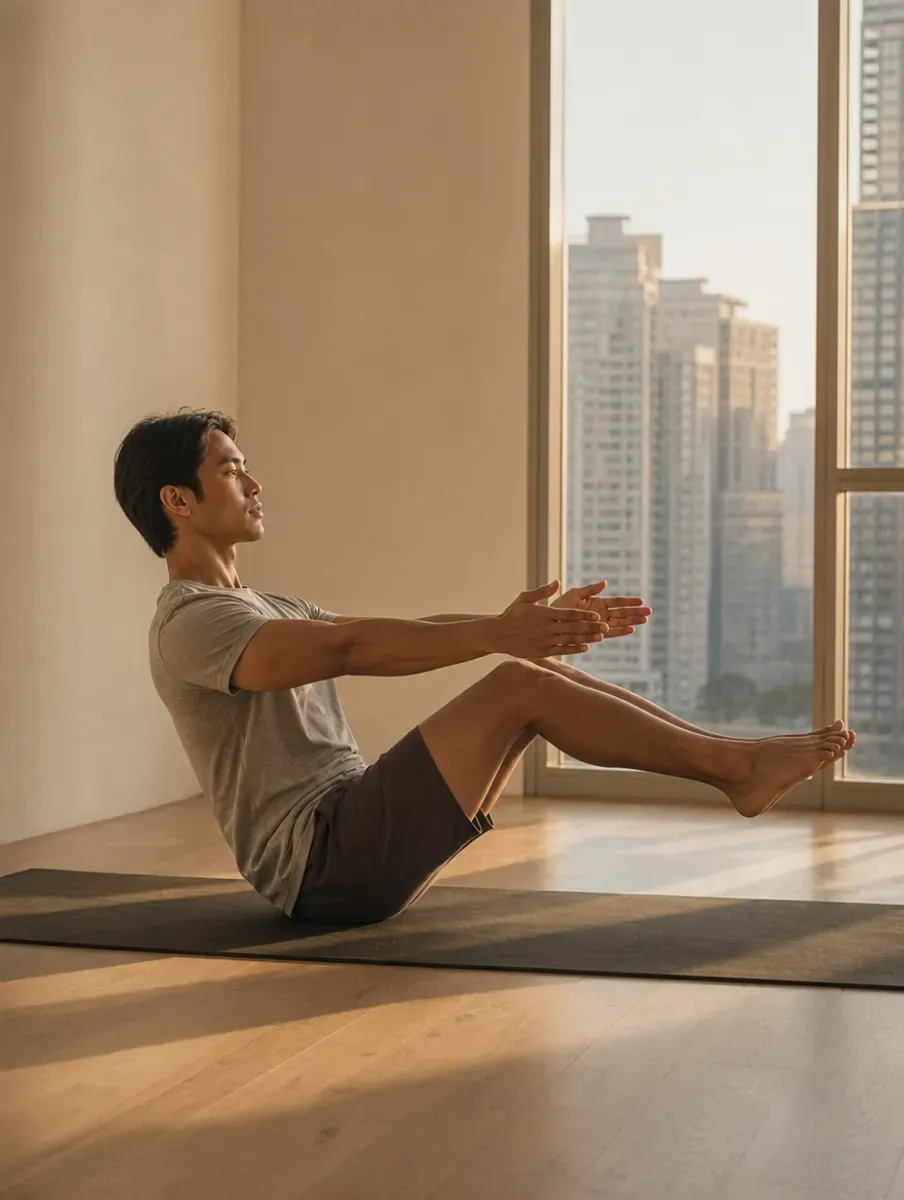
Boat Pose
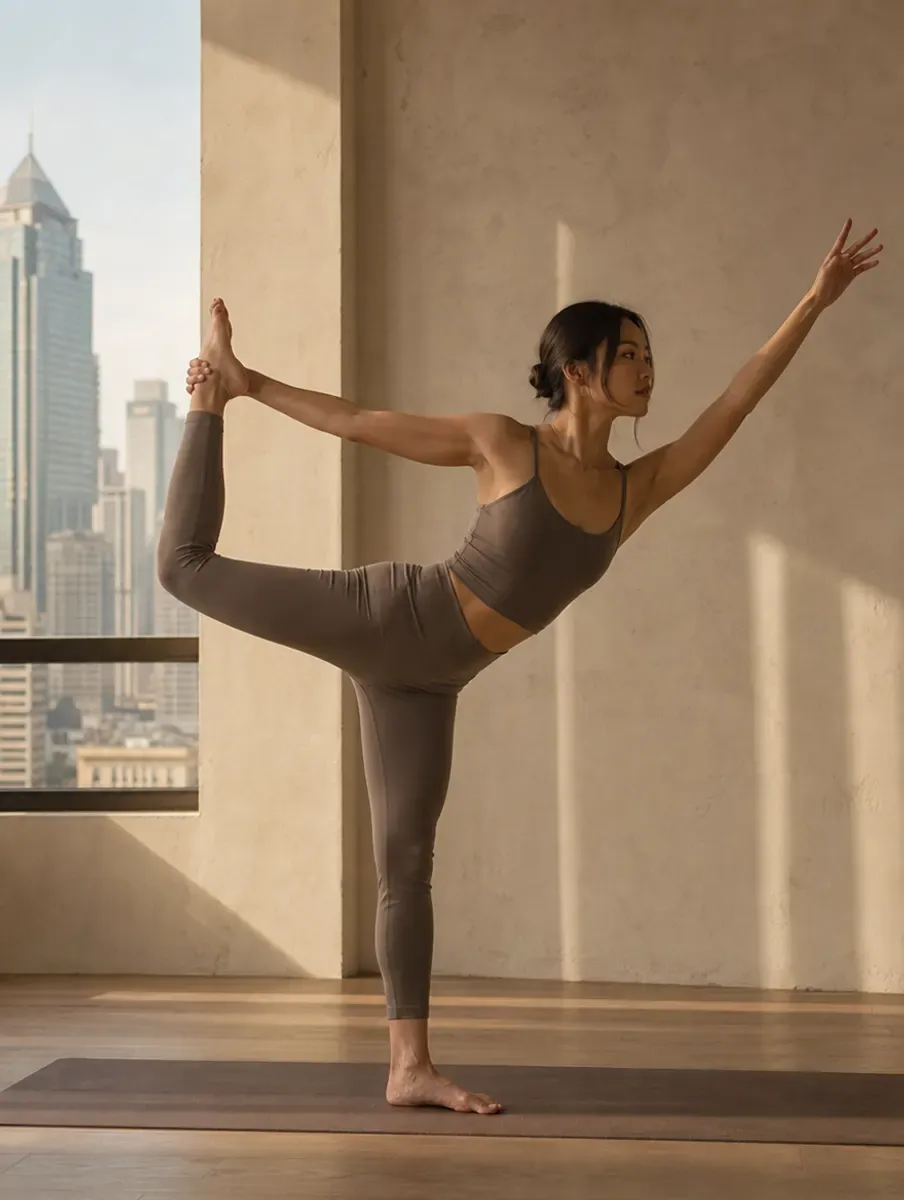
Dancer Pose
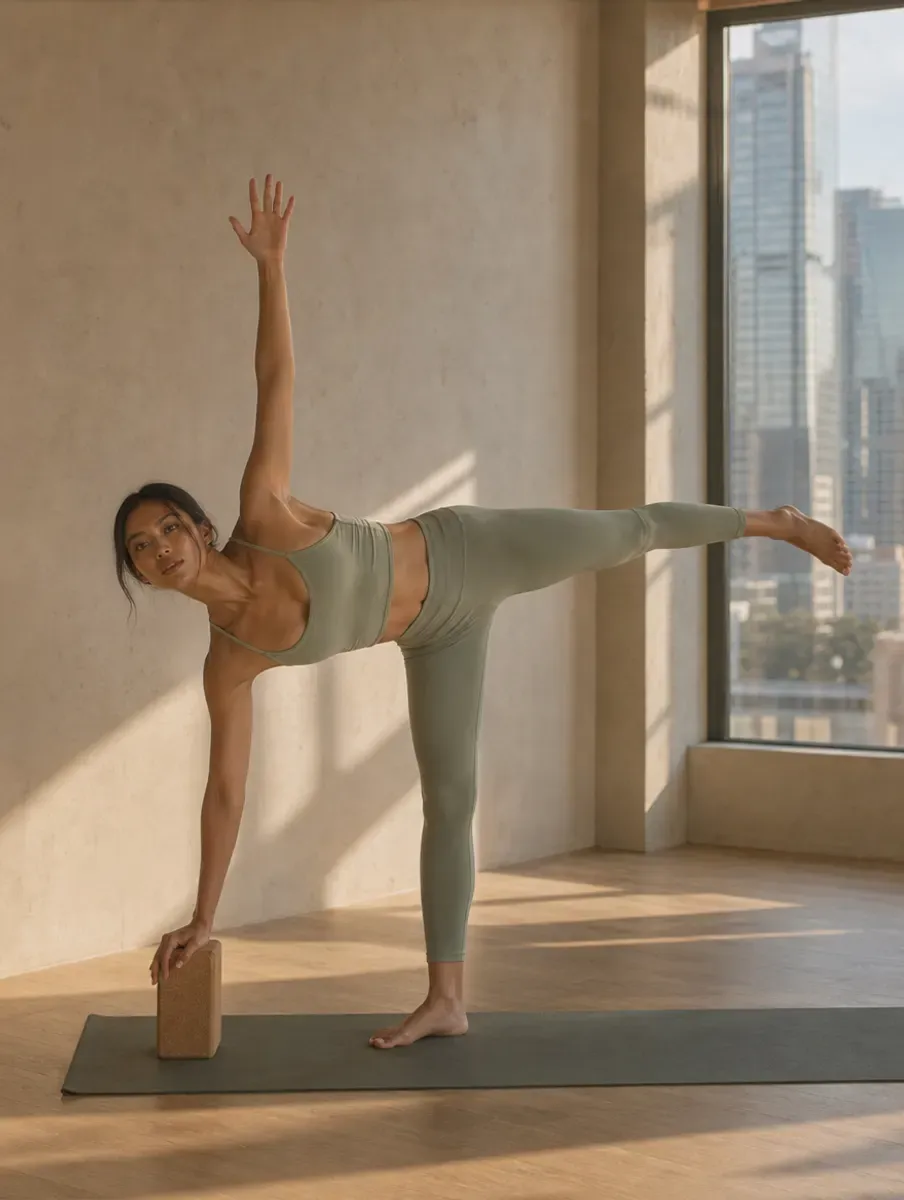
Half Moon Pose
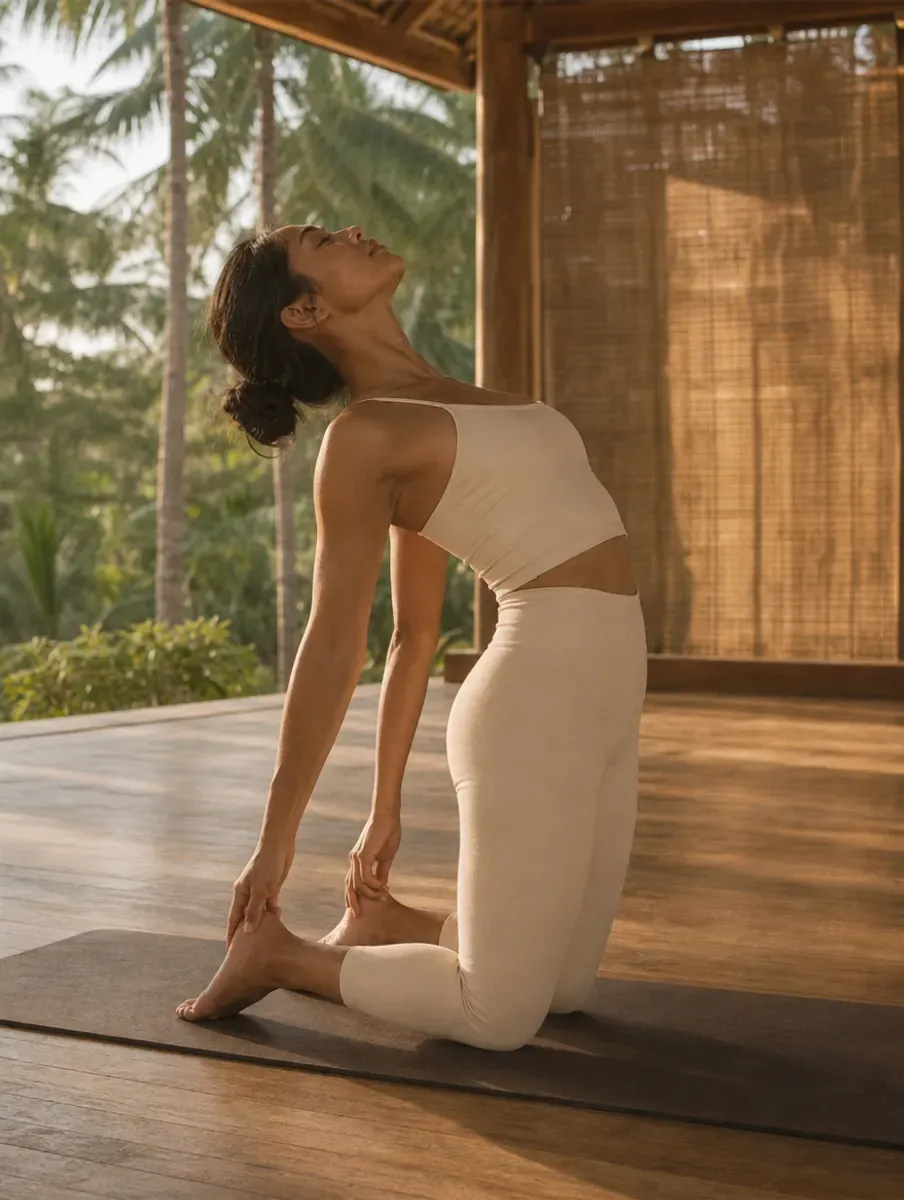
Camel Pose
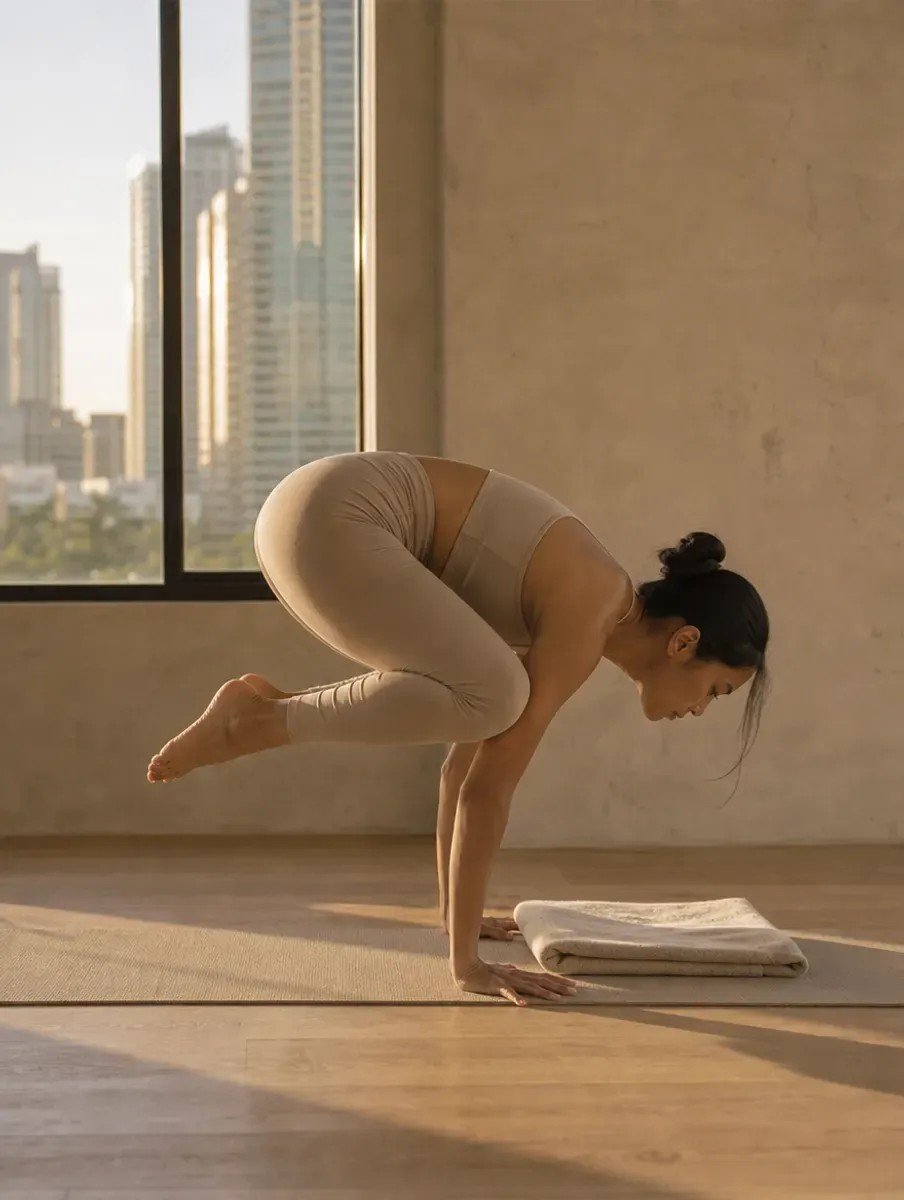
Crow Pose
A yoga photoshoot asks for something a class never does: holding a shape while someone adjusts the light, then doing it again. The poses that work best are the ones you can already hold calmly for ten breaths, with a relaxed face and an even breath. A pose you are still learning will look strained in the photo and is more likely to hurt you on the fourth retake.
These twelve read well on camera and are reasonable to repeat. Most come from the standing yoga poses, one card each, because standing shapes show clear lines from the side.
How do you hold yoga poses safely for photos?
Warm up for ten to fifteen minutes before the first frame: a few rounds of Sun Salutation, some lunges and the hips moving. Agree a signal with the photographer, set up the shape, hold for the frames, and come out. Rest for a few breaths between attempts rather than waiting in the pose while settings change.
Keep backbends and balances for the middle of the shoot, while you are warm but not yet tired. If a shot needs a deeper version than you practise, do the version you know; a clean Warrior II from the Warrior poses beats a forced split every time.
What about heat, sun and location?
Outdoor shoots in the Philippines mean strong sun and humidity. Shoot early in the morning or in the late afternoon, drink water between set-ups, rest in the shade and stop if you feel dizzy or sick. Sand, grass and wet stone are unstable under the standing foot, so bring a mat or choose firm ground for the balances. The balancing yoga poses page explains how to steady those shapes.
What should you wear?
Fitted clothing shows the line of the body and does not slide over the face in folds. The guide to yoga pants and outfits covers fabrics that cope with heat. Bare feet look natural and grip better than socks on a mat.
Skip headstands, handstands and deep arm balances unless they are already a steady part of your practice. For ideas on where those sit, see advanced yoga poses and the steps before them. Stop any pose that causes sharp pain.
Sources: Mayo Clinic, Fitness program: 5 steps to get started; NCCIH (US National Institutes of Health), Yoga: Effectiveness and Safety; NHS, Heat exhaustion and heatstroke; Cleveland Clinic, Heat Exhaustion: Symptoms & Treatment; CDC, Heat and Chronic Conditions; CDC, Heat and Pregnancy. Last reviewed 2 October 2026.
Questions
What are the best yoga poses for photos?
Shapes with clear lines and a still body read well on camera: Warrior II, Triangle, Extended Side Angle, Tree and Dancer from the side, and a tall Easy Pose for a quiet portrait. Pick the ones you can hold with a relaxed face.
How do you avoid injury during a yoga photoshoot?
Warm up for ten to fifteen minutes, only use poses you already practise, and come out of the shape between every few frames. Repeating a deep backbend or a balance dozens of times on a cold body is where shoots go wrong.
Is the beach a good place for a yoga photoshoot?
It can look lovely, but sand shifts under the standing foot and wet rocks are slippery. Use a mat or firm, flat sand, shoot early or late to avoid the strongest sun, and keep water and shade nearby.
Updated