Pose collection · 10 poses
Balancing yoga poses, from Tree to Crow
Balancing yoga poses are shapes where the base gets small: one foot, as in Tree, Eagle, Half Moon and Dancer; the hands, as in Crow and Side Plank; or the sit bones, as in Boat. Fix your gaze on one still point, spread the standing foot, keep the breath slow, and practise beside a wall.
Download the printable PDF PNG
Beginner
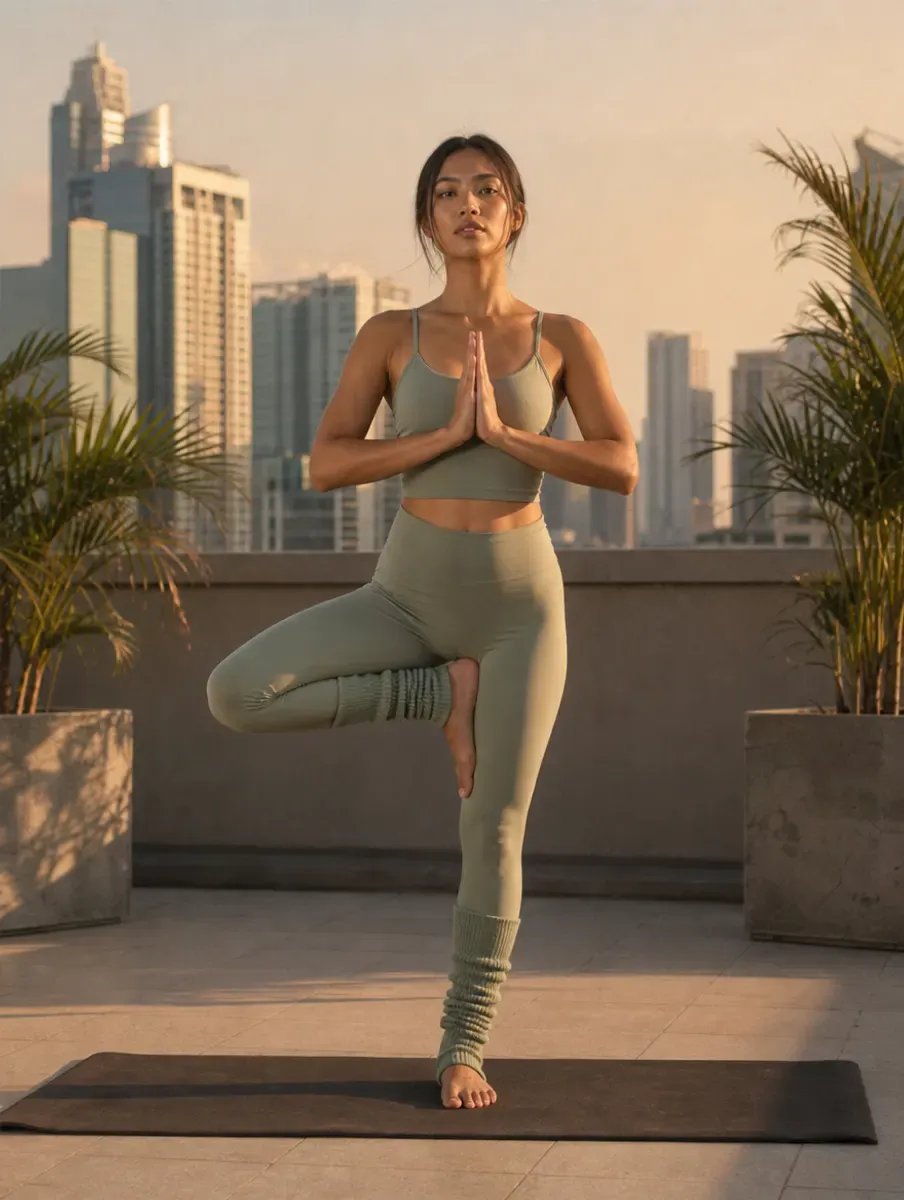
Tree Pose
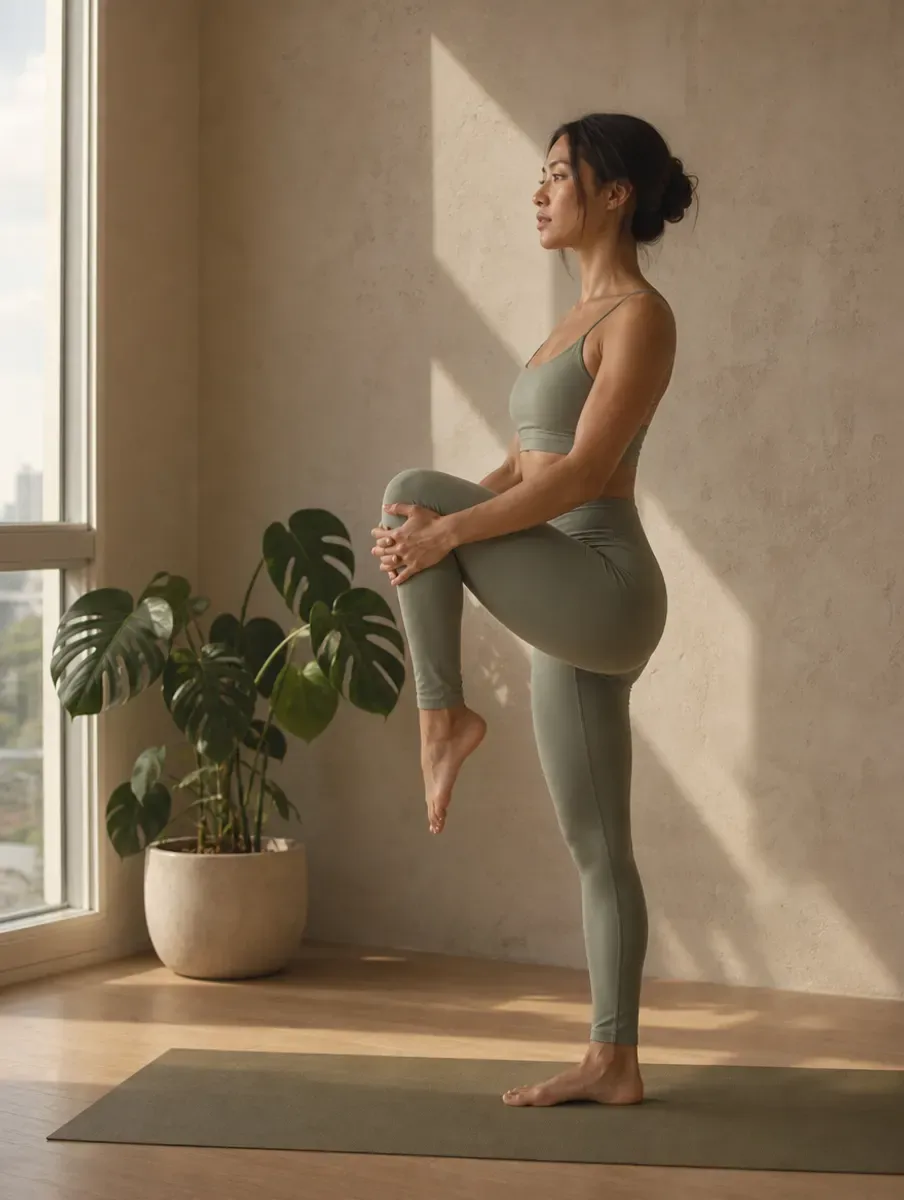
Flamingo Pose
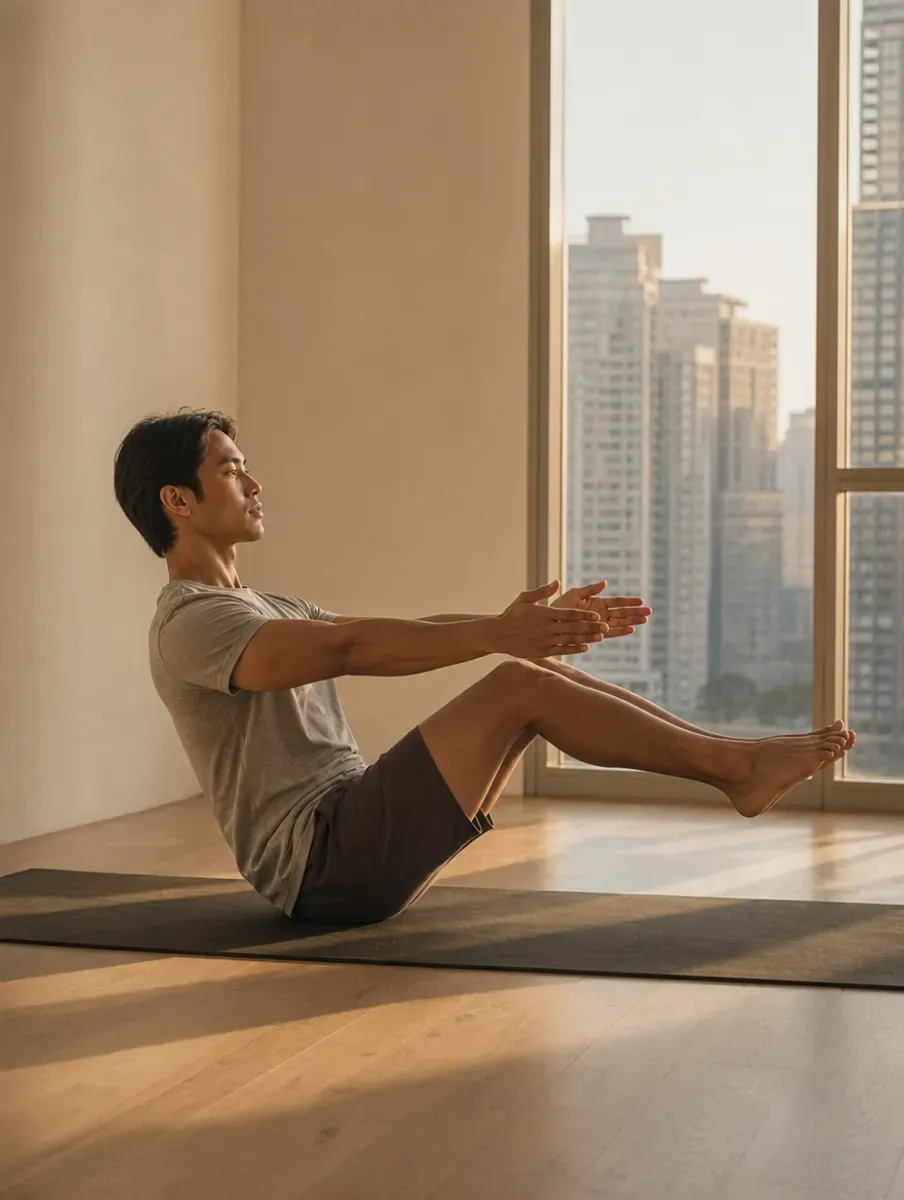
Boat Pose
Intermediate
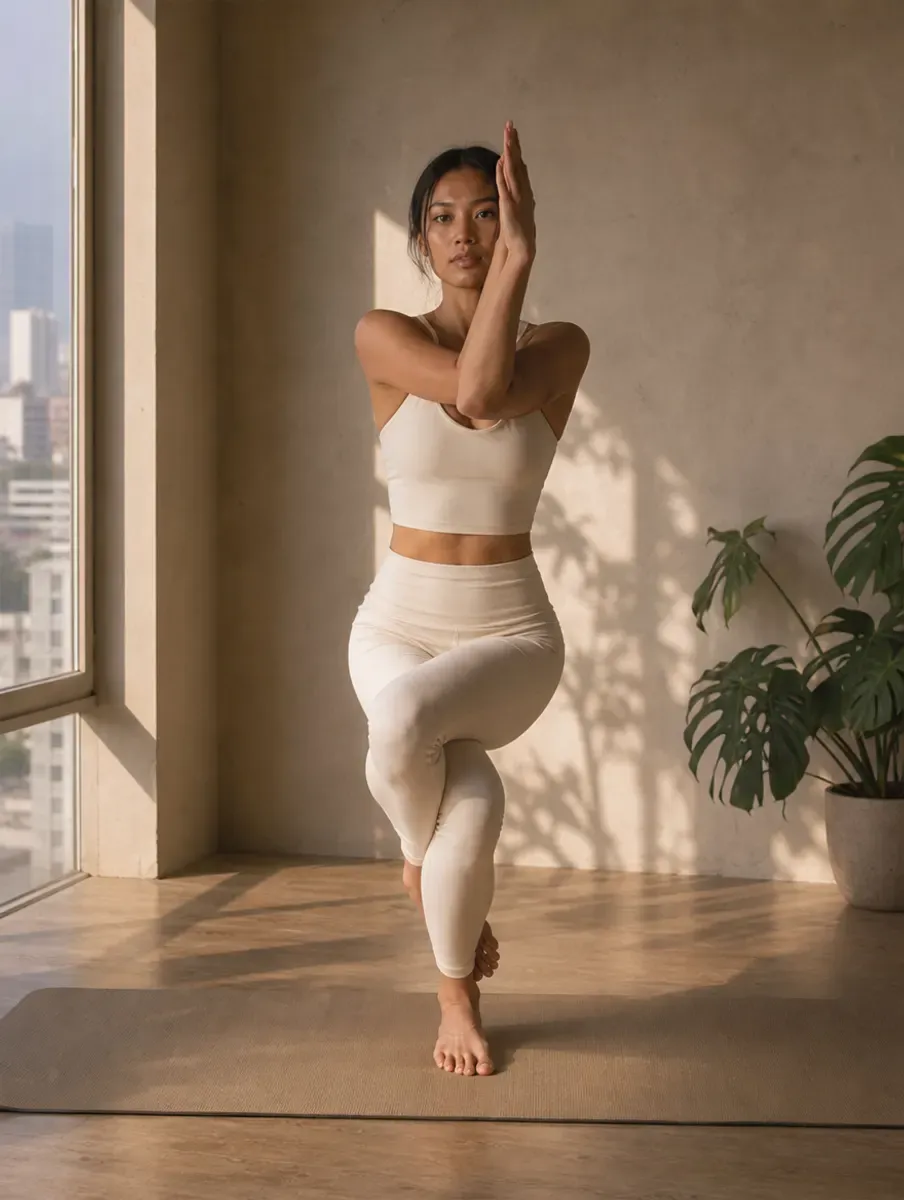
Eagle Pose
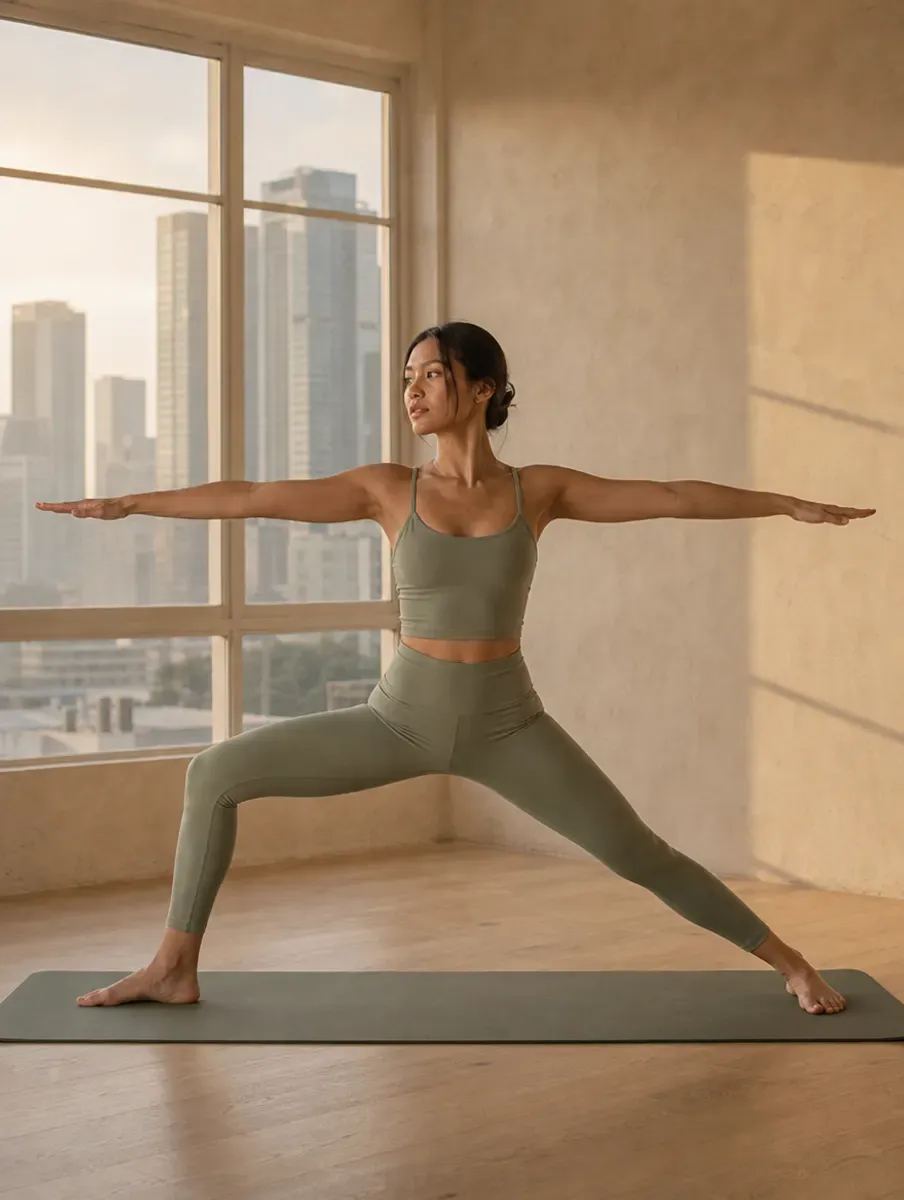
Warrior Poses
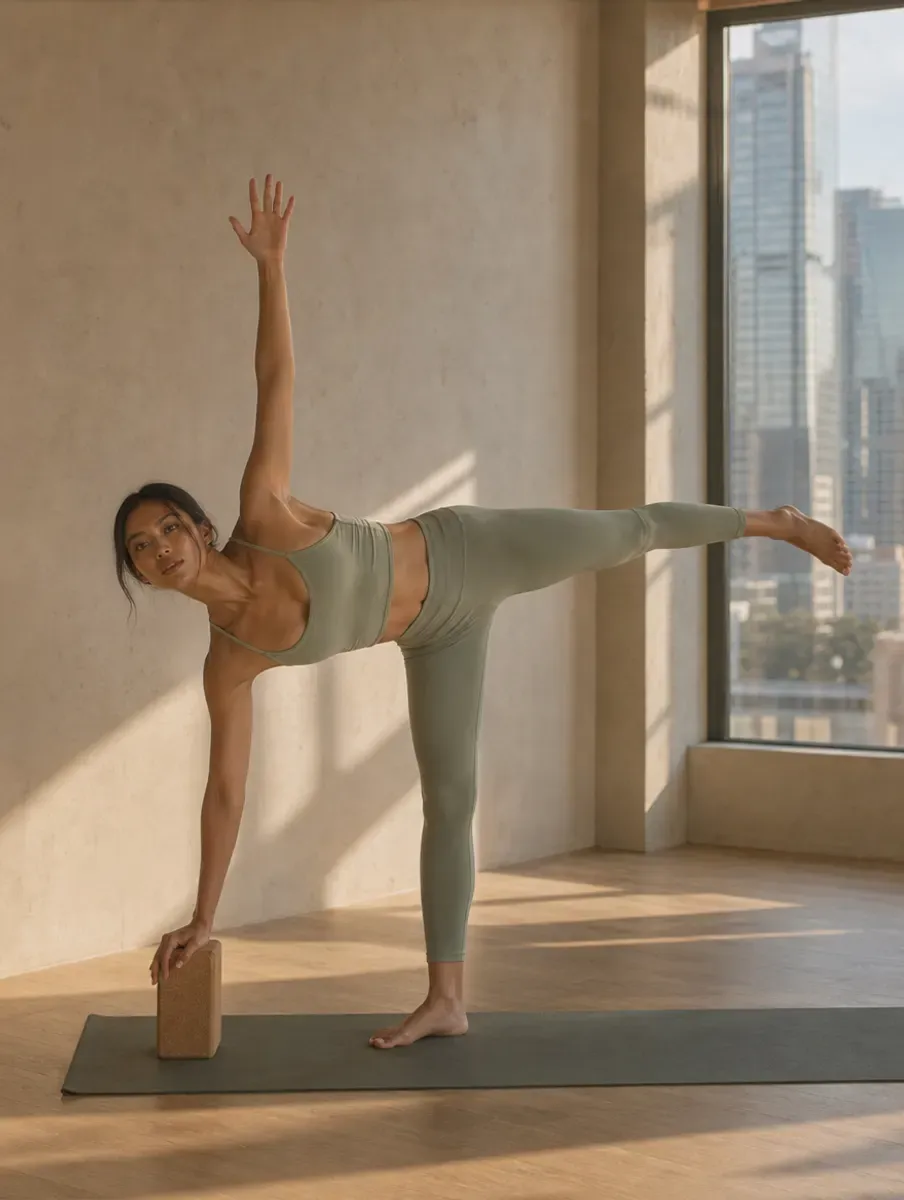
Half Moon Pose
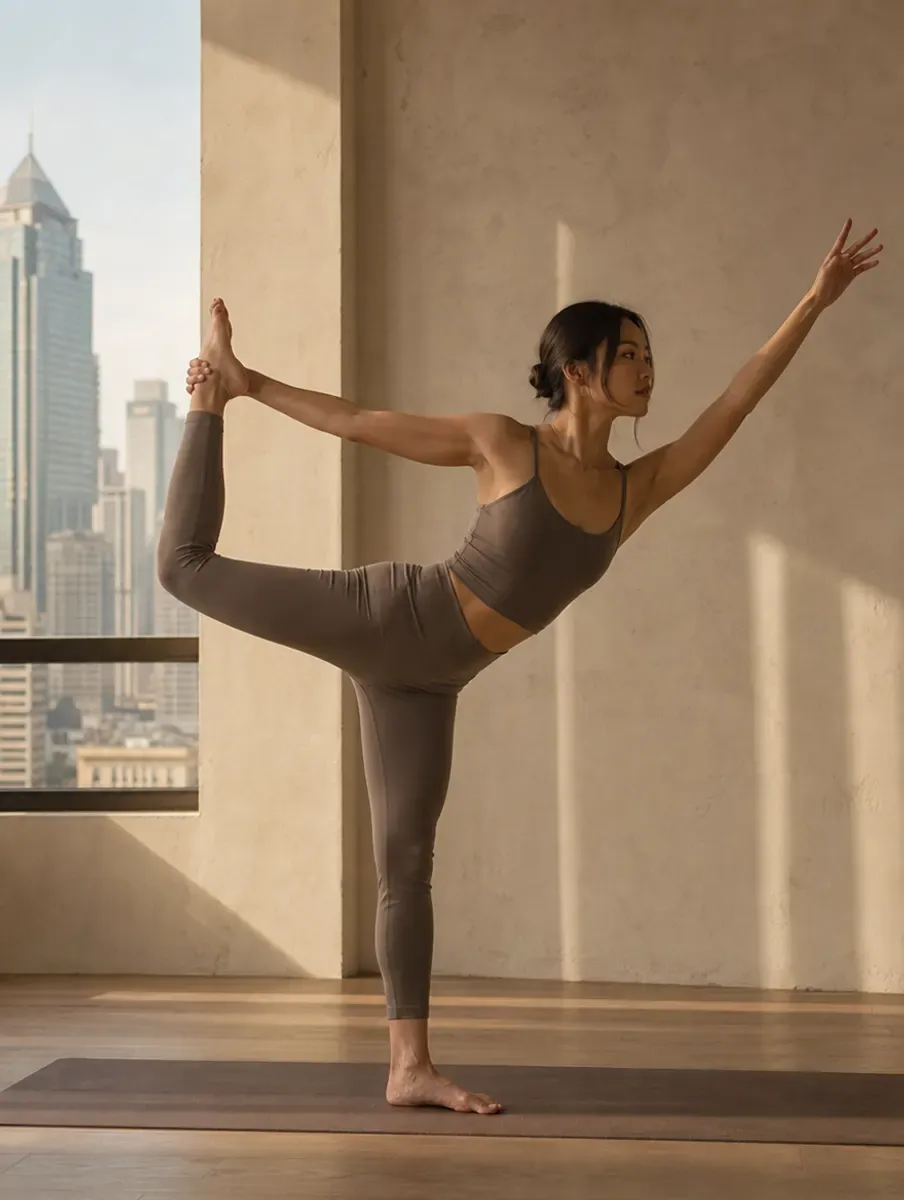
Dancer Pose
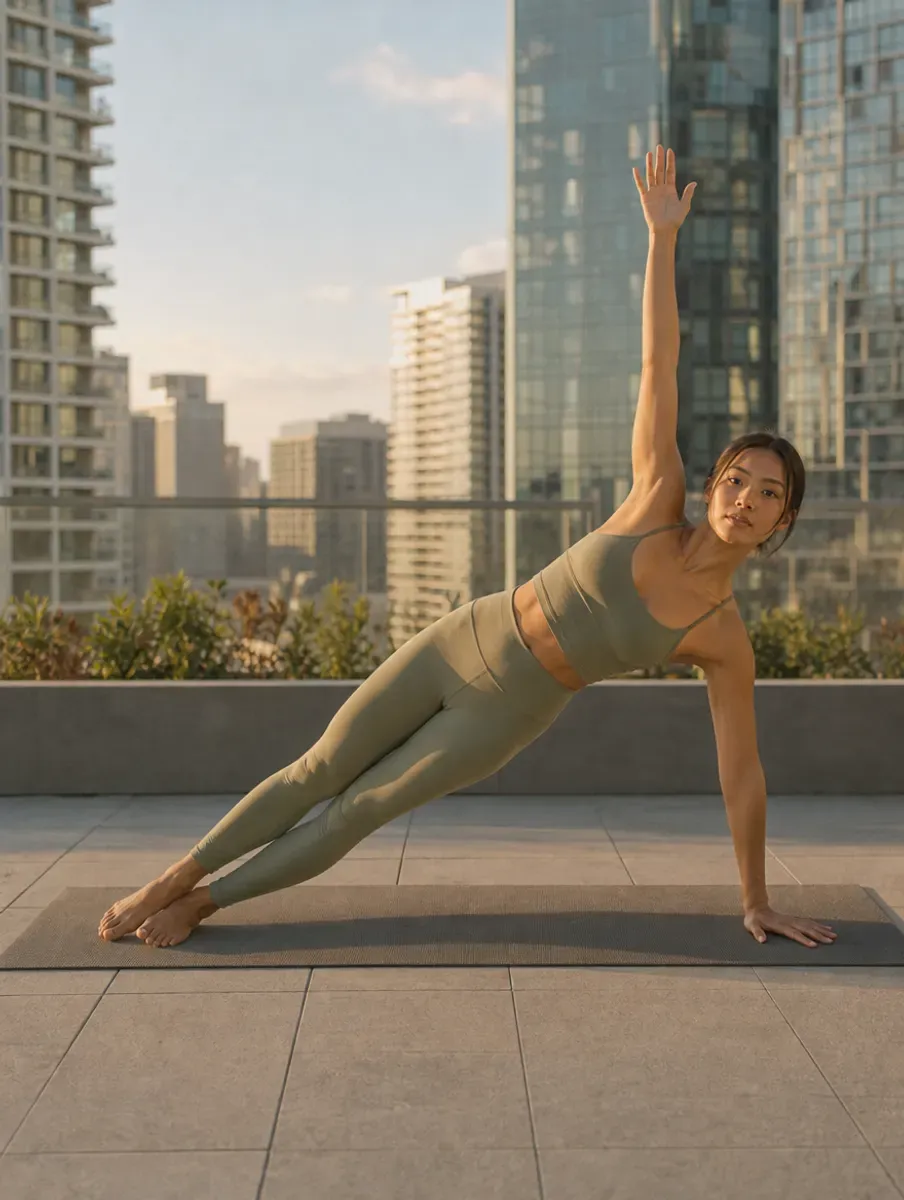
Side Plank
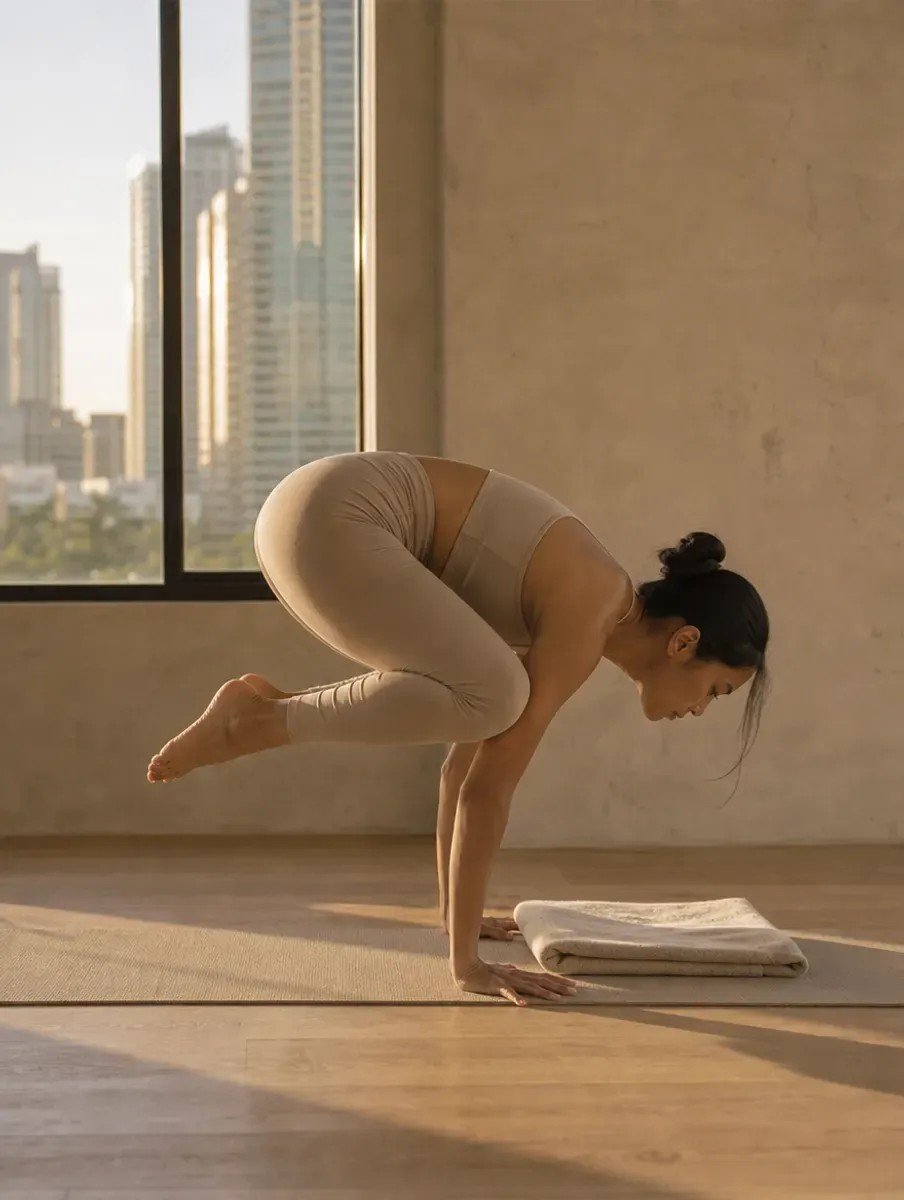
Crow Pose
Advanced
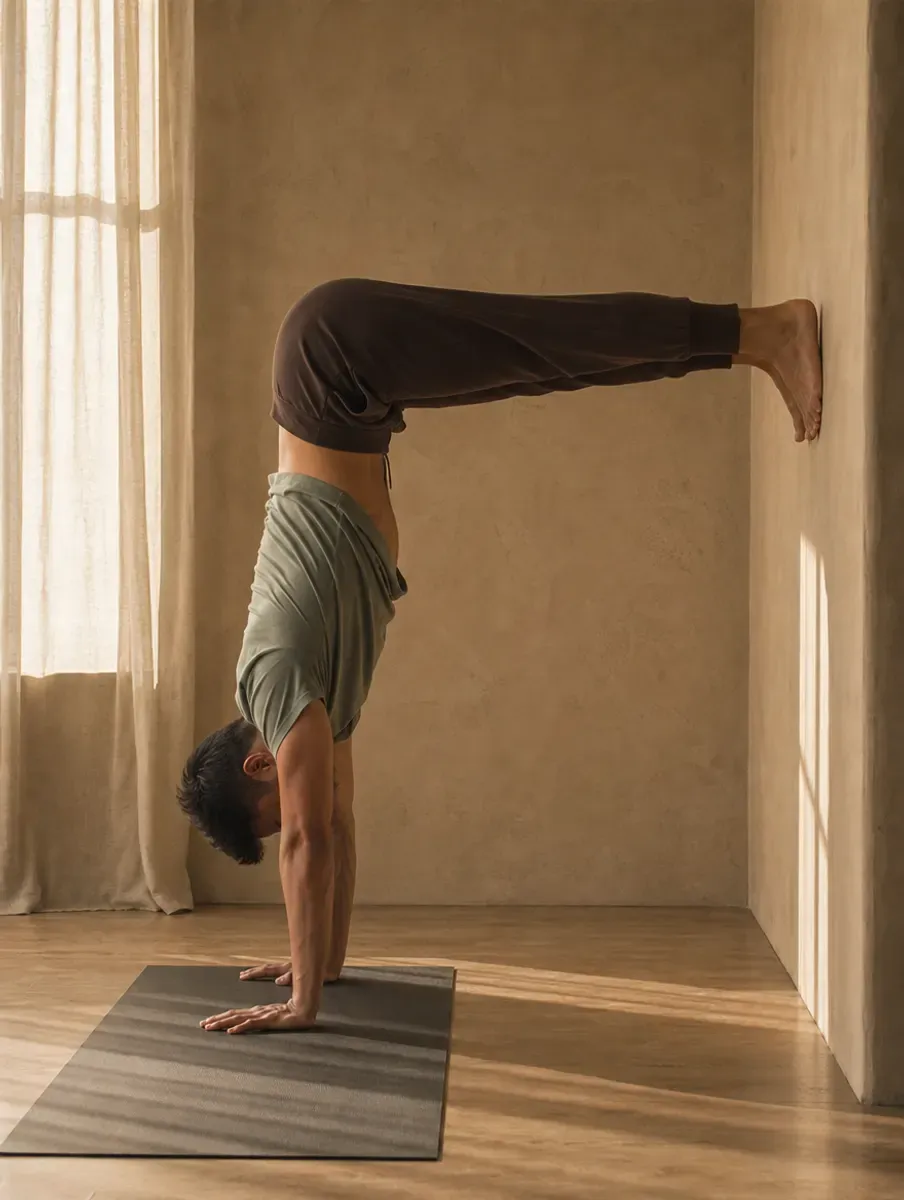
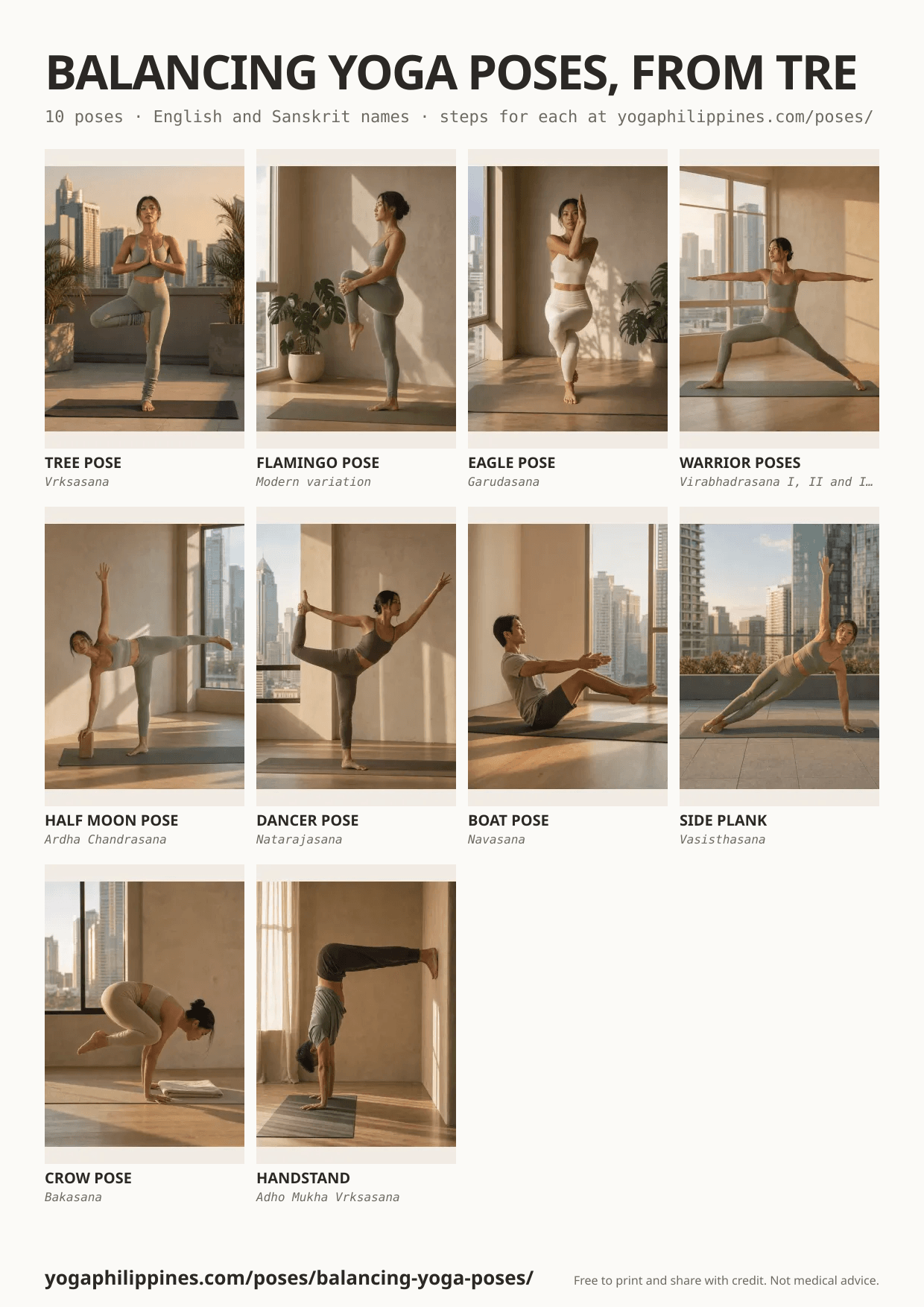
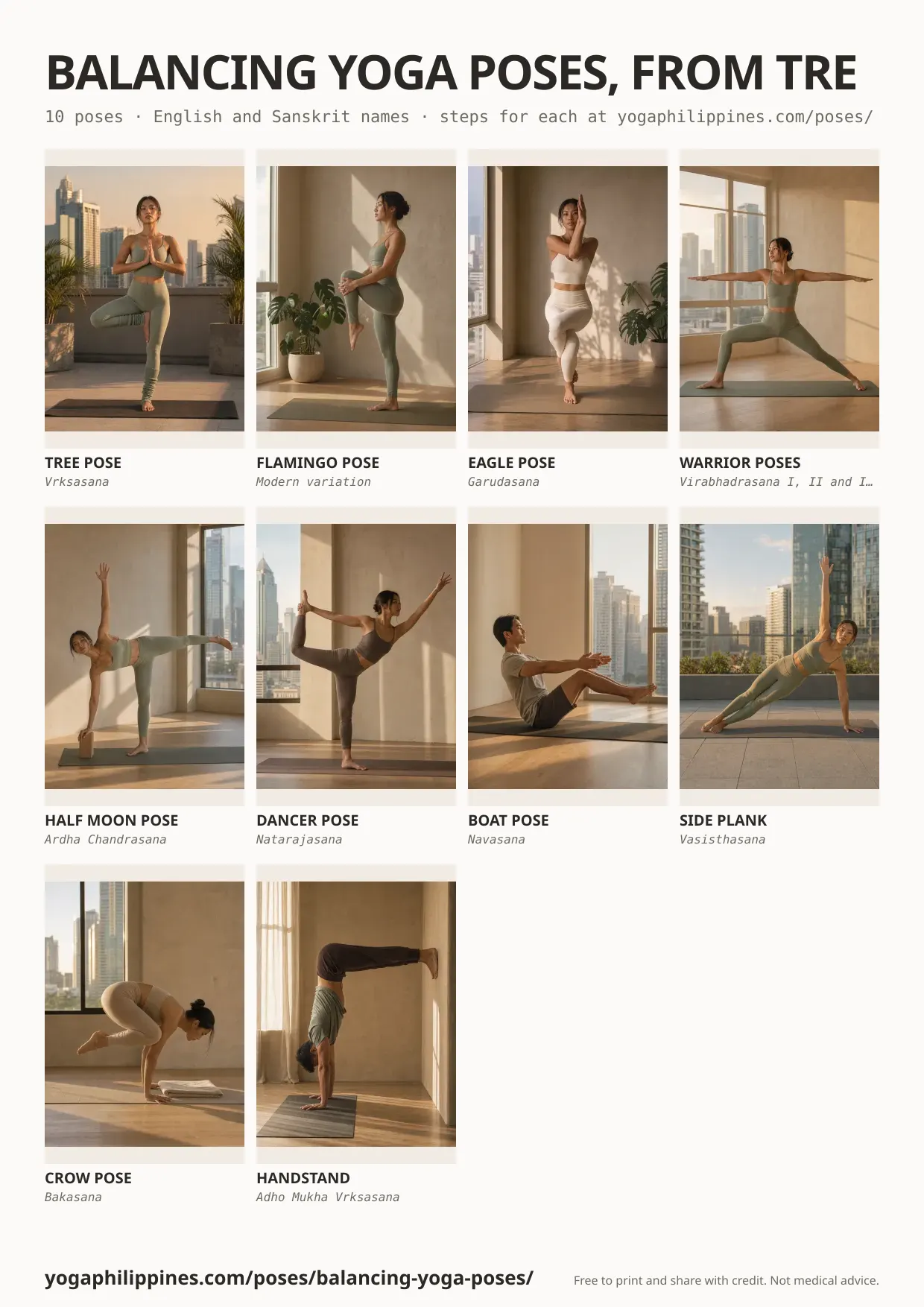
Chart licence: CC BY 4.0, free to reuse with credit to YogaPhilippines.com and a link. How to credit the chart.
Share or embed this chart
Free to print, share and embed with a link back. Copy this code:
<a href="https://yogaphilippines.com/poses/balancing-yoga-poses/"><img src="https://yogaphilippines.com/print/balancing-yoga-poses.png" alt="Balancing yoga poses, from Tree to Crow by YogaPhilippines.com" width="620"></a><br>Chart: <a href="https://yogaphilippines.com/poses/balancing-yoga-poses/">YogaPhilippines.com</a>
Balancing yoga poses train you to stay steady on a small base. Most of them stand on one foot, but a few balance on the hands or the sit bones, and all of them ask for the same three things: a fixed gaze, an active standing foot and a slow breath.
The standing balances also appear among the standing yoga poses, one card each, with two lines on how to come into each. This page gathers every kind of balance in one place, in order of difficulty, with a cue for staying up.
How do you get better at balancing yoga poses?
Spread the toes of the standing foot and feel the weight across the heel and the ball of the foot. Lift through the inner arch. Soften, but do not lock, the standing knee. Then pick your gazing point before you lift anything.
Practise near a wall and use it. Short holds of three to five breaths, repeated, build steadiness faster than one long, shaky attempt. Falling out is part of it: step down, reset and go again.
The standing balance sequence puts these shapes in a fifteen-minute order, and Tree Pose, Vrksasana has the full steps for the one most people learn first.
Which balances are harder than they look?
Half Moon and Dancer ask for balance while the body tips sideways or forward, which takes the eyes away from the horizon. Crow, Side Plank and Handstand move the balance onto the hands and wrists, and need strength as well as steadiness; the page on arm balances and how to build up to them covers those in more depth. For a one-page balance poses chart drawn as line figures, with a cue for each pose, see the printable yoga resources.
If you feel dizzy, have an inner-ear condition or have had falls, keep a chair or wall within reach and see a doctor before practising one-legged balances alone. Stop any balance that hurts a knee or ankle.
For shapes that are steady enough to hold for a camera, the guide to yoga photoshoot poses includes several of these.
The printable card set on this page shows each pose with its English and Sanskrit name.
Sources: Mayo Clinic, Fitness program: 5 steps to get started; NCCIH (US National Institutes of Health), Yoga: Effectiveness and Safety; PLoS One (Cramer et al., 2013), via PubMed Central, Adverse Events Associated with Yoga: A Systematic Review of Published Case Reports and Case Series; PLoS One (Jasien et al., 2015), via PubMed Central, Intraocular Pressure Rise in Subjects with and without Glaucoma during Four Common Yoga Positions. Last reviewed 2 October 2026.
Questions
Why is balance in yoga harder on some days?
Tiredness, a late night, caffeine, a busy mind and even the time of day all change how steady you feel. Balance varies from day to day for everyone, so a wobbly session is information, not failure.
Where should you look in a balancing pose?
At one point that does not move, a little ahead of you on the floor or at eye level on the wall. Teachers call this the drishti, the gazing point. Looking around the room is the quickest way to tip over.
Is it fine to use a wall for balancing poses?
Yes, and it is how most people learn them. A fingertip on the wall lets you find the shape and the alignment first. Take the hand away for a breath or two at a time as you get steadier.
Which style of yoga is best for practising balance?
Any style that includes standing poses gives you balance practice. Slower styles such as Hatha hold each balance for several breaths, which suits learning the shape and the gaze. Flowing styles such as Vinyasa move in and out of balances with the breath, which asks for steadiness on the move. Many people start slow and add flow later.
What do balancing yoga poses work on?
Balancing poses ask you to stay steady on a small base, so the feet, ankles and legs work constantly to make small corrections. Arm balances such as Crow and Side Plank add strength in the wrists, arms and middle of the body. All of them train focus, because a still gaze and a slow breath are what keep you up.
Updated