Pose collection · 16 poses
Advanced yoga poses, and the intermediate steps that lead to them
Advanced yoga poses include arm balances like Firefly, Eight Angle and Handstand, deep backbends like King Pigeon and Wheel, and inversions like Scorpion. Intermediate poses such as Crow, Side Plank, Dolphin, Camel and Headstand build the strength and range for them. Learn them in that order, with a teacher, over months.
Intermediate
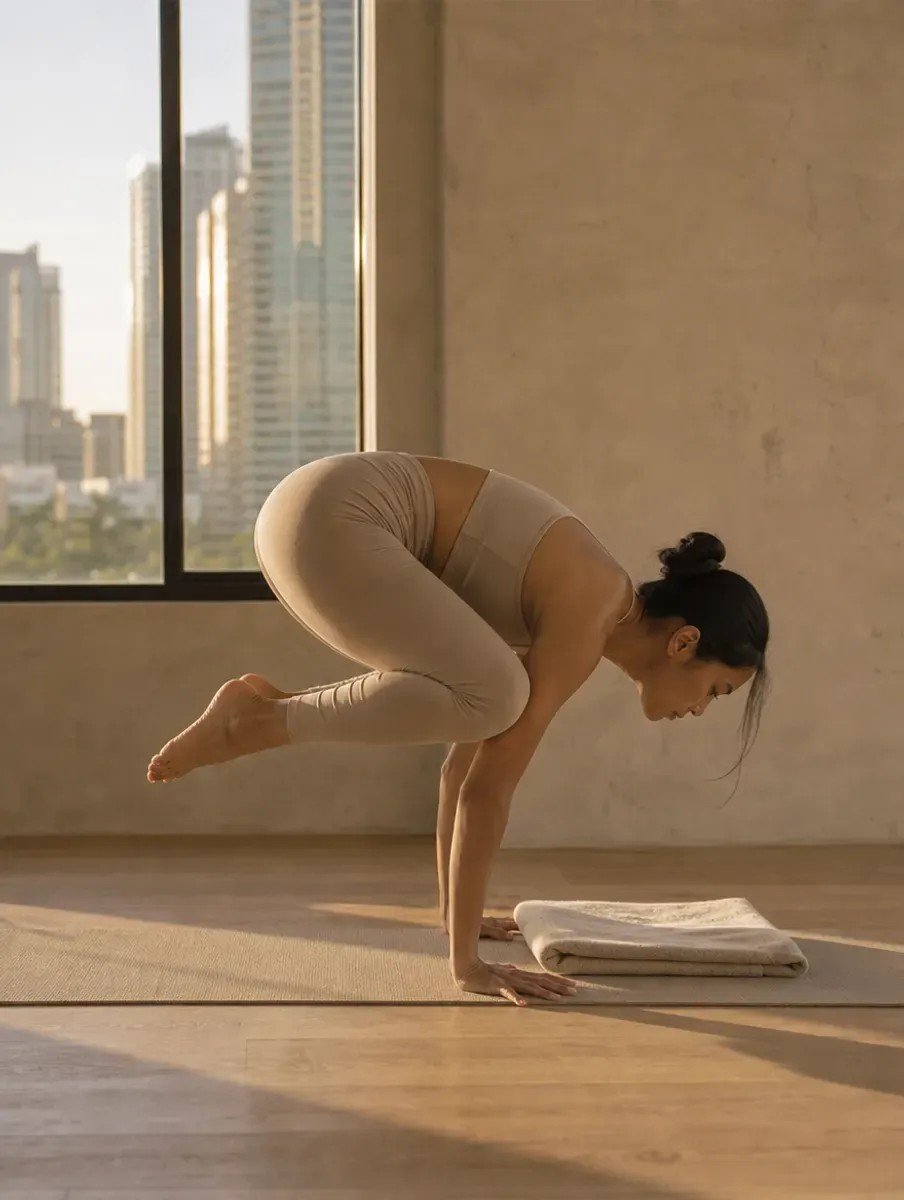
Crow Pose
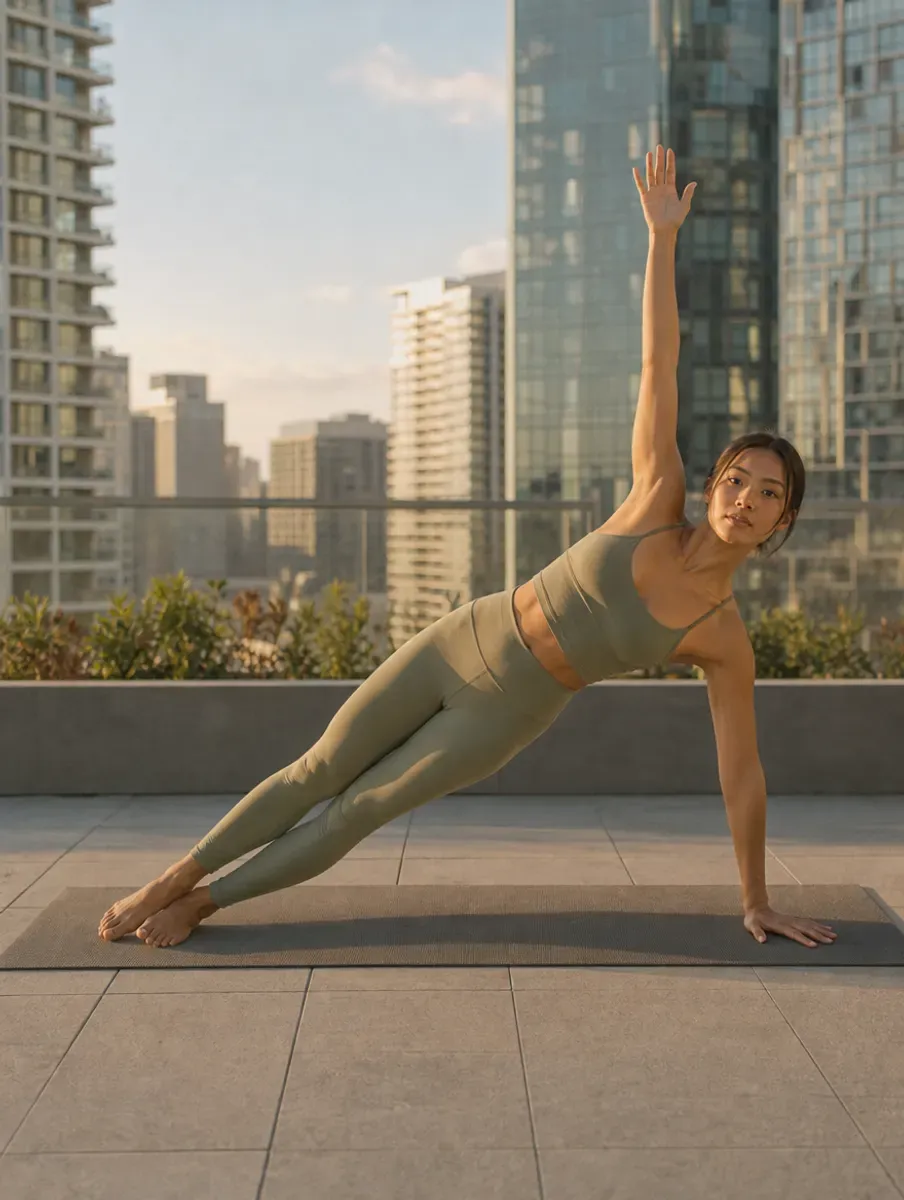
Side Plank
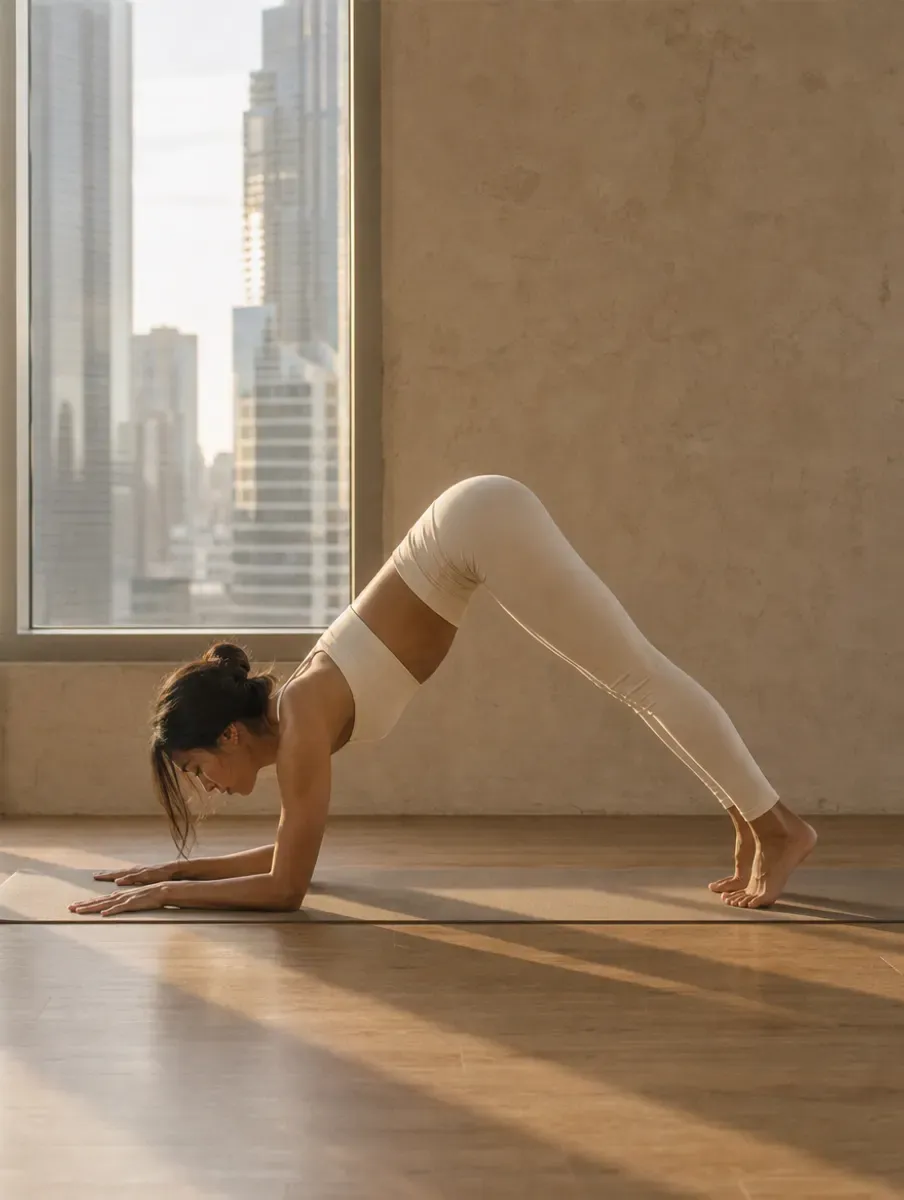
Dolphin Pose
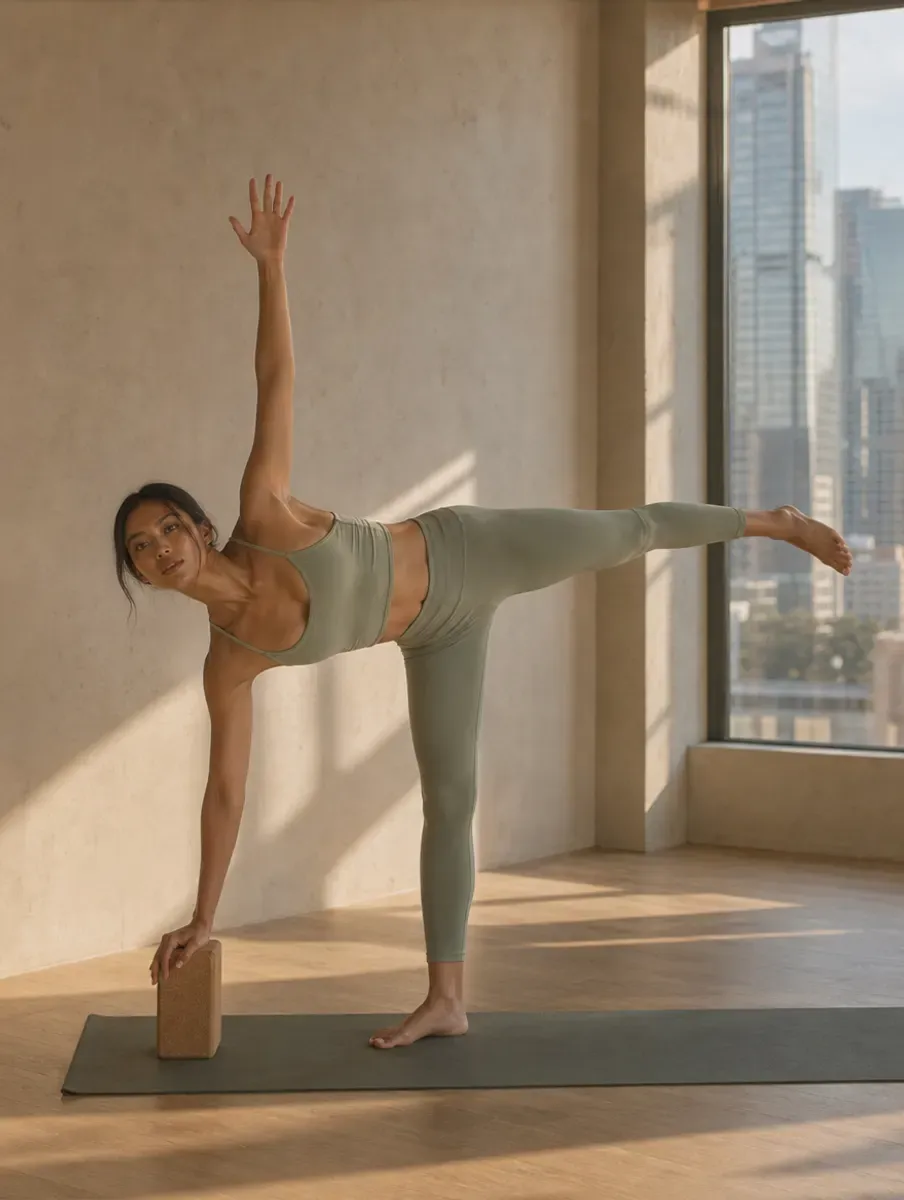
Half Moon Pose
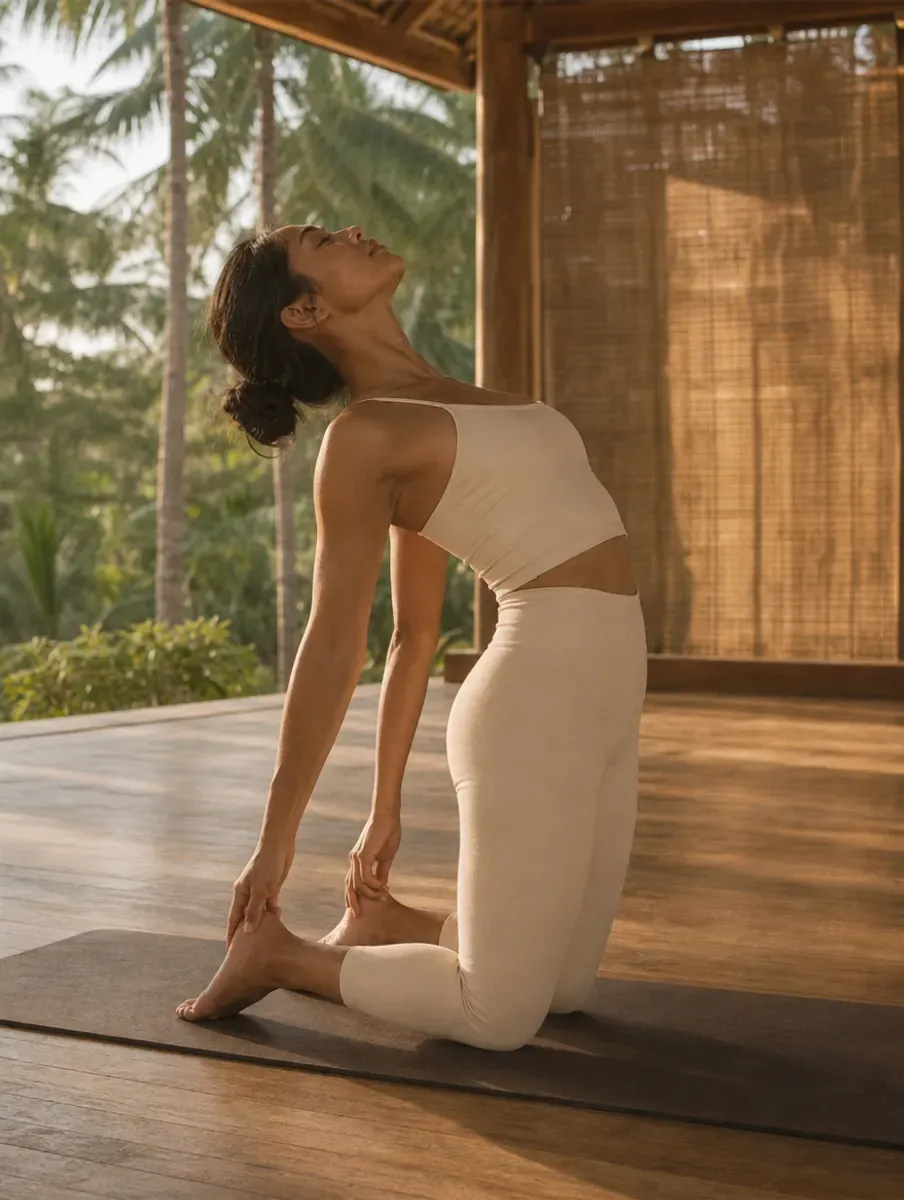
Camel Pose
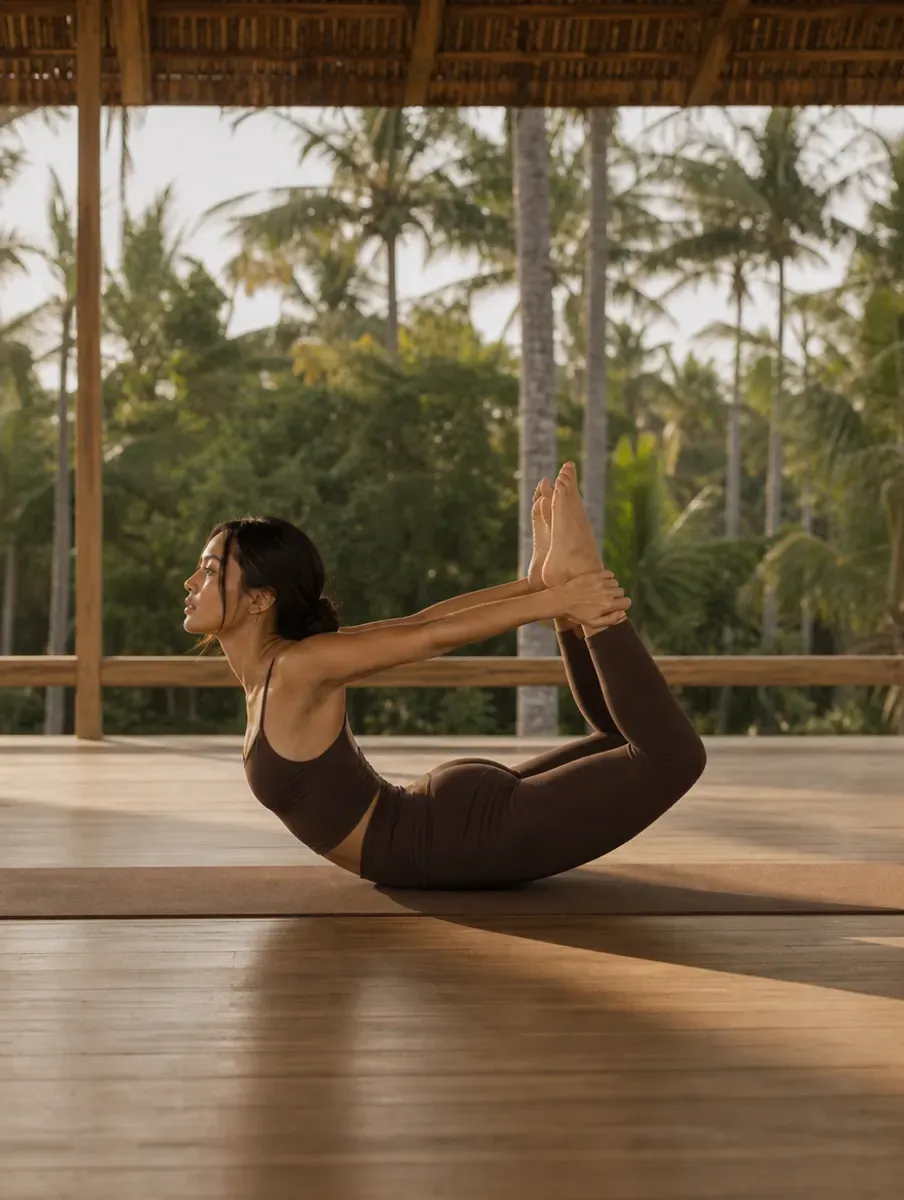
Bow Pose
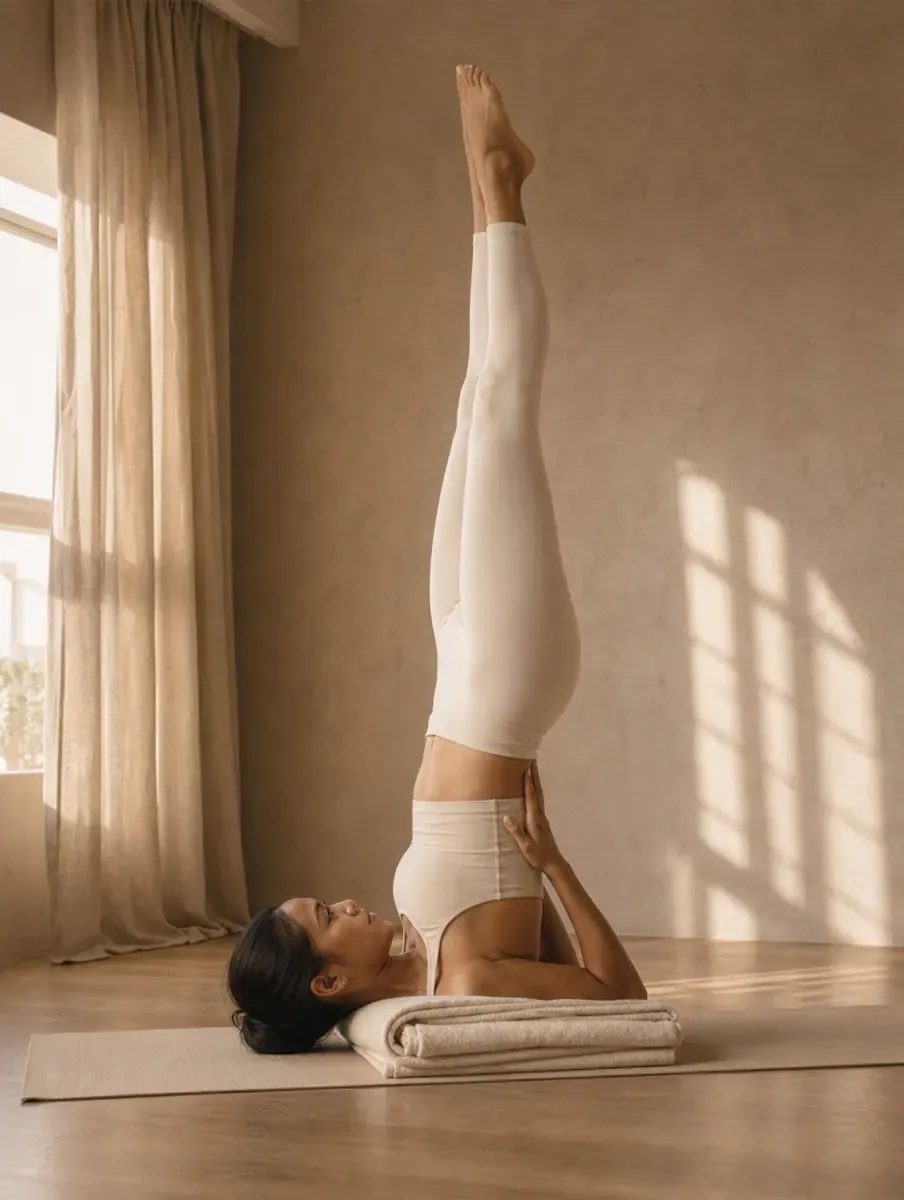
Shoulder Stand
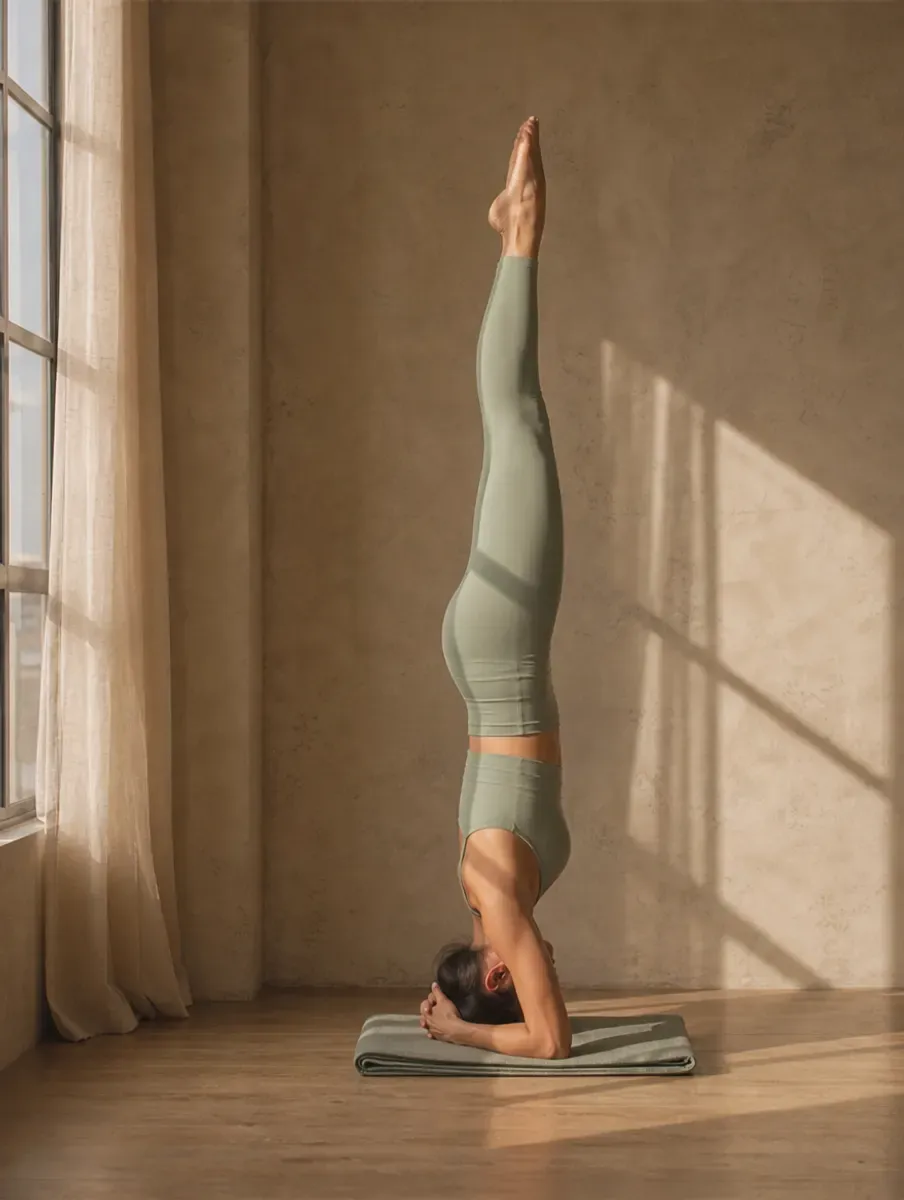
Headstand
Lotus Pose
Advanced
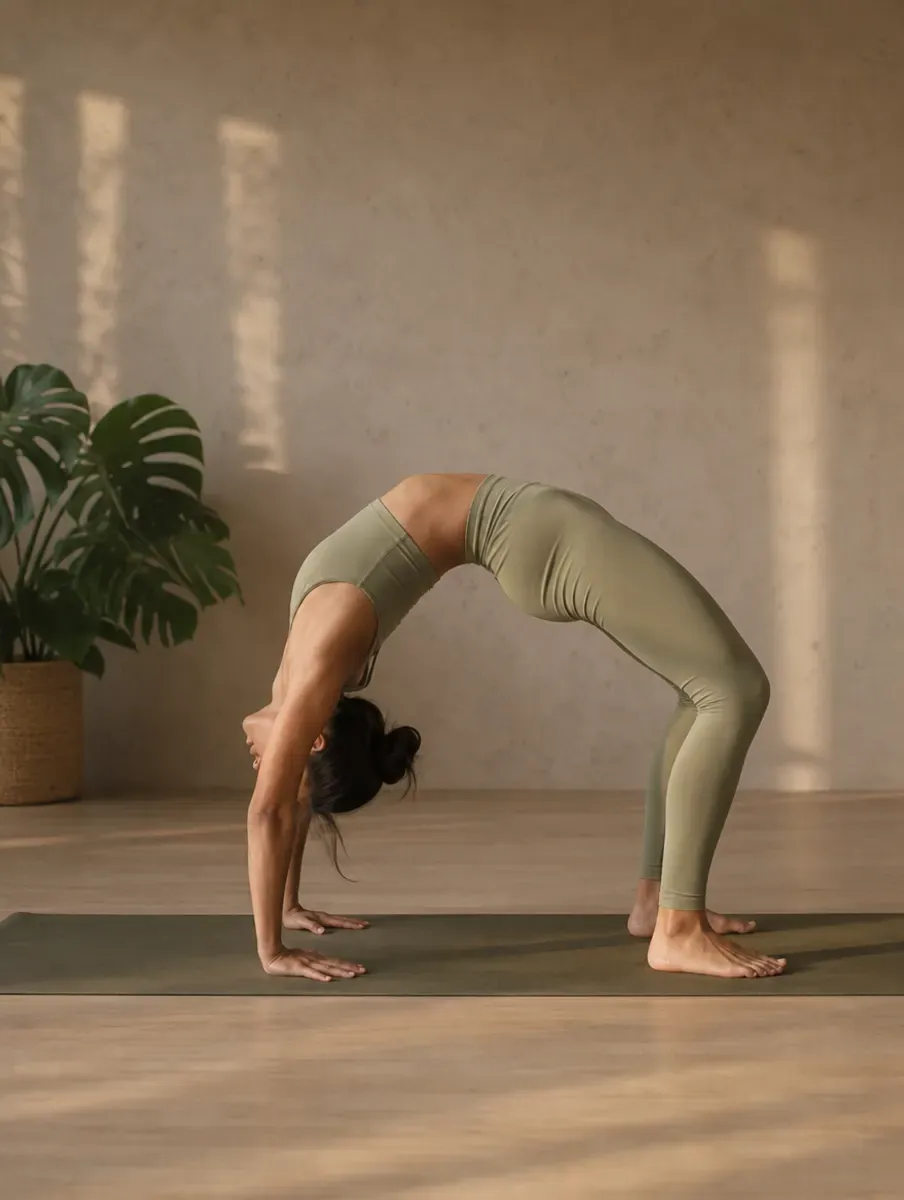
Wheel Pose
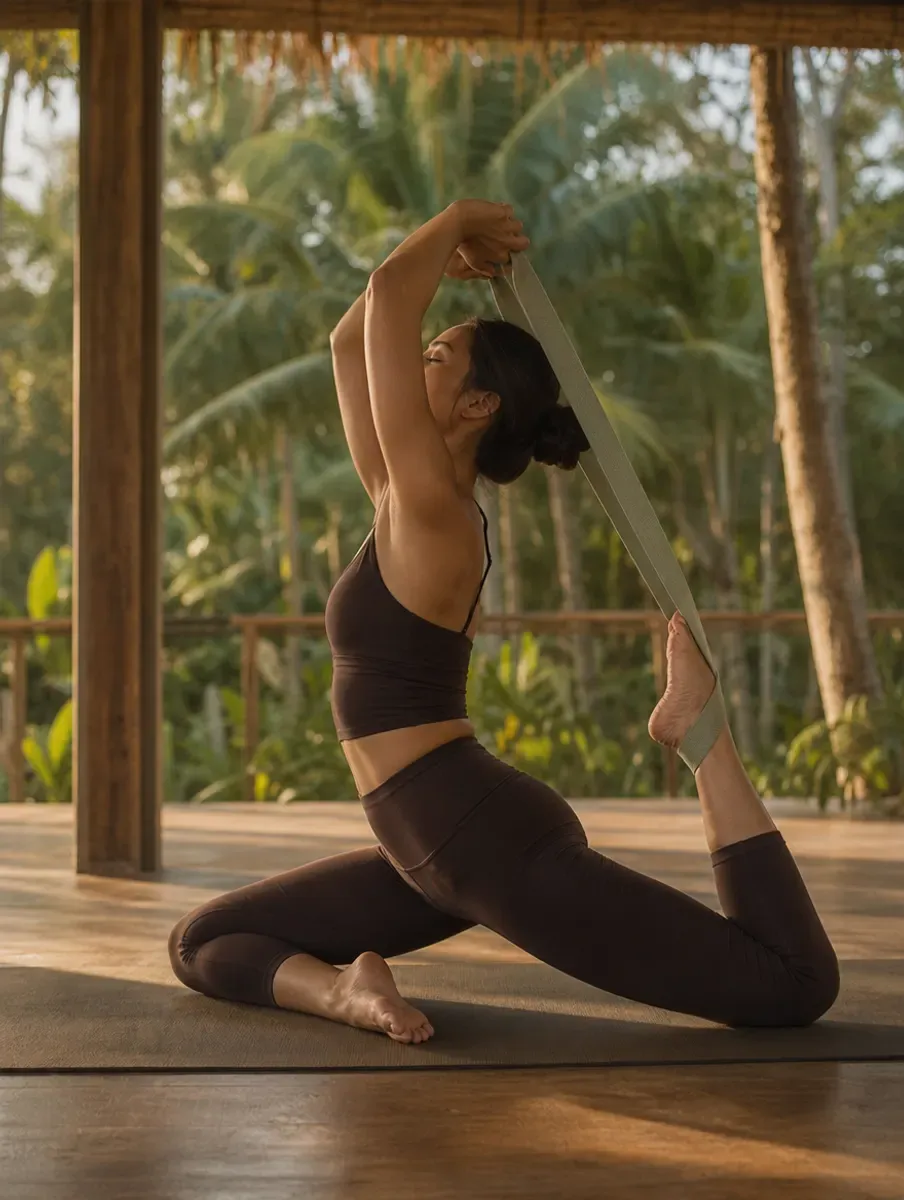
King Pigeon Pose
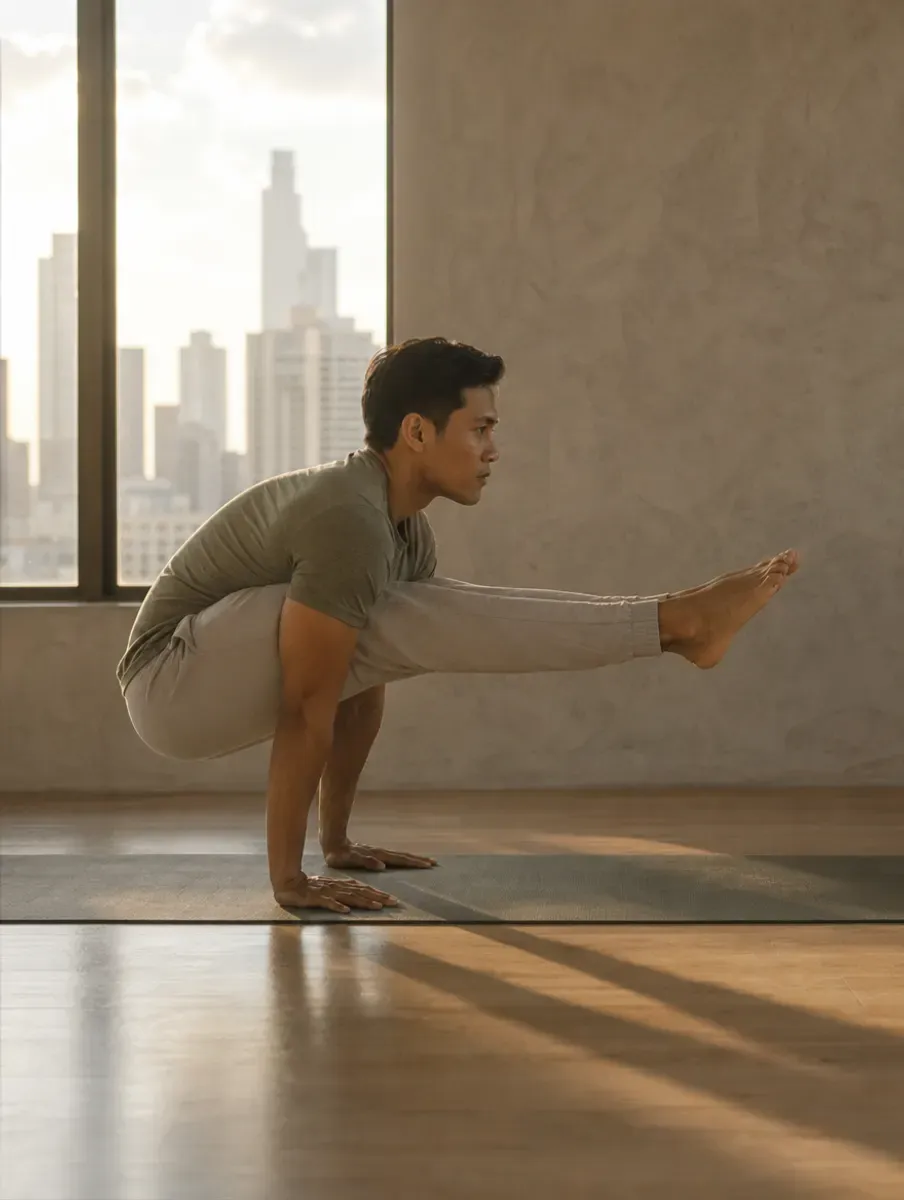
Firefly Pose
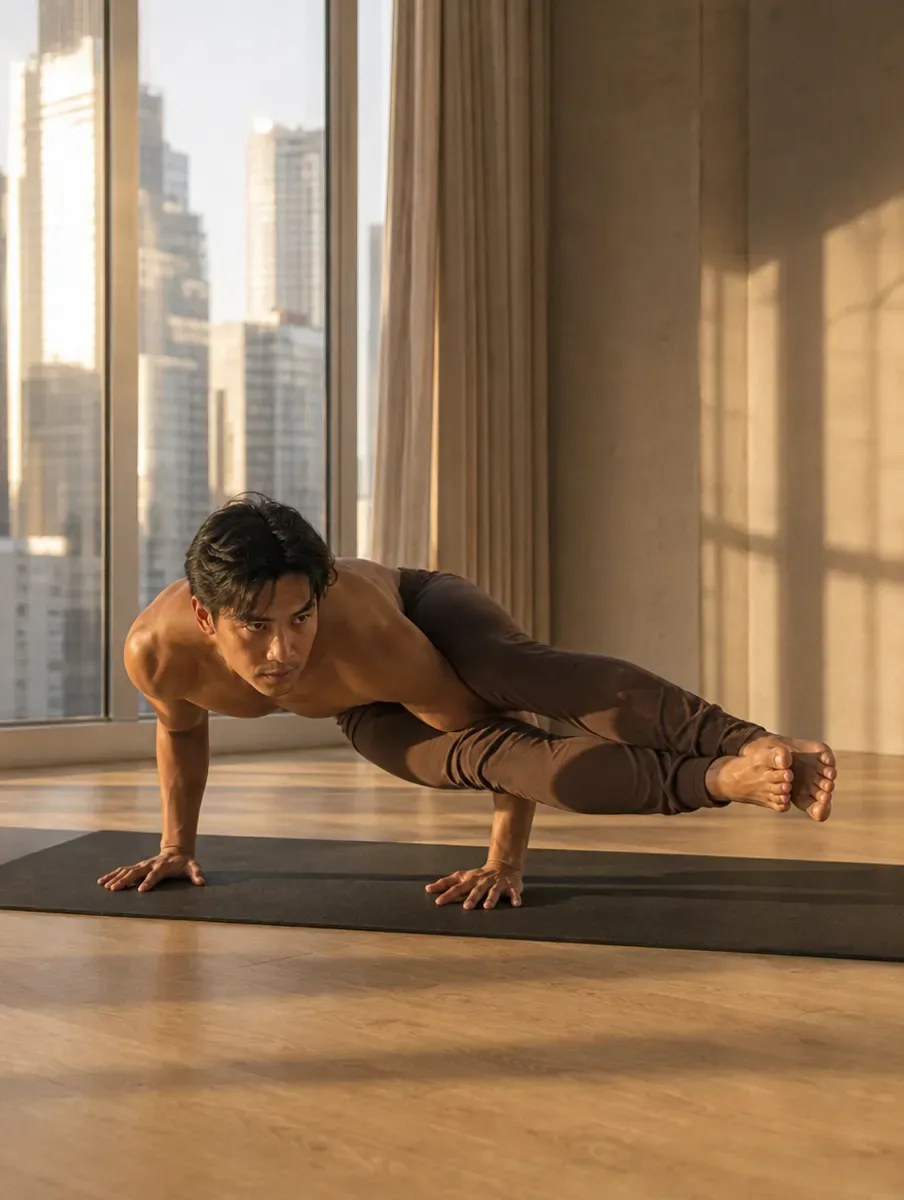
Eight Angle Pose
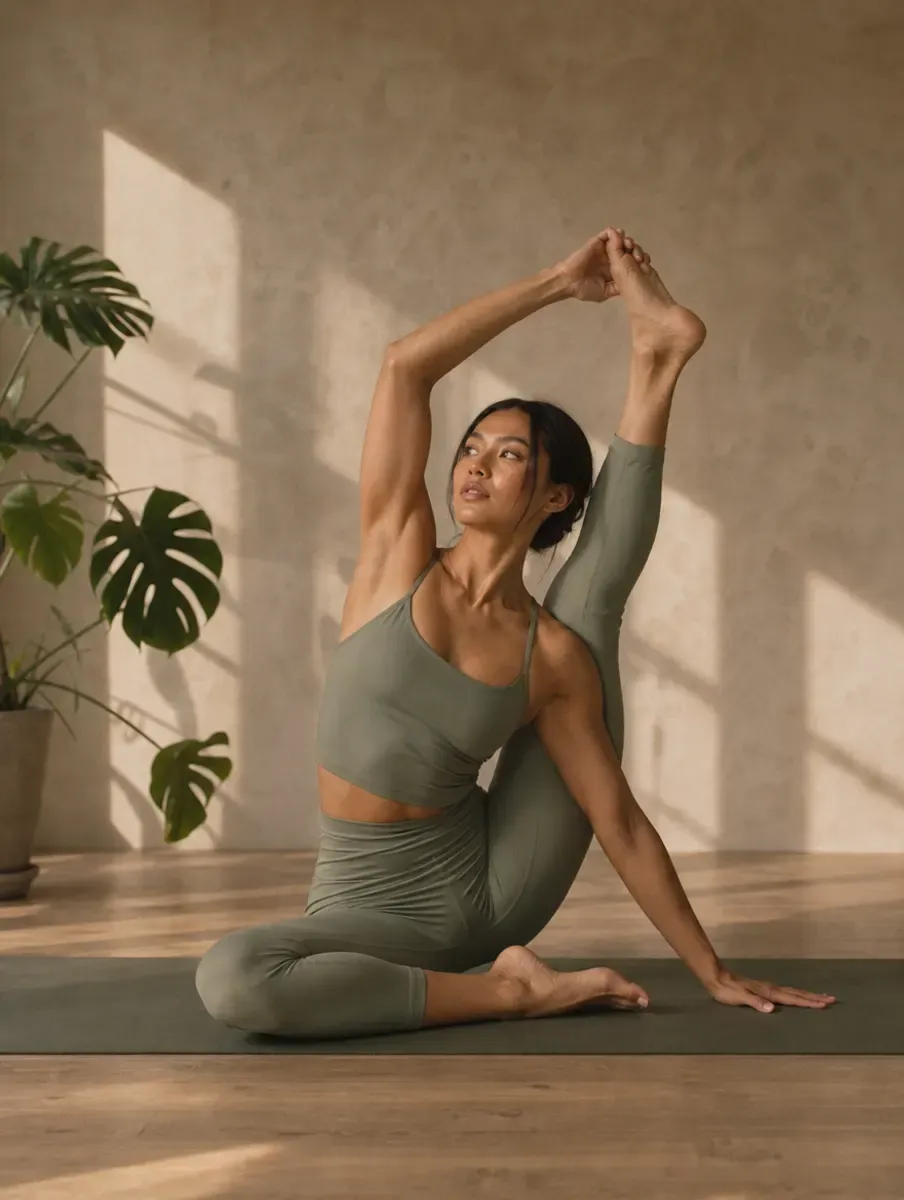
Compass Pose
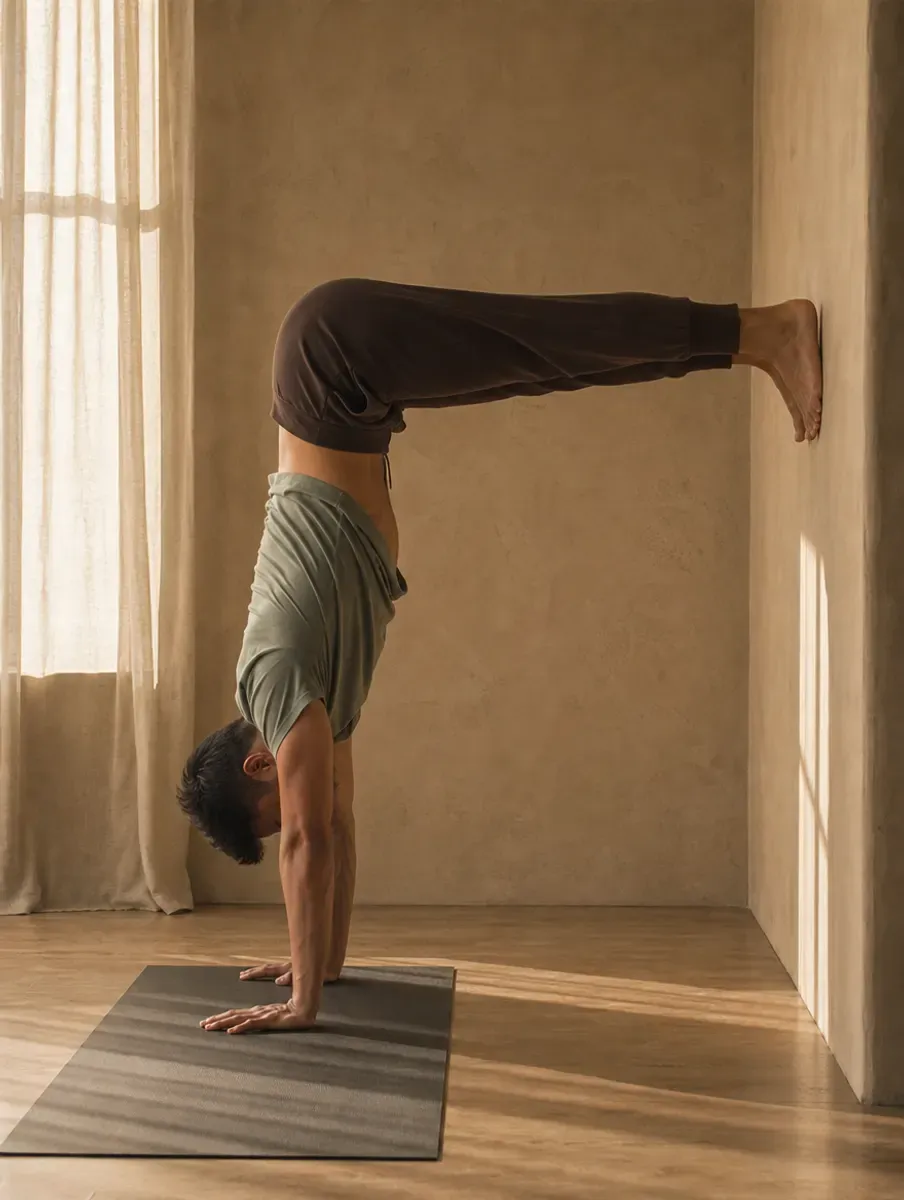
Handstand
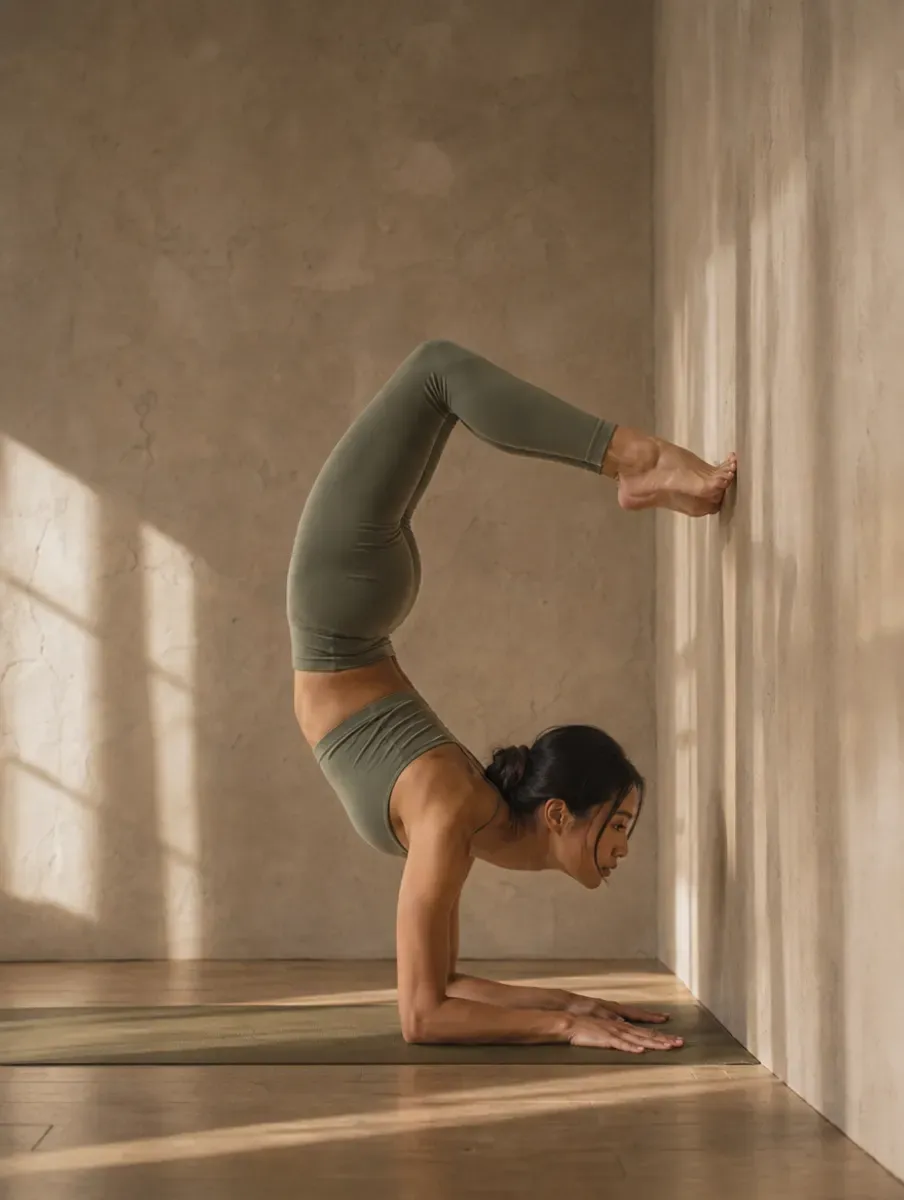
Scorpion Pose
Advanced yoga poses are the shapes that combine strength, range of movement and balance at once: the arm balances, the deep backbends and the inversions you see in photographs. They are the end of a long road, and the poses that lead to them are worth more of your attention than the poses themselves.
This page lists them with a level. Intermediate poses come first, because each advanced shape grows out of one or two of them. If you are still building the basics, the guide to yoga poses for beginners explains which shapes to leave for later and why.
How do you progress from intermediate to advanced yoga poses?
Pair each goal with its foundation. Crow and Side Plank lead to Firefly and Eight Angle. Dolphin and Headstand lead to Handstand and forearm balances. Bow, Camel and Bridge lead to Wheel and King Pigeon. When the foundation pose is steady for five calm breaths, start the next one in its easiest version. Half Lotus leads to full Lotus in the same way, and comparing Half Lotus with full Lotus sets out the steps between them.
Warm up properly first, with Sun Salutations and the hips and shoulders moving. Use a wall, blocks and padding. Practise the hard shapes early in a session, while you are fresh, and stop while you still have something left.
Crow Pose, Bakasana is the usual first step, and the page on arm balance yoga poses sets the hand balances in order. For the full backbend, see Wheel Pose, Urdhva Dhanurasana. If you want a hard pose for the camera, the guide to yoga photoshoot poses you can hold safely explains why the one you already know usually looks better.
When should you learn hard yoga poses with a teacher?
For anything upside down or anything with a deep backbend, from the start. Headstand and Shoulder Stand put weight through the neck, and a fall from an arm balance can hurt the face, wrists or shoulders. A teacher can spot you, check your setup and tell you when a shape is not yet right for your body.
Skip inversions if you have high blood pressure, glaucoma, a neck injury or are pregnant, unless your doctor agrees. Stop any pose that causes sharp pain in the wrists, lower back, knees or neck. For a steadier base before any of this, the balancing yoga poses build the control these shapes need.
Sources: Mayo Clinic, Fitness program: 5 steps to get started; NCCIH (US National Institutes of Health), Yoga: Effectiveness and Safety; PLoS One (Cramer et al., 2013), via PubMed Central, Adverse Events Associated with Yoga: A Systematic Review of Published Case Reports and Case Series; PLoS One (Jasien et al., 2015), via PubMed Central, Intraocular Pressure Rise in Subjects with and without Glaucoma during Four Common Yoga Positions. Last reviewed 2 October 2026.
Questions
What makes a yoga pose advanced?
Usually a combination of strength, range of movement and balance in one shape, plus more risk if you fall or force it. A pose is advanced for you when the poses that lead to it are not yet steady, whatever its label.
What is the hardest yoga pose?
There is no single answer, because bodies differ: a flexible person may find arm balances hardest and a strong one may struggle with backbends. Forearm and hand balances with a deep backbend, such as Scorpion, are among the hardest shapes commonly taught.
How long does it take to learn advanced yoga poses?
Months to years, and some shapes may never suit a particular body. Regular practice of the intermediate poses on this page, with a teacher checking your setup, is what moves you towards them.
Updated