Philosophy
Moksha, liberation
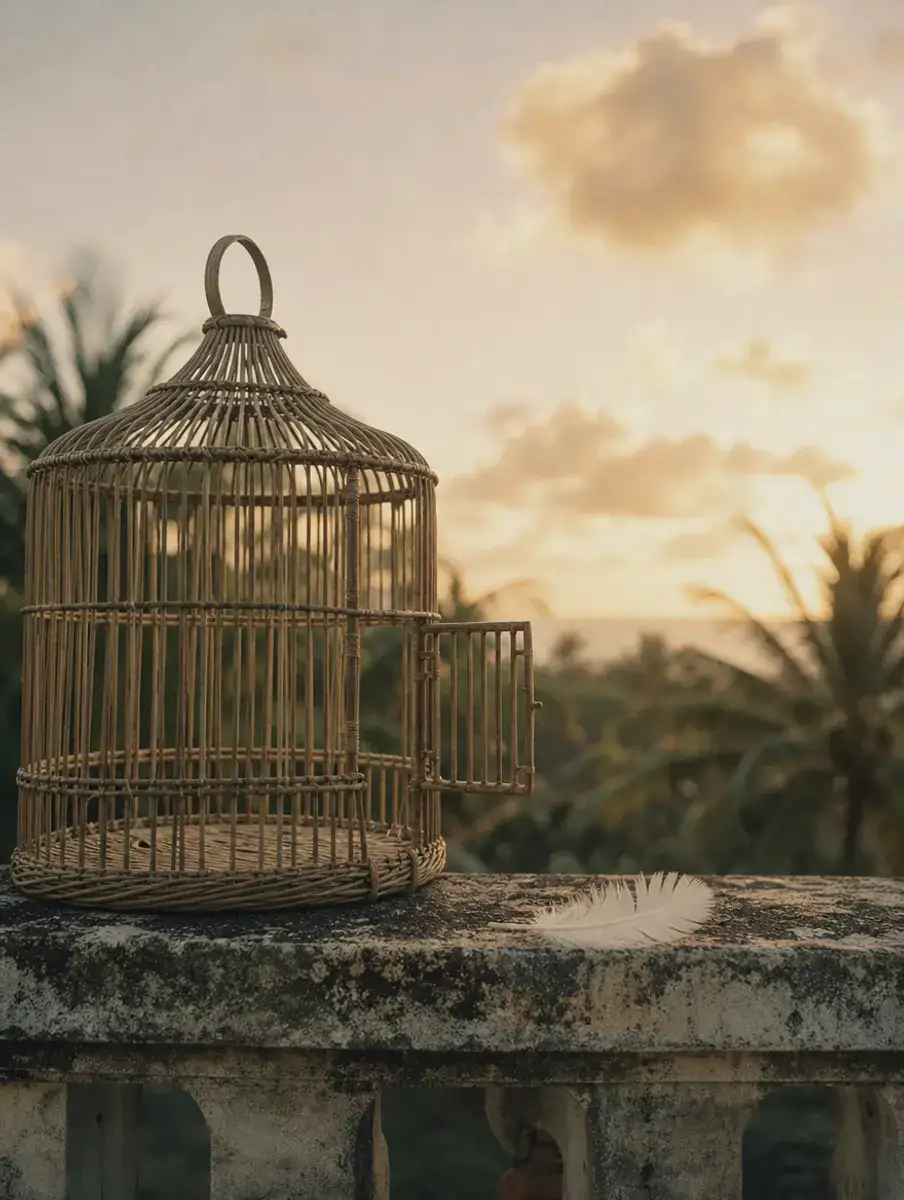
Moksha is a Sanskrit word for liberation or release: freedom from samsara, the cycle of birth, death and rebirth. It comes from the root muc, to let go. Hindu traditions count it as the highest of the four aims of life, and Jain and Buddhist traditions describe their own forms of liberation.
Basahin sa Filipino: ang paliwanag sa Tagalog
Moksha means liberation: release from samsara, the round of birth, death and rebirth that Indian traditions describe. The word comes from the Sanskrit root muc, to free or let go, and a closely related form, mukti, is used in the same sense.
It is one of the central ideas behind yoga as a spiritual discipline. The postures, breathing and meditation of the old texts were means to this end.
Where does the idea of moksha come from?
The early Vedic hymns are mostly concerned with this world and the next: offerings, prosperity and a good afterlife. The idea of escaping rebirth altogether comes into focus in the philosophical Upanishads, from roughly the seventh century BCE onward. They link it with karma, the principle that actions bear results, which keeps a person returning to new lives.
For the Upanishads, liberation comes through knowledge. A person who realises that the inner self, atman, is one with brahman, the ground of everything, is freed. The Brihadaranyaka Upanishad sums this up in the short line aham brahmasmi, in which the speaker identifies the self with brahman.
Later Hindu thought placed moksha as the fourth and highest of the purusharthas, the aims of human life, after dharma, artha and kama. The schools of Vedanta then argued for centuries about what liberation is and whether the freed self remains distinct from the divine.
How do the Gita and the Yoga Sutras describe it?
The Bhagavad Gita offers several roads to liberation, through action, knowledge, devotion and meditation, and its last chapter is traditionally titled the yoga of liberation through renunciation. Its message is that moksha does not require leaving the world: action done without attachment to its results does not bind.
Patanjali’s Yoga Sutras use a different word, kaivalya, for the final state. The last chapter describes awareness standing alone, free of everything it has been watching. The eight limbs, ending in samadhi, deep absorption, are the method that leads there.
How do Jain and Buddhist traditions understand liberation?
In Jainism, moksha is the release of the soul, the jiva, from the karmic matter that binds it, through right faith, right knowledge and right conduct. A liberated soul, a siddha, is said to rise to the top of the universe and remain there in perfect knowledge. The Tirthankaras, such as Mahavira, are honoured as those who reached it and taught the way.
Buddhist teaching speaks of nirvana, the blowing out of craving, and of vimutti, release. It shares the goal of ending rebirth but rejects the idea of a permanent self that is freed. The Buddha taught the Noble Eightfold Path as the way, and the comparison of moksha and nirvana sets the two ideas side by side.
How does Sikhism understand mukti?
Sikh teaching uses the word mukti and places liberation within a life of devotion and service rather than renunciation. The Guru Granth Sahib speaks of release through remembrance of the divine Name, nam simran, honest work and sharing with others, and it values the jivan mukt, a person liberated while still living an ordinary life in the world.
How do the traditions compare?
Each tradition names the goal in its own way, from moksha and mukti to kaivalya and nirvana, and each sets out its own path towards it. They share the idea of release from the cycle of rebirth but differ on what is freed and how. For a closer look at where they part ways, see the two ideas side by side.
Is moksha the same as heaven?
No, and the difference is one of the clearest ways into the idea. Hindu texts describe svarga, a heaven reached through good deeds and ritual, but a stay there is temporary: when the merit runs out, the soul is born again. Moksha is not a better place inside the cycle but release from the cycle itself. The Gita makes the point in its ninth chapter, describing those who enjoy heaven and then return to the mortal world.
How does moksha show up in a modern yoga class?
Rarely by name. A posture class is not trying to deliver liberation, and a good teacher will not promise it. The idea appears indirectly: in the chant lokah samastah sukhino bhavantu, a wish that all beings everywhere be happy, close in spirit to loving kindness meditation, in the stillness of the final rest, or in a teacher’s reminder to let go of the result of a pose.
If the question interests you, the page on what yoga is in the classical texts shows how the goal of freedom shaped the practice, and the idea of maya, the world as appearance, explains what some schools say a person is freed from.
This page feeds the flashcards for Sanskrit terms.
Browse the yoga philosophy library.
Sources: Mayo Clinic, Fitness program: 5 steps to get started; NCCIH (US National Institutes of Health), Yoga: Effectiveness and Safety. Last reviewed 2 October 2026.
Questions
What is the difference between moksha and nirvana?
Moksha is the usual Hindu and Jain term, and nirvana is the usual Buddhist one. Both mean release from the cycle of rebirth, but they rest on different views of the self. Hindu and Jain teachings speak of a self that is freed, while Buddhist teaching denies a permanent self.
What are the four aims of life?
Hindu texts list four purusharthas, or aims of a human life. Dharma is right conduct, artha is wealth and security, kama is pleasure and love, and moksha is liberation. The first three belong to life in the world, and moksha points beyond it.
Is moksha the same as kaivalya?
They point in the same direction but come from different systems. Kaivalya, aloneness or isolation, is the word Patanjali's Yoga Sutras use for the final state, in which awareness stands free of everything it observes. Moksha is the wider term used across many schools.
Can moksha be reached while still alive?
Some traditions say yes. Advaita Vedanta speaks of jivanmukti, liberation while living: a person who has realised the truth still lives out their life but is no longer bound by it. Other schools hold that full release comes only at death, a state called videhamukti, liberation without a body.
Is moksha a Hindu or Buddhist idea?
Moksha is mainly a Hindu term, and Jains use it too for the soul's final release. Buddhists more often speak of nirvana, or vimutti in Pali, for liberation. All three traditions share the aim of freedom from the cycle of rebirth, but they describe what is freed in different ways.
What does moksha mean in simple words?
Moksha means freedom or release. In Indian traditions it is the freedom from samsara, the repeating cycle of birth, death and rebirth, and from the suffering and confusion that keep that cycle turning. It is often described as the final goal of life and of yoga.
Keep reading
Your yoga calendar
We track every yoga event, workshop and pop-up class so you don't have to.
Updated