Gear
Choosing a yoga mat in the Philippines: 12 options compared
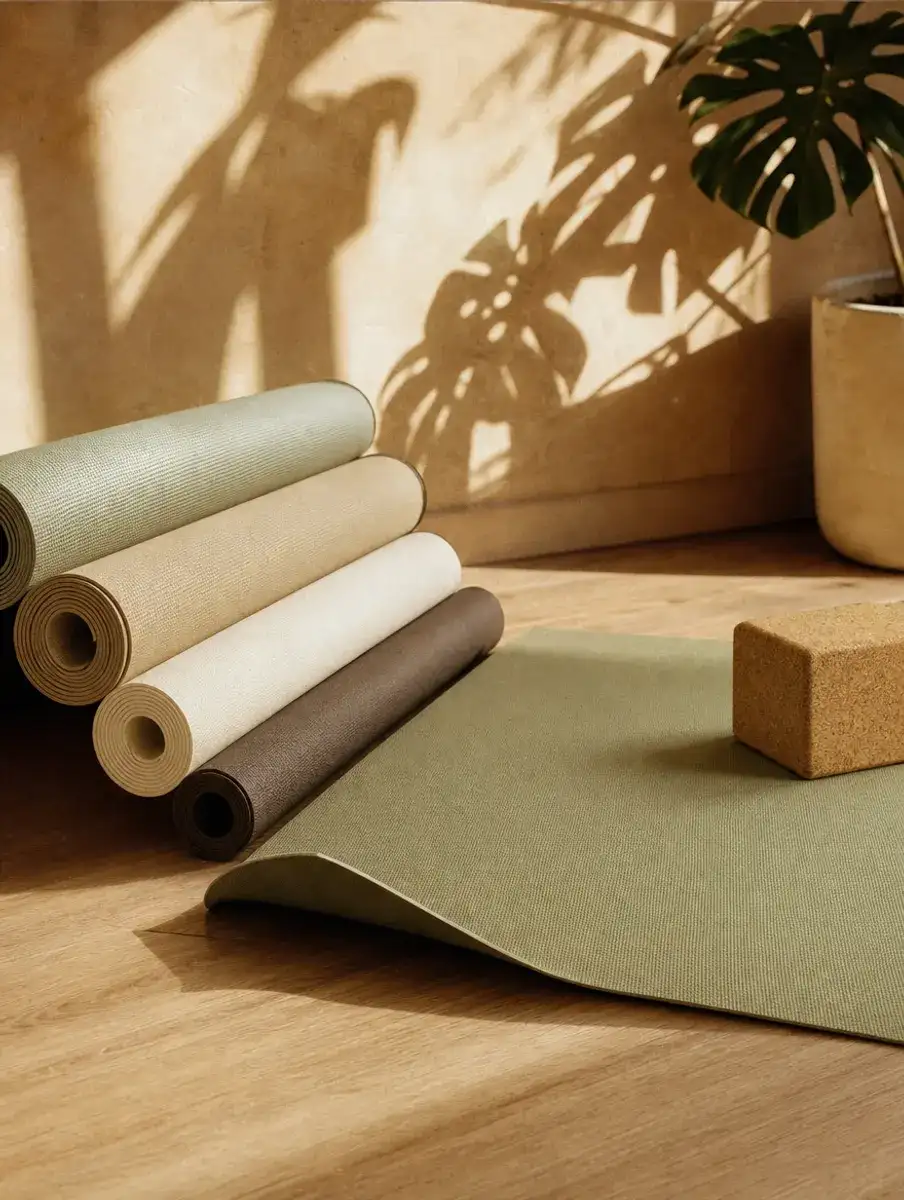
A good yoga mat for most people is 4 to 6 mm thick, long enough that your hands and feet both fit in Downward Dog, and grippy when your palms sweat. In the Philippines, foam and TPE mats start under PHP 1,000 at Decathlon and Toby's, while rubber, cork and PU mats cost more.
The right yoga mat is the one that keeps your hands from sliding, cushions your knees enough, and fits your body from fingertips to heels. Price matters less than those three things. Not sure which specs fit you? The yoga mat finder asks five questions and suggests a thickness, material and grip. Below is what to look for, then twelve mats sold by Philippine stores, with the specs exactly as each seller lists them.
YogaPhilippines.com has not handled these mats. The comparison uses published specs only, and the links are plain store links, not affiliate links.
What should you look for in a yoga mat?
Thickness. Most mats are 4 to 6 mm. Thinner mats feel steadier for standing balances; thicker ones are kinder to knees and wrists but can feel wobbly. An 8 mm mat suits gentle, floor-based practice. The guide to yoga mat size and thickness goes deeper.
Material. Foam (EVA, PE) and TPE are light and low cost. PVC is dense and durable. Natural rubber is heavy and grippy, and contains latex. Cork and polyurethane (PU) tops are popular for grip when damp.
Grip in humid weather. Philippine classrooms are often warm, and palms get damp in the first few rounds of Downward Dog. If you sweat a lot or plan to take a flow class, look for a rubber, PU or cork top. Several sellers below say their light-grip mats are not meant for dynamic styles, which is useful honesty. For heated classes, the hot yoga guide covers towels and other kit for a sweaty mat.
Length for tall people. Standard mats are about 172 to 185 cm. If you are taller than about 180 cm, look at the long versions: a 200 cm mat gives your hands and feet room in a long stance.
How much does a yoga mat cost in the Philippines?
As of October 2026, the mats below range from PHP 469 at Toby’s to PHP 11,850 at Certified Calm. Several Decathlon prices were markdowns when the pages were loaded and may go back up. Prices change, so check the store link.
Twelve yoga mats sold in the Philippines
Prices are the store’s listed price as of October 2026; each price links to its source page.
| Mat | Store | Thickness | Material (as stated) | Price |
|---|---|---|---|---|
| Elite Yoga Mat 4mm | Toby’s | 4 mm | Not stated | PHP 469 |
| Kimjaly Essential Yoga Mat | Decathlon | 4 mm | Ethylene butyl acrylate foam | PHP 730 |
| Domyos Beginner Yoga Mat | Decathlon | 5 mm | EVA and polyethylene blend | PHP 990 |
| Everlast 6mm Yoga Mat | Toby’s | 6 mm | TPE | PHP 1,485 |
| Kimjaly 8 mm Gentle Yoga Mat | Decathlon | 8 mm | PVC foam | PHP 1,490 |
| Kimjaly 5 mm Gentle Yoga Mat | Decathlon | 5 mm | EVA and polyethylene blend | PHP 1,590 |
| Kimjaly Yoga Mat Grip+ | Decathlon | 4 mm | Latex rubber base, PU top | PHP 2,590 |
| Kimjaly Cork Yoga Mat | Decathlon | 4 mm | Cork top, rubber foam base | PHP 3,590 |
| Manduka Begin 68” | Certified Calm | 5 mm | Latex free, closed cell | PHP 5,950 |
| Manduka eKO lite 4mm | Certified Calm | 4 mm | Natural tree rubber | PHP 6,550 |
| Manduka PROlite 71” | Certified Calm | 4.7 mm | PVC | PHP 9,450 |
| Manduka PRO 71” | Certified Calm | 6 mm | PVC | PHP 11,850 |
A few notes from the store pages. Decathlon says the Essential mat has light grip and is not suited to dynamic styles, and positions the 8 mm mat for gentle yoga. The Domyos Beginner page lists two different sets of dimensions, so confirm the size in store. The Grip+ is recommended by Decathlon for Vinyasa and Ashtanga, and contains latex. Manduka prices vary by colour; the eKO lite figure is for Charcoal, and Certified Calm notes the PRO may feel slick if you sweat and suggests a towel.
Which mats come in a long size?
As of October 2026, Decathlon lists a Kimjaly Light Yoga Mat XL, 200 x 75 cm, at PHP 1,790. Manduka’s eKO lite and PROlite come in a 200 cm long version, and the PRO comes in a 216 cm version listed at PHP 13,450 as of October 2026.
Which mat material suits which practice?
This table sums up how the common materials usually behave, based on how sellers describe them. Individual models differ, so read the store page too.
| Material | Grip when sweaty | Weight | Latex | Good for |
|---|---|---|---|---|
| Foam (EVA, PE) | Low to fair | Very light | Usually none | Gentle classes, stretching, a first mat |
| TPE | Fair | Light | Usually none | Beginners, carrying to class |
| PVC | Fair, can feel slick at first | Medium to heavy | None | Daily home practice, long life |
| Natural rubber | Good | Heavy | Yes | Flow classes, sweaty hands |
| PU top on rubber | Good when damp | Medium to heavy | Usually yes | Vinyasa, Ashtanga, warm rooms |
| Cork top | Good when damp | Medium | Depends on the base | Hot or humid rooms |
Open-cell or closed-cell: why it matters in a humid country
An open-cell mat soaks up a little moisture, which is part of why rubber and PU tops grip well when your palms sweat. The trade-off is that sweat goes into the mat as well as onto it, so it needs more regular cleaning and full drying. A closed-cell mat keeps sweat on the surface, wipes clean easily and resists smells, but can feel slippery until you add a towel. If you practise in an air-conditioned room, either works. In a warm room with a fan, many people find an open-cell or cork surface easier.
Storing a mat in a small condo
Humidity is hard on mats. Let the mat dry flat or hanging over a chair before rolling it, roll it with the top surface facing out so the edges lie flat, and store it upright in a corner rather than under the bed, where air does not move. Keep it out of direct sun by the window, which can dry out rubber and fade cork.
How often should you replace a yoga mat?
There is no fixed timetable. Replace a mat when the surface flakes or peels, when it stays slippery even after cleaning, when a smell will not wash out, or when the cushion has worn thin where your hands and knees land. A mat used daily in a hot room wears faster than one used twice a week in an air-conditioned studio.
What else helps once you have a mat?
A mat lasts longer with a wipe after each practice; see how to clean a yoga mat by material. A bag for your mat helps if you commute to class, and blocks and straps make many poses easier on day one, while a stability ball adds variety at home. If you are just starting, the yoga for beginners guide covers what else you need, and the studio directory can point you to a class nearby.
Put it into practice with the mat finder and the hot yoga preparation planner, built on pages like this one.
Browse all gear guides.
Sources: Mayo Clinic, Fitness program: 5 steps to get started; NCCIH (US National Institutes of Health), Yoga: Effectiveness and Safety; NHS, Exercise in pregnancy; CDC, Pregnant & Postpartum Activity: An Overview; Canadian Family Physician (Chan et al., 2014), via PubMed Central, Hot yoga and pregnancy: Fitness and hyperthermia. Last reviewed 2 October 2026.
Questions
Is a cheap yoga mat good enough to start with?
For many beginners, yes. A budget foam mat is fine for a gentle class or home practice a few times a week. It tends to wear faster and grip less once your hands sweat, so people who move into faster styles often upgrade later.
Which yoga mat material grips best when your hands sweat?
Sellers usually point to natural rubber, polyurethane tops and cork for grip in humid or sweaty conditions. Closed-cell PVC mats can feel slick at first, and some makers suggest a towel on top. Read each store's own description, since grip varies by model.
Should someone with a latex allergy avoid rubber yoga mats?
Natural rubber and many PU top mats contain latex, so check the material line on the store page first. PVC, TPE and most foam mats are listed as latex free by their sellers. When in doubt, ask the store before you buy.
What thickness of yoga mat is best for beginners?
For most beginners a mat of about 4 to 6 mm is a good middle ground: enough cushion for the knees, firm enough to feel steady in standing poses. Thin mats of around 1.5 to 3 mm are light for travel but hard on the knees, while very thick, soft mats can make balancing poses feel wobbly.
How do you clean a yoga mat in humid weather?
Wipe it down after sweaty sessions with a damp cloth and a little mild soap, or a cleaner suited to the material, then let it dry fully in the shade before rolling it up. Rolling a damp mat in humid weather invites mildew and smells. Keep rubber, cork and PU mats out of strong sun, which can break the surface down.
Can you use an exercise mat for yoga?
For floor work such as stretching and core exercises, a gym or exercise mat is fine. Thick foam exercise mats are often too soft and slippery for standing poses and balances, though, because your feet sink and slide. A yoga mat is thinner, firmer and grippier, which helps you stay steady.
Keep reading
Your yoga calendar
We track every yoga event, workshop and pop-up class so you don't have to.
Updated